

Giant Lion's Mane Jellyfish With 40ft Tentacles Spotted in Wales
Swimmer Iestyn Morgan filmed a massive lion's mane jellyfish near Trefin Beach in Pembrokeshire, highlighting its unseen length and sting risks.

Stock photo for illustration only, not from the actual event
- Iestyn Morgan filmed a massive lion's mane jellyfish off the coast of Wales
- Tentacles can stretch beyond 30 to 36.5 meters, making them among the longest animals
- Marine biologist Dr. Cathy Lucas warns against touching and shares safety tips
Iestyn Morgan, who aims to raise awareness about ocean threats, has captured footage of a giant lion's mane jellyfish while swimming near Trefin Beach in Pembrokeshire, Wales. Initially mistaking it for a compass jellyfish—a species native to UK waters—he quickly realized the creature was far too large to be anything ordinary, noticing numerous tentacles multiplying rapidly in the water.
Morgan recalled that what started as three tentacles soon turned into 10, and then 20, keeping on coming until they stretched far beyond the range of visibility. The lion's mane jellyfish gets its distinctive name from its long, flowing tentacles that ripple through the water like a massive mane.
While the body of the jellyfish can grow up to 3 meters in length, their specialized tentacles used for catching prey can exceed 30 to 36.5 meters, establishing them as one of the longest animals on Earth. Dr. Cathy Lucas, a marine biologist from the University of Southampton, noted that Morgan's video perfectly captures the animal's incredible length.
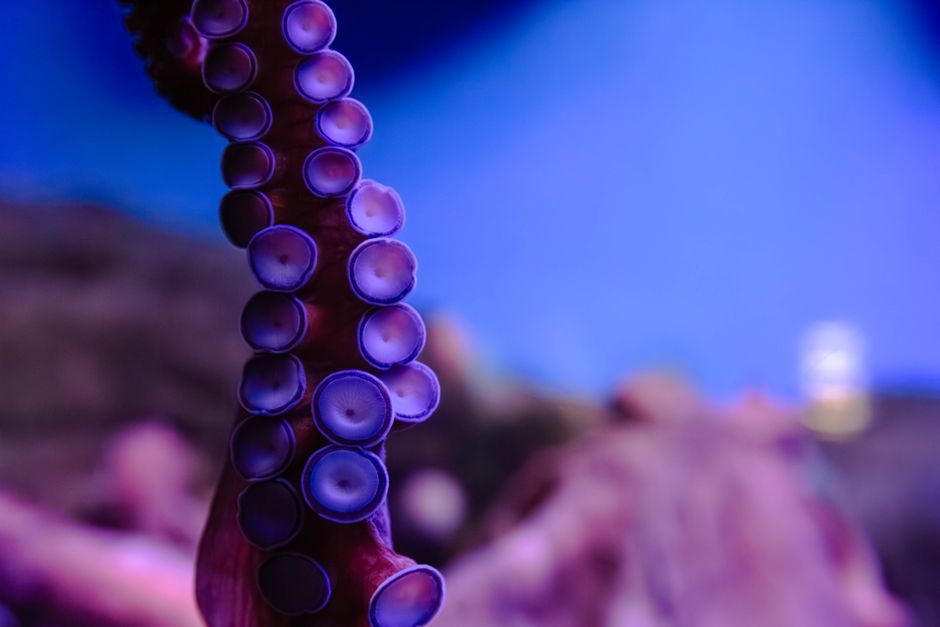
Stock photo for illustration only, not from the actual event
"The tentacles are so long and so fine you might not even see them."
Dr. Lucas explained that during fieldwork in Scotland, divers would sometimes find bits of fine tentacles on themselves even when no jellyfish were visible nearby. Her primary advice is strictly not to touch them; if a piece of tentacle attaches to the skin, it should be flicked off using a stick and washed with warm water to neutralize the sting. Meanwhile, Morgan observed an increasing abundance of warm-water species entering Welsh waters during his filming sessions.
The increasing sightings of large marine species in coastal regions highlight ongoing shifts in marine ecosystems and water temperatures. Monitoring these patterns provides crucial insights into how ocean habitats are changing and how beachgoers can safely coexist with local wildlife.
Despite the potential hazards, Morgan emphasized that his project is rooted in respect for marine life, stating that he simply enters the water to film and swim without ever wanting to harm the animals.
Source: BBC Science & Environment
Found something wrong in this article? Report an issue with this article
Comments
Leave a Comment