

UK North Sea energy report suggests 111 projects unlock
Offshore Energies UK reports that the UK could unlock 111 new oil and gas projects, attracting £50bn in investments, if the government adjusts windfall taxes and supports domestic production.
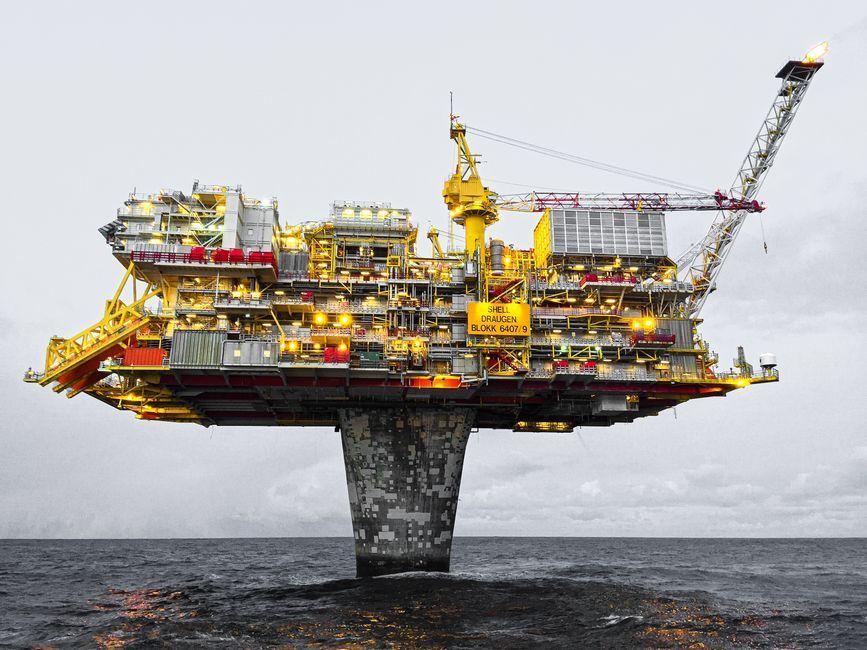
Stock photo for illustration only, not from the actual event
- OEUK claims North Sea sector could unlock 111 new oil and gas projects
- Investments could reach £50bn while reducing reliance on foreign imports
- Industry calls for the removal of the current windfall tax by next January
- Labour government maintains exploration ban while planning transition support
A recent report published by Offshore Energies UK (OEUK) indicates that the United Kingdom could supply half of its oil and gas requirements domestically without relying on imports, provided the government increases its backing for the sector.
According to OEUK, implementing reforms to the Energy Profits Levy (EPL) and granting approvals for contested fields like Rosebank and Jackdaw could unlock a total of 111 projects, securing up to £50bn in capital investments.
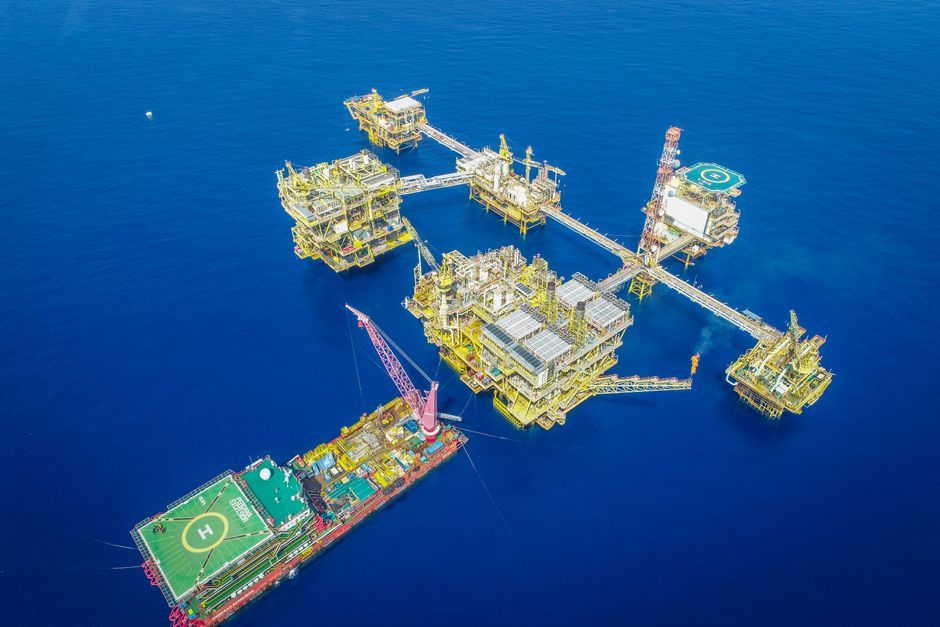
Stock photo for illustration only, not from the actual event
Production levels in the North Sea have experienced a steady decline, with long-term projections estimating that domestic resources will satisfy only about a third of total demand up until 2050. Meanwhile, import volumes have risen, and last year marked the first time since North Sea operations began that not a single exploration well was drilled.
The industry association has strongly urged policymakers to scrap the Energy Profits Levy, a windfall tax originally scheduled for replacement in 2030, by January of next year. Producers argue the levy continues to dampen investment appetite even during periods when wholesale commodity prices drop.
"Britain is at a critical juncture. Our industry is ready to invest and deliver more homegrown oil and gas, but the window for action is narrowing."
Enrique Cornejo, Policy Director
The ongoing debate over North Sea energy highlights the delicate balance between ensuring short-term national energy security and meeting long-term net-zero carbon targets. While industry advocates argue domestic extraction shields households from global price shocks, environmental campaigners maintain that continued fossil fuel expansion undermines international climate commitments.
Conversely, environmental campaigners such as Tessa Khan argue that new drilling initiatives will fail to lower household utility bills or significantly enhance long-term energy security, noting that much of the remaining domestic extraction is exported to international markets.
Source: BBC Science & Environment
Found something wrong in this article? Report an issue with this article
Comments
Leave a Comment