

Volvo upgrades 2028 XC60 and XC90 plug-in batteries
Volvo is upgrading battery capacities and adding built-in Gemini infotainment systems for the refreshed 2028 XC60 and XC90 plug-in hybrid models.
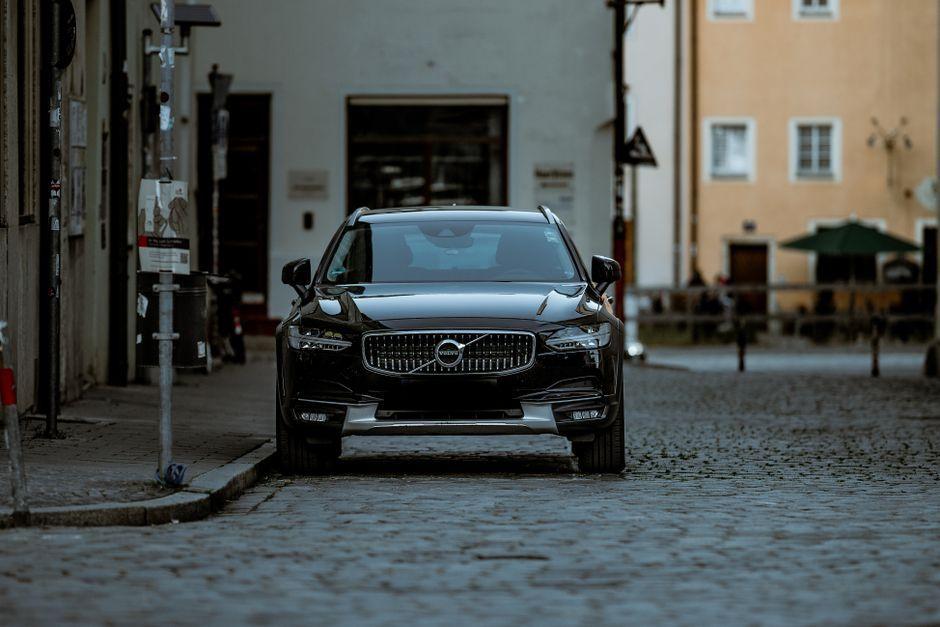
Stock photo for illustration only, not from the actual event
- Volvo plans significant battery upgrades for refreshed XC60 and XC90 models
- The updated plug-in hybrid vehicles are scheduled for release in 2028
- New infotainment systems will feature onboard Google Gemini integration
Volvo has announced comprehensive updates for its popular plug-in hybrid SUVs, the XC60 and XC90. The core enhancement centers on outfitting the refreshed vehicles with larger capacity batteries, aimed at extending electric-only driving range and improving overall efficiency as the automotive industry continues its gradual transition toward complete electrification.
Alongside the expanded battery packs, the Swedish automaker is integrating a brand-new infotainment system into both vehicle lines. This next-generation digital interface will feature Google's Gemini assistant built directly into the vehicle (Gemini onboard), promising a smarter, more responsive user experience for navigation, media control, and in-car digital services.
This strategic move to boost battery size while embedding advanced AI capabilities like Gemini highlights Volvo's balanced approach during the EV transition. While purely electric vehicles gain traction, many drivers still prefer plug-in hybrids for long-distance flexibility. Enhancing the electric range alongside conversational AI assistants like Gemini bridges the gap between traditional motoring and cutting-edge software-defined vehicles.
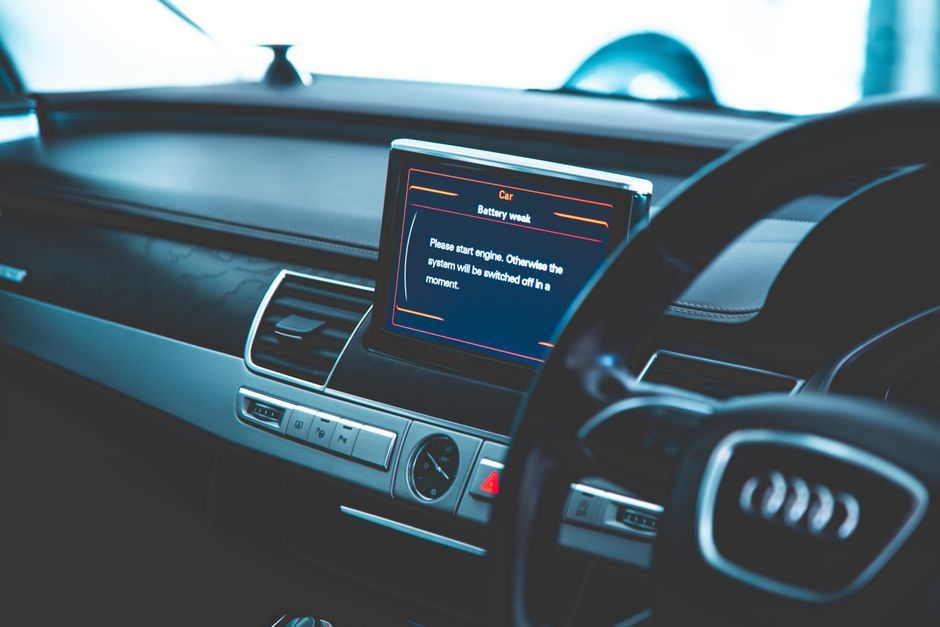
Stock photo for illustration only, not from the actual event
Refreshing these flagship premium SUVs with upgraded energy storage and advanced cabin intelligence positions the brand to maintain its competitive edge in the luxury market. Volvo aims to attract buyers who desire modern connectivity and eco-friendly performance without sacrificing the convenience of liquid fuel backup for extended road trips.
Source: Ars Technica
Found something wrong in this article? Report an issue with this article
Comments
Leave a Comment