

OpenAI, Anthropic and Google in AI Safety Talks
OpenAI global policy chief Chris Lehane confirms weeks of discussions with rivals Anthropic and Google DeepMind over frontier AI risks.

Stock photo for illustration only, not from the actual event
- OpenAI, Anthropic and Google have held AI safety talks for weeks
- Anthropic CEO Dario Amodei called for slowing the pace of frontier AI
- Chris Lehane states firms do not need a government antitrust waiver
- Sam Altman confirms OpenAI will embed third-party safety evaluators
Artificial intelligence giants OpenAI, Anthropic, and Google DeepMind have been engaged in discussions regarding AI safety for several weeks. Chris Lehane, OpenAI's global policy chief, shared the update with reporters, confirming ongoing collaboration as part of efforts with U.S. lawmakers to address catastrophic risks tied to advanced technology.
The disclosure follows an essay published by Anthropic CEO Dario Amodei, which urged the industry to cooperate in slowing down frontier AI development to prevent severe risks. Industry leaders including OpenAI's Sam Altman, Google's Demis Hassabis, and SpaceXAI's Elon Musk backed the call to action. Altman specifically noted that OpenAI would join Anthropic in embedding independent third-party evaluators to monitor safety metrics internally.
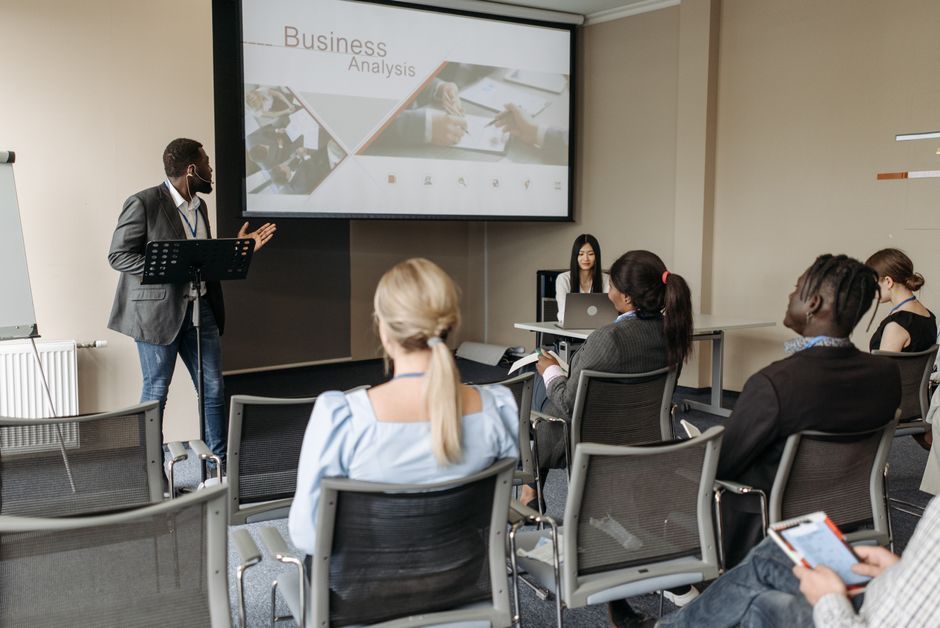
Stock photo for illustration only, not from the actual event
While executives like Altman previously acknowledged that such coordination could risk antitrust violations by potentially suppressing market competition, and Amodei proposed a narrow government waiver, Lehane asserted that the firms do not require one. Reports indicate the three companies have collaborated to establish an industry standards body, which Altman suggested could proceed without U.S. government backing.
The collaboration among top AI rivals highlights a rare moment of unity in addressing existential risks, balancing intense commercial rivalry with the necessity of safety guardrails. As regulatory approaches vary across political figures, establishing independent verification remains a crucial debate for the future of artificial intelligence governance.
Political friction remains a factor as U.S. President Donald Trump has dismissed safety concerns and pushed back against tighter regulations, arguing that throttling development would benefit China in the global tech race. David Sacks, a key AI advisor and industry investor, similarly argued that existential risks are overstated.
During the same meeting, Lehane announced that OpenAI supports a provision within the FRONTIER Act requiring top AI labs to permit independent verification organizations inside their operations to ensure safe model development.
Source: TechCrunch
Found something wrong in this article? Report an issue with this article
Comments
Leave a Comment