

5 Matcha Brewing Mistakes Making Expensive Green Tea Bitter and Flat
Discover common mistakes when brewing premium ceremonial grade matcha at home and how to unlock true umami flavors.
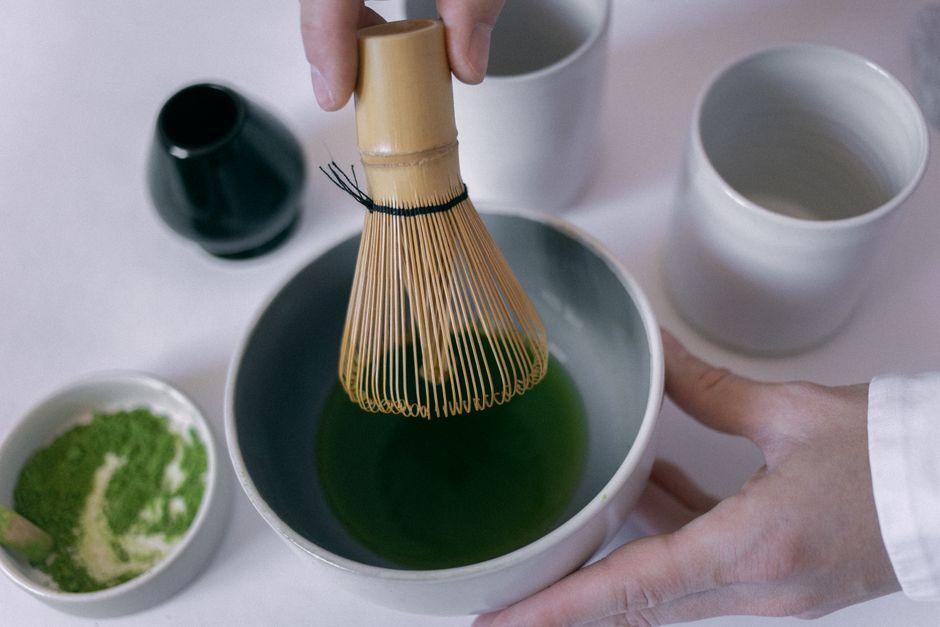
Stock photo for illustration only, not from the actual event
- Using boiling 100°C water destroys amino acids and increases bitterness
- Skipping sifting leads to stubborn clumps and uneven dissolving
- Poor storage exposes powder to light, heat, and humidity
- Eyeballing measurements results in inconsistent taste and strength
The popularity of matcha green tea in Thailand continues to grow steadily. Many people invest in premium or ceremonial grade matcha to brew at home, only to find the tea tastes overly bitter, astringent, and lacks a well-rounded aroma. In food science, matcha's unique flavor comes from an amino acid called L-Theanine, which provides umami and smoothness, balanced against catechins which provide bitterness. Proper brewing requires chemical balance, and mistakes can ruin expensive powder.
The most common mistake is using boiling 100°C water directly. Excessive heat destroys L-Theanine structures and accelerates the extraction of catechins and tannins, resulting in a harsh, bitter taste. The solution is to use water between 70°C and 80°C. If you lack a thermometer, let boiled water rest for 2 to 3 minutes before brewing.
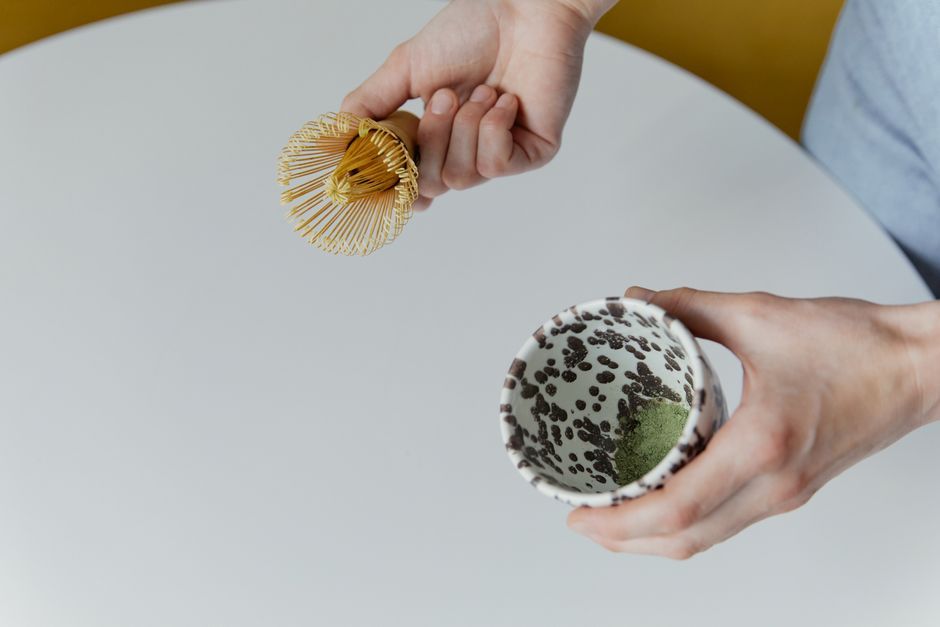
Stock photo for illustration only, not from the actual event
Another error is failing to sift the powder. Matcha is extremely fine and absorbs moisture easily, forming clumps. Pouring water without sifting leaves dry powder pockets inside. Additionally, stirring with a spoon in a circular motion like coffee fails to create the microfoam needed to release aromatic notes. Using a traditional bamboo whisk is essential.
Understanding the chemical components like L-Theanine and catechins highlights why water temperature is critical. These compounds react differently to heat, and boiling water instantly releases astringency that overpowers the smooth, delicate qualities of high-grade tea leaves.
Matcha is highly sensitive to light, heat, air, and humidity. Leaving bags open or in non-airtight containers causes oxidation, turning bright green powder into a dull brownish green, evaporating aromas, and leaving a dry, astringent taste. The solution is sealing containers tightly, storing them in opaque tins in the refrigerator, and consuming them within 1 to 2 months after opening.
Eyeballing measurements without a scale also causes inconsistency. Too much water dilutes umami, while too little makes it overly bitter, much like matcha lattes where excessive milk overpowers the tea. Recommended ratios include:
- Clear Matcha: 2 grams of matcha powder with 60–80 ml of hot water
- Matcha Latte: 3–4 grams of matcha powder, 30–40 ml of hot water, and 120–150 ml of milk or cold water
Finally, water and milk quality matter significantly. Tap water with chlorine or hard mineral water alters the tea's true flavor, while artificially flavored milks ruin its charm. Filtered neutral water and plain pasteurized fresh milk or barista oat milk are recommended.
Source: Thairath Lifestyle
Found something wrong in this article? Report an issue with this article
Comments
Leave a Comment