

Powerwall 2026: Studio RAP Creates 3D Ceramic Switchstation Facade
Studio RAP and Powerhouse Company integrate 322 unique 3D printed ceramic tiles into a 150 kV switchstation facade in Beverwijk, Netherlands.
Stock photo for illustration only, not from the actual event
- Powerwall forms a 40-square-meter ceramic 3D printed artwork on a high-voltage switchstation facade
- Designed by Studio RAP and Powerhouse Company for energy infrastructure operator TenneT
- Comprises 322 unique ceramic tiles produced using in-house robotic clay printing in Rotterdam
- Finished with a translucent turquoise glaze that interacts dynamically with changing sunlight
Architecture practice Studio RAP has teamed up with architectural group Powerhouse Company to craft a striking architectural intervention on a new 150 kV switchstation in Beverwijk, the Netherlands. Commissioned by energy infrastructure operator TenneT, the project is situated within an evolving urban area where industrial zones and commercial spaces are transitioning into a neighborhood featuring housing, workspaces, and public plazas connected to the waterfront.
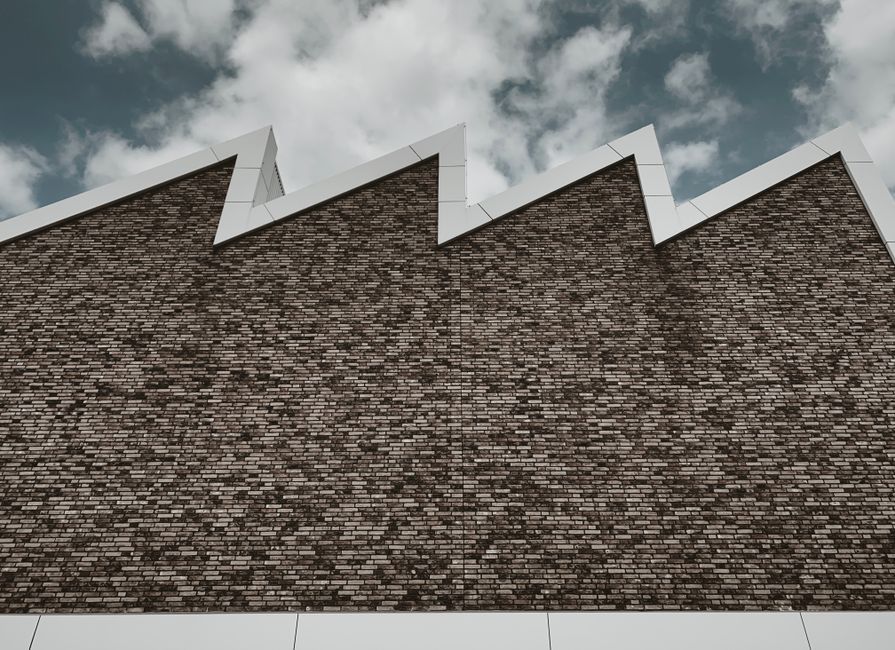
The switchstation building is structured into two distinct volumes to accommodate varying operational requirements. A taller brick volume houses the primary electrical equipment, while a lower metal volume addresses secondary functions. Sculptural metal lamellas wrap around the lower section, creating a fluid transition and casting shifting shadow patterns throughout the day.
Stock photo for illustration only, not from the actual event
At the center of the design is Powerwall, an expansive low-relief artwork integrated directly into the brick facade. The visual concept draws inspiration from the invisible electromagnetic fields generated by the heavy electrical machinery housed inside. Utilizing advanced computational design, Studio RAP engineered 322 distinct 3D printed ceramic tiles that assemble into an 8-by-5-meter relief surface, fabricated entirely within the studio's Rotterdam workshop using robotic clay technology.
"Powerwall translates the movement of electromagnetic fields into a continuous ceramic landscape of lines, folds, and changing depths."
Studio RAP
Following the firing process, the tiles were coated with a translucent turquoise glaze. This specialized glaze settles into the recessed grooves and folds of the relief, accentuating its intricate three-dimensional depth. As daylight shifts across the exterior, the illumination continuously alters the appearance of the ceramic surface, revealing varying lines and shadows from dawn to dusk.
The integration of algorithmic computational design with robotic fabrication in public utility architecture highlights a broader shift toward digital craftsmanship. By transforming raw technical infrastructure into a textured urban landmark, projects like Powerwall demonstrate how industrial facilities can successfully merge strict operational engineering with sophisticated architectural aesthetics.
Source: designboom
Found something wrong in this article? Report an issue with this article
Comments
Leave a Comment