

Why do people feel guilty calling in sick at work?
Research shows 33-50% of people in the UK work through illness. Experts examine the psychology and workplace culture behind presenteeism.

Stock photo for illustration only, not from the actual event
- Around 33% to 50% of people in the UK continue to work even when ill.
- Workers aged 16-24 took an average of 2.4 sick days last year, compared to 6.2 days for those aged 50-64.
- Toxic workplace cultures rewarding productivity over health fuel guilt and shame.
- Mental wellbeing must be treated with the same importance as physical health when taking time off.
You wake up feeling unwell, but your calendar is packed with critical meetings. What do your actions look like? If the answer involves dragging yourself into the office or logging into your computer, you share this habit with a vast number of workers. Research suggests that anywhere between a third to half of people in the UK continue working through illness—a phenomenon experts refer to as presenteeism. Your approach toward sickness absence reveals a significant amount about your individual personality and your workplace environment.
Data from the Office for National Statistics reinforces this perspective, noting that workers aged 16 to 24 took an average of 2.4 sick days last year, compared to 6.2 days for individuals aged 50 to 64. Sir Cary, who has advised the UK government on employment policies regarding this matter, explains that multiple factors drive this divide. Younger employees are more likely to occupy roles with limited job security, such as zero-hours contracts, and face lower probabilities of dealing with long-term health conditions or joint problems that typically trigger absences among older groups.

Stock photo for illustration only, not from the actual event
Sir Cary adds that younger generations maintain higher expectations regarding how employers should treat and safeguard their wellbeing. While older demographics perhaps displayed greater tolerance toward poor conditions, that endurance does not inherently equate to healthy practices. When deciding to take time off, younger workers appear more inclined to treat mental health as an integral component of overall wellness rather than something to simply push through. A diverse array of factors influences sickness absence behavior, as work ties closely to identity for many individuals.
Presenteeism not only jeopardizes long-term employee health through accumulated stress and inadequate recovery but also degrades overall productivity via cognitive fatigue and burnout. Understanding the psychological roots behind this behavior empowers organizations to reshape internal cultures, fostering psychological safety where staff can openly communicate health concerns without fear of negative repercussions.
Occupational psychologists identify this attachment as work centrality, linking it directly to higher engagement, commitment, and willingness to put in extra effort. When work forms the core of an individual's identity, absence can trigger temporary feelings of losing a part of oneself. Dr Audrey Tang, a psychologist writing on workplace wellbeing, notes that these individuals experience an intense psychological drive to keep showing up.
"In a healthy work environment, people should be able to have open and honest conversations about wellbeing and sick days."
Dr Tara Quinn-Cirillo
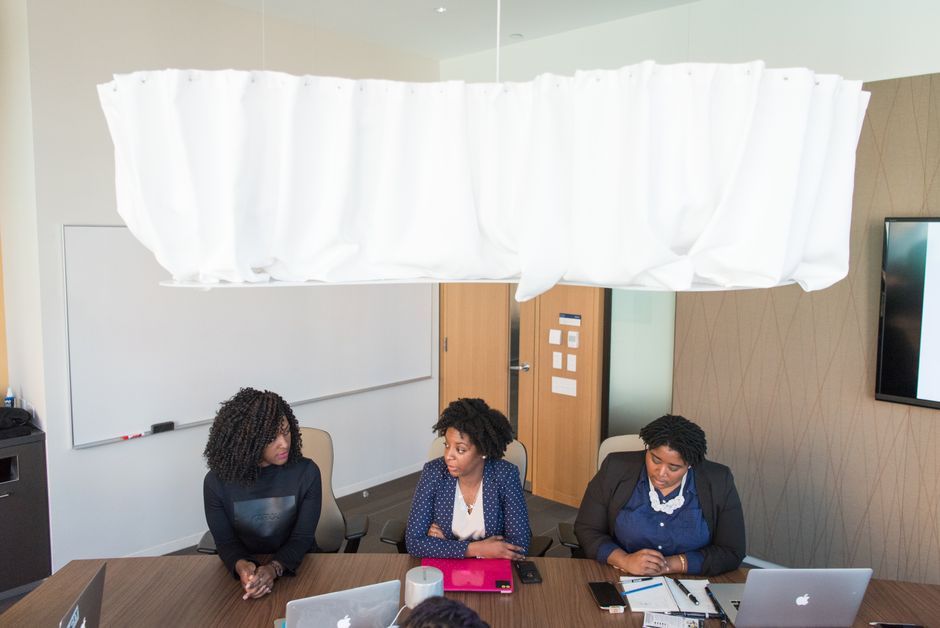
Stock photo for illustration only, not from the actual event
Dr Tang observes that professionals in care-oriented fields such as medicine, nursing, and education demonstrate a particularly strong inclination toward this mindset, often reporting they would prefer a physical accident just to gain a valid reason to stay home rather than taking a standard sick day. Meanwhile, other employees fear being labeled weak or lazy, with younger workers remaining particularly susceptible to such perceptions. Psychologist Dr Tara Quinn-Cirillo explains that workplace culture and behavior heavily influence a person's willingness to take sick leave.
When teams operate understaffed with minimal coverage, employees understand their absence directly increases workloads for colleagues. Dr Quinn-Cirillo points out that guilt and shame play prominent roles inside toxic organizations that prioritize output over health and wellbeing. Such cultures reward presenteeism, making staff internalize the message quickly whenever managers praise individuals for working through illness.
Source: BBC Health
Found something wrong in this article? Report an issue with this article
Comments
Leave a Comment