

Chasing Clouds 2026: MET Traces Two Centuries of Skywatching
The Metropolitan Museum of Art in New York presents Chasing Clouds from September 14, 2026, to February 28, 2027, tracing over two centuries of skywatching.
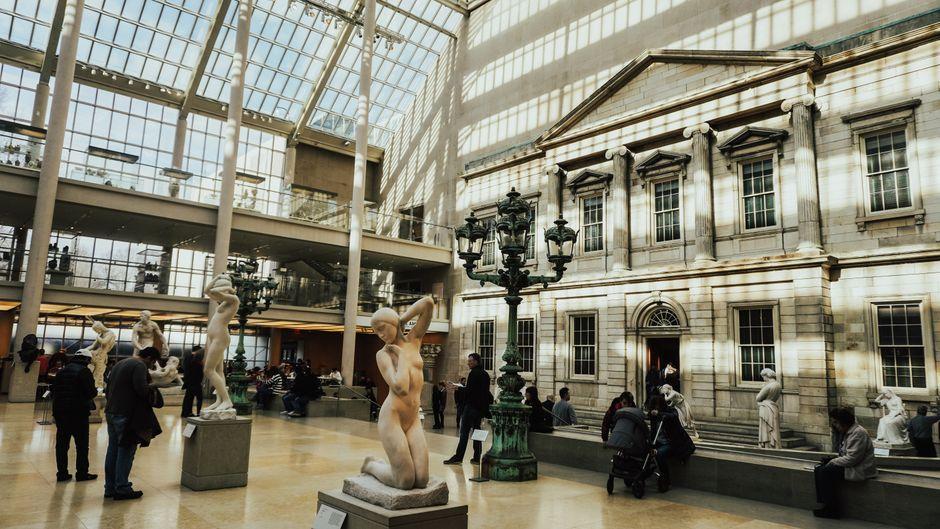
Stock photo for illustration only, not from the actual event
- The Metropolitan Museum of Art hosts Chasing Clouds, exploring over two centuries of skywatching history.
- The exhibition runs from September 14, 2026, to February 28, 2027, curated by Stephen C. Pinson.
- It traces the evolution from travelers' Claude mirrors to Alfred Stieglitz's groundbreaking Equivalents series.
- The show highlights how humans have transformed and captured the sky through art and instruments before the camera.
Long before the camera arrived, people were already finding ways to transform the world into an image before looking at it. A small blue-tinted mirror, on display as part of Chasing Clouds at The Metropolitan Museum of Art, once asked its user to do something novel. Instead of facing a landscape directly, the Claude mirror was held over the shoulder so the scenery behind became a miniature reflection. Its slightly convex surface compressed the view while its dark glass deepened the colors, a tool used by both artists and tourists alike.
Now open in New York, the ephemeral exhibition is curated by Stephen C. Pinson and follows more than a century of people looking upward. It ranges from plein air painters studying changing skies around 1800 to Alfred Stieglitz pointing his camera almost exclusively at clouds in the 1920s, exploring a subject so familiar it often disappears into the background.
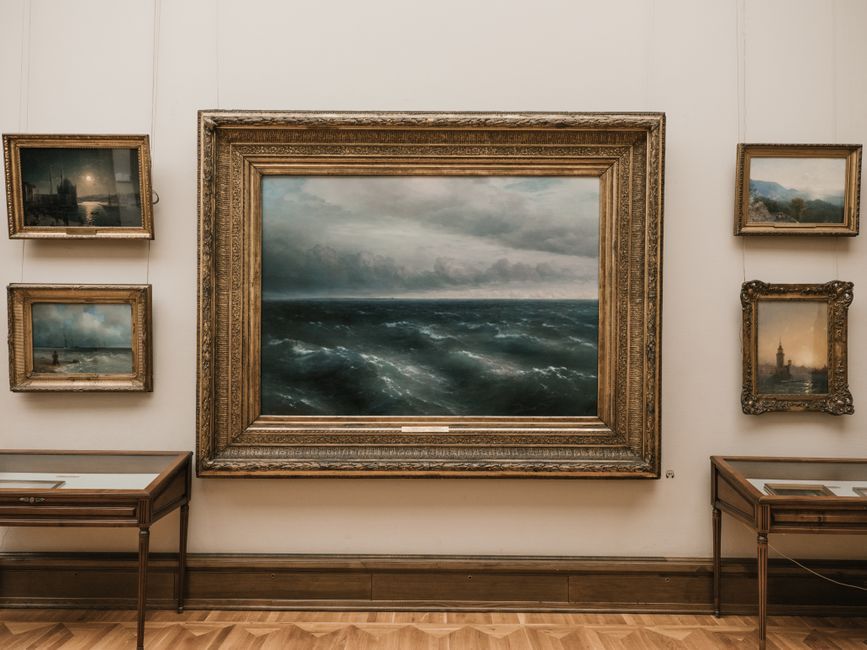
Stock photo for illustration only, not from the actual event
John Constable made looking into a practice of its own during the 1820s, repeatedly visiting Hampstead Heath in London to paint cloud studies under changing weather. He sometimes wrote conditions directly onto the work, calling the practice skying. Hampstead became a natural observatory, though the images retained the looseness of paint moving quickly across paper.
Stephen C. Pinson noted during a preview of Chasing Clouds at The Metropolitan Museum of Art:
"For him, the sky and the light in the sky was the most important part of the picture."
Constable was looking up at the same moment scientists were trying to organize what they saw. In 1802, Luke Howard proposed cloud classifications still familiar today, such as cumulus and cirrus. His ideas traveled far beyond meteorology; Goethe responded to Howard and circulated his work among artist friends, while clouds began appearing throughout Romantic poetry.
In art and science history, the early 19th century marked a pivotal shift where humans began systematically categorizing and recording nature. The simultaneous fascination with the sky among artists, scientists, and poets reflects a conceptual evolution viewing nature not merely as a background, but as a primary subject of study and deep contemplation.
Photography seemed to promise an easier answer by recording the world directly, but the sky quickly exposed its limits. Early photographic chemistry reacted poorly to blue light, meaning exposures capturing the land often wiped out the clouds above. Photographers experimented with various tricks, such as painting clouds directly onto negatives or letting the ground fall deep into shadow to preserve the sky.
Later, Stieglitz pointed his camera upward at Lake George in the 1920s and removed familiar cues of horizon or landscape, calling the series Equivalents. By then, photographic technology could capture the sky with ease, turning the cloud into a vehicle for something the camera could never record directly.
Chasing Clouds is on view at The Metropolitan Museum of Art in New York from September 14, 2026, to February 28, 2027.
Source: designboom
Found something wrong in this article? Report an issue with this article
Comments
Leave a Comment