

Google Home Adds MCP Support for Third-Party AI Agents
Google Home now integrates Model Context Protocol, allowing third-party AI agents like Claude and Open Claw to control smart home devices.
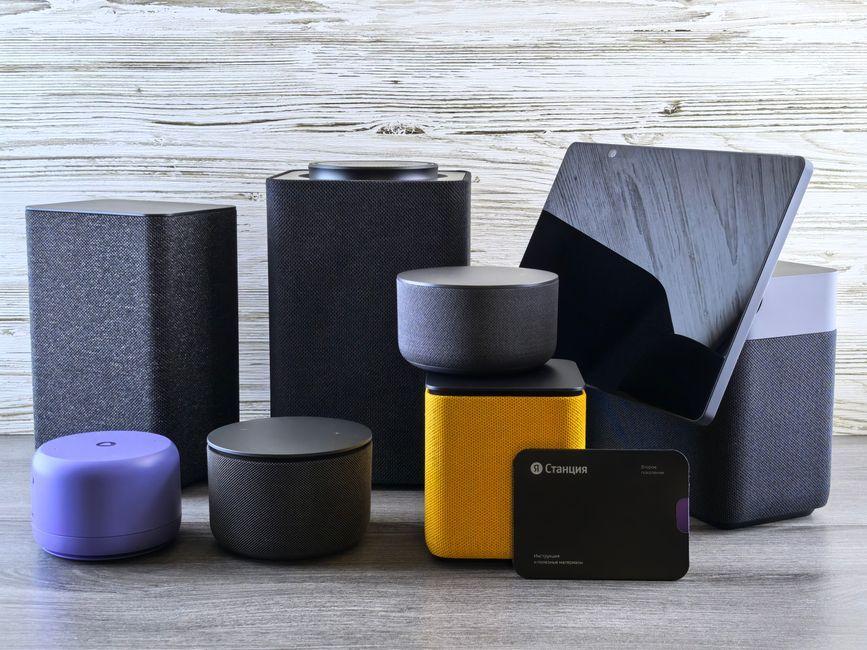
Stock photo for illustration only, not from the actual event
- Google Home has added Model Context Protocol (MCP) integration.
- Third-party AI agents like Claude and Open Claw can now access home data and control devices.
- Initial availability is rolled out to Google Home Premium Advanced users in the US.
Google is opening its smart home ecosystem to external artificial intelligence tools, allowing assistants like Claude and Open Claw to access connected devices and analyze home data through the standardized Model Context Protocol (MCP).
According to Taylor Lehman, group product manager at Google Home & Nest, the new Home MCP integration enables any supporting AI agent—including Google Antigravity, Claude, Hermes, and Open Claw—to securely interact with devices and event history within the Google Home ecosystem.
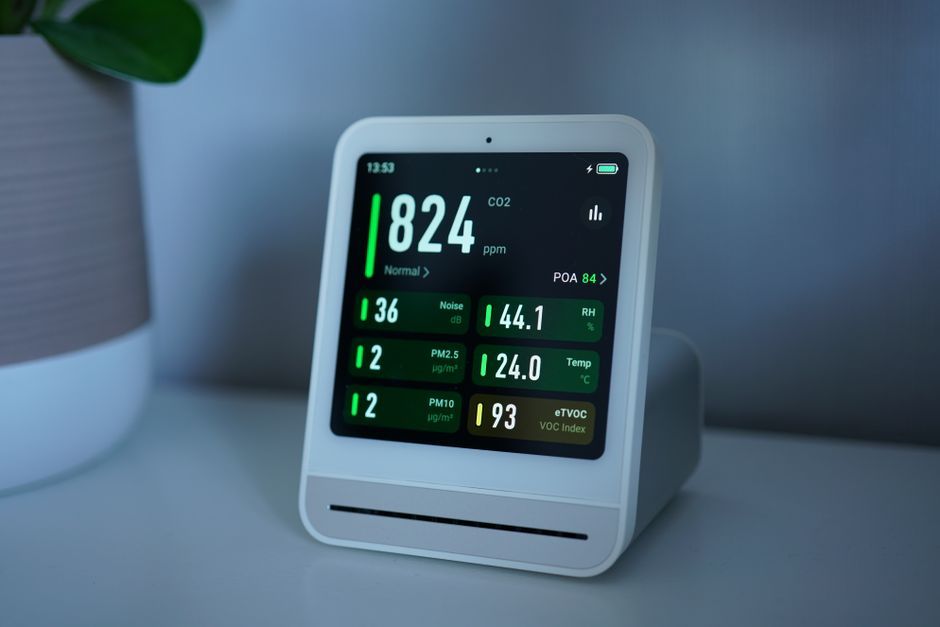
Stock photo for illustration only, not from the actual event
This integration connects user-chosen AI agents to real-world events, enabling advanced capabilities such as cross-camera analysis to check activities upon returning home, or reviewing device state history to calculate past appliance usage and lighting durations. Additionally, agents can interact via voice messages on Google Home speakers and build custom dashboards for device management.
Google's adoption of the Model Context Protocol represents a significant shift from proprietary smart home interfaces toward an open ecosystem where external AI tools can directly interoperate with hardware. While this unlocks powerful automation and personalized control using natural language, it also places greater emphasis on user configuration security and API safety guardrails.
This integration does not replace Gemini for Home, which remains the primary assistant interface through the Home app and smart speakers. Instead, MCP adds an extra layer allowing external AI models to interact directly with underlying hardware layers.
Key launch and availability details include:
- Available initially to Google Home Premium Advanced users in the United States.
- Pricing is set at $20 per month or $200 per year.
- Setup requires creating and configuring a dedicated Google Cloud project.
Regarding safety, Google implements rate limits and protective measures, such as blocking agents from unlocking doors. However, Lehman advises users to review developer policies and terms of service, noting that connecting certain third-party agents could result in unexpected or undesired behavior.
Source: The Verge
Found something wrong in this article? Report an issue with this article
Comments
Leave a Comment