

Sweden: A Century of Innovation and Human Capital Investment
Exploring Sweden's century-long success through the Drömlandet exhibition, highlighting education, public-private partnerships, and infrastructure foundation.
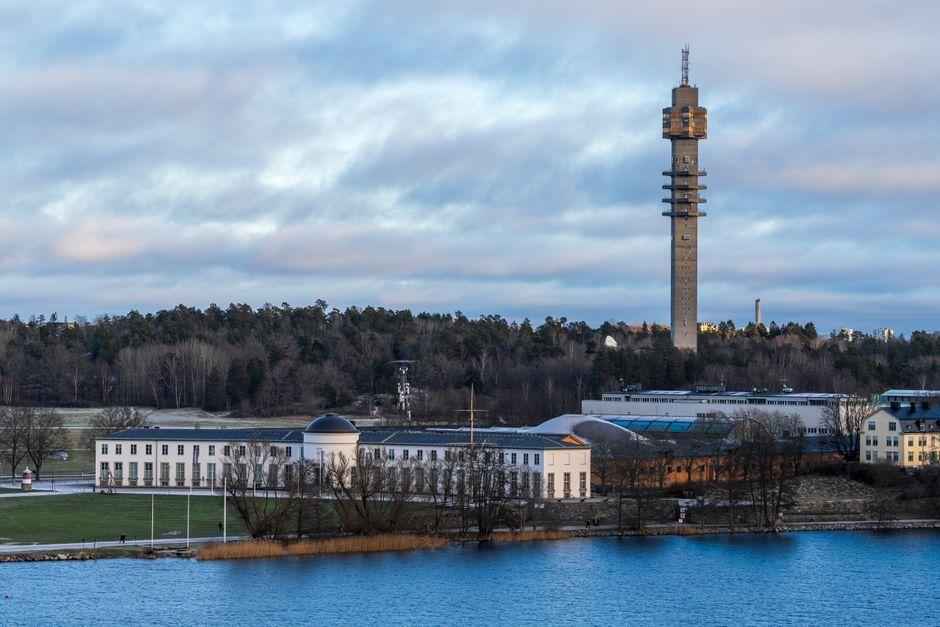
Stock photo for illustration only, not from the actual event
- Sweden has a population of 10 million but continuously builds global companies across eras.
- The Drömlandet exhibition at Tekniska Museet reveals the secret behind human capital investment.
- The Triple Helix collaboration between state, business, and universities forms a solid foundation.
- Digital infrastructure and skills were invested in long before tech companies flourished.
Sweden has a population of about 10 million, cold weather, and key resources like iron ore and timber. Yet, this small country continuously builds global companies, ranging from SKF, Electrolux, and ASEA—which later merged into ABB—to Spotify, Klarna, and Lovable in the AI era. The recurring question is how Sweden achieves this success time and time again.
Techsauce takes a look behind this continuous success through the Drömlandet exhibition at Tekniska Museet, which connects over 200 years of history with technological development, economic policy, and social change. The exhibition shows that Sweden did not build an innovation nation through technology alone, but by investing in people, fostering collaboration between the state, businesses, and universities, and laying down infrastructure before new tech companies were born.
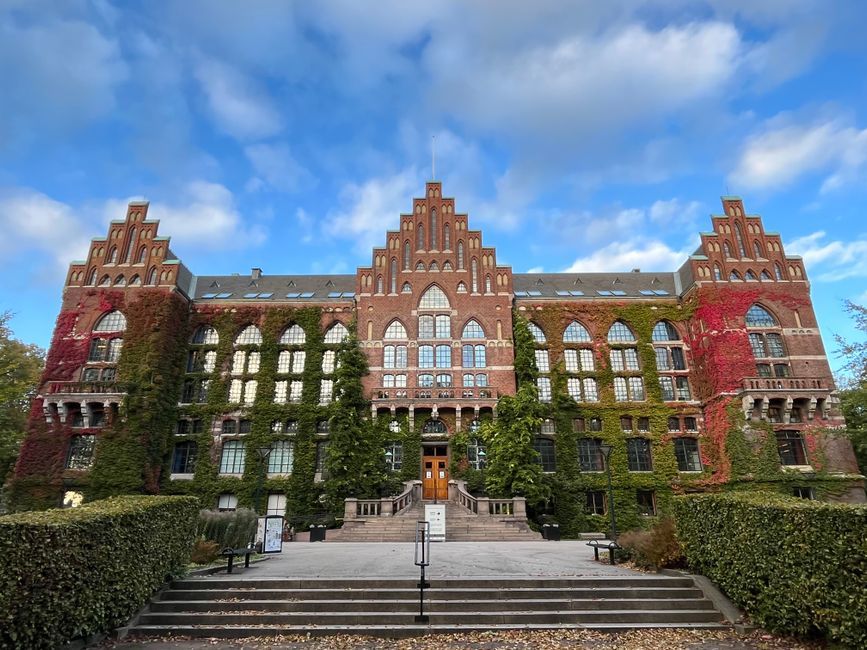
Stock photo for illustration only, not from the actual event
One concept the exhibition uses to explain industrial history is innovation industries. Companies in this group stem from technical inventions and engineering knowledge rather than relying solely on cheap labor or mass production, holding strong patents and turning research into marketable products that generate actual revenue. Therefore, when organizations talk about innovation, they must answer whether that knowledge is defensible, solves real user problems, and has a viable path to survival as a business.
In the early 20th century, Sweden faced labor conflicts and world wars, experiencing major strikes and an increasing demand for engineering goods that exposed a shortage of engineers. Sweden responded by aggressively investing in education, developing technical universities like KTH Royal Institute of Technology and Chalmers University of Technology, and establishing several engineering institutes. Tekniska Museet itself was founded between 1923 and 1924 amid a period when the country seriously prioritized technology and industry.
Another turning point occurred in 1938 when employers and labor unions signed the Saltsjöbaden Agreement to establish mechanisms for managing labor market conflicts. This agreement helped both sides resolve issues without heavy state control, shifting employers to view unions as assets rather than threats. Consequently, the state, businesses, and universities gained a long-term working space under the Triple Helix concept.
Sweden's national innovation strategy demonstrates that success stems not only from advanced technology but from a robust ecosystem, including favorable labor laws, accessible education, and pre-invested infrastructure. This serves as a vital lesson that technological development must grow alongside society and trust among all stakeholders.
Between the 1950s and 1970s, Sweden's economy grew significantly through continuous technological improvements alongside an educational system that enabled many workers to transition into engineers and the middle class. An exhibition story highlights postal engineering courses that allowed people far from universities to access learning. This reflects how a country can build an industrial golden age without constant groundbreaking discoveries, provided there are enough people to improve existing methods and solve problems step by step.
When the 1970s oil crisis hit, Sweden reassessed the state's role and deregulated several sectors while continuing to support technology through other means, such as the Home PC Reform enacted in 1998, which allowed employees to lease computers through employers with tax benefits, giving around one million Swedes home computers for the first time. In the early 2000s, the state invested in nationwide broadband infrastructure, allowing widespread access to computers and the internet before new digital services scaled up.
Source: Techsauce
Found something wrong in this article? Report an issue with this article
Comments
Leave a Comment