

UK Budget 2026: Unions push for tax threshold changes
UK trade unions meet Treasury officials to demand tax threshold reversals, higher taxes on tech giants, and increased public investment ahead of the Budget.
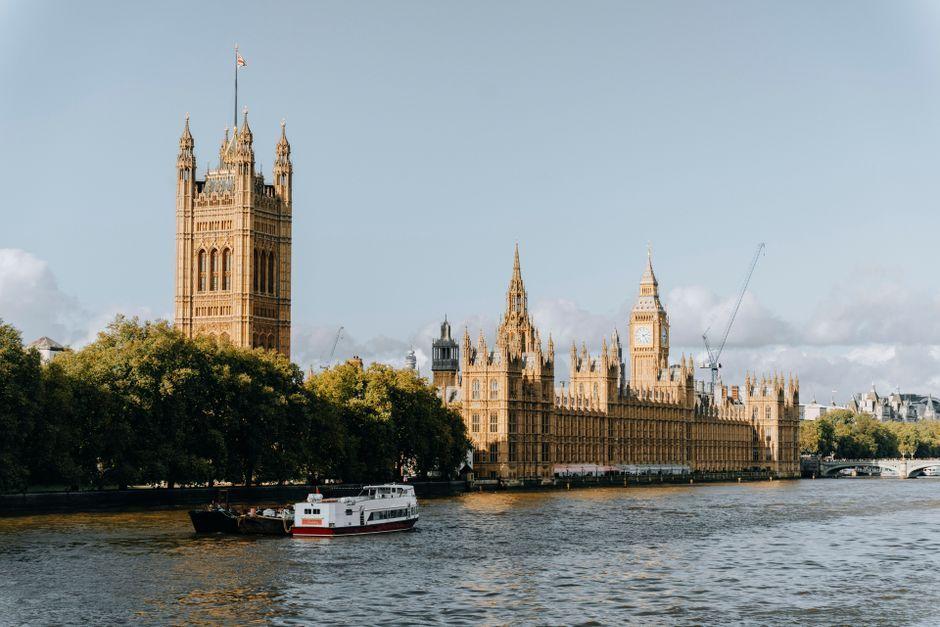
Stock photo for illustration only, not from the actual event
- UK trade unions meet John Healey to press policy demands ahead of next month's Budget.
- Unite calls for a reversal of the tax threshold freeze affecting low and middle earners.
- Unison urges higher taxes on large tech firms to fund green energy and public services.
- GMB and TUC demand structural changes to taxation and long-term investment rules.
Major UK trade unions affiliated with the Labour Party are holding high-level meetings with political figures including John Healey this week to push forward key policy demands ahead of next month's crucial government Budget announcement.
Unite, the country's second-largest union, has formally demanded the reversal of a policy that freezes tax thresholds, a measure originally put in place until 2031. Under the current rules, the basic income tax rate of 20% applies to earnings between £12,571 and £50,270, while the higher rate of 40% applies to those earning between £50,271 and £125,140. Unions argue that failing to uprate these thresholds with inflation drags lower-paid workers into taxation and pushes public sector workers, such as senior nurses and teachers, into higher tax brackets.
In addition to income tax thresholds, Unison, the largest union in the UK, is pressing the Treasury to increase taxes on major technology corporations. The union proposes using these revenues to finance public sector investments and accelerate the transition toward green energy, alongside commissioning a formal study on shifting the national tax burden from income toward wealth.
Meanwhile, the GMB union has urged the government to approve new oil and gas fields in the North Sea and provide confidence-building measures for the domestic construction industry. GMB leader Gary Smith highlighted that the country currently stockpiles half a million bricks—enough to build two towns the size of Kidderminster—while factories face mothballing due to sluggish housing development programmes.
"We must see things happen immediately. I told him that you have to make working class people believe their best days are in front of them."
Sharon Graham
This wave of coordinated union lobbying highlights the delicate political balancing act facing the Labour government. Crafting a budget that satisfies the demands of core working-class supporters while maintaining fiscal responsibility remains one of the administration's most significant challenges as it sets its long-term economic agenda.
Furthermore, Trades Union Congress (TUC) leader Paul Nowak has called for the reversal of bank tax surcharge reductions to generate approximately £9 billion for energy bill subsidies, while urging the Office for Budget Responsibility (OBR) to factor long-term capital investment value into its fiscal evaluations rather than focusing strictly on short-term balance sheets.
Source: BBC Politics
Found something wrong in this article? Report an issue with this article
Comments
Leave a Comment