

United Still Expects to Pass On 100% of Jet Fuel Costs
United Airlines CFO Michael Leskinen says the carrier expects to recover 100% of jet fuel costs by year-end, driven by strong premium demand.
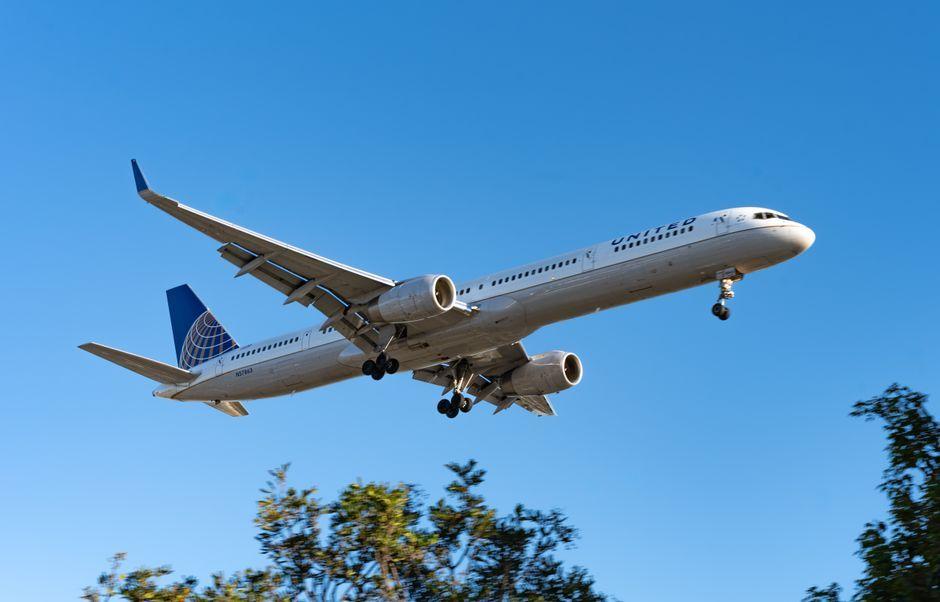
Stock photo for illustration only, not from the actual event
- United Airlines expects to fully recover higher jet fuel costs by the end of the year.
- A booking lag exists as roughly 35% of fourth-quarter tickets are already locked in.
- The carrier is leaning into premium travel trends with new lie-flat seats and Starlink Wi-Fi.
United Airlines remains confident in its ability to pass on 100% of soaring jet fuel costs to air travelers, banking on resilient consumer demand for premium seating and modern amenities. Despite sharp fluctuations in global fuel prices, airline executives maintain that sophisticated travelers with disposable income continue to support higher ticket prices.
Speaking at the Morgan Stanley Laguna investor conference on Wednesday, United Airlines Chief Financial Officer Michael Leskinen told attendees that the carrier still projects recovering all jet fuel expenses before the year concludes, despite recent price spikes in the energy markets.
Elaborating on the timeline, Leskinen noted that fuel prices escalated swiftly while roughly 35% of fourth-quarter tickets had already been purchased. Because those seats cannot be retroactively repriced, a natural operational lag occurs that financial analysts must account for in their valuation models. Nevertheless, he emphasized that no fundamental conditions have emerged to prevent the carrier from eventually passing on the full cost.
"Fuel prices have spiked pretty rapidly. We've got about 35% of our tickets booked already in the fourth quarter. So you can't go back and reprice those tickets... But there is nothing that is changing that causes us to not be able to pass."

Stock photo for illustration only, not from the actual event
Passing rising fuel expenses onto consumers through fare adjustments is a standard mechanism for legacy airlines facing commodity price volatility. However, executing this strategy successfully relies heavily on high-end market segmentation. By focusing heavily on premiumization—such as an extensive order of over 250 aircraft featuring lie-flat business class seats, expansion of A321XLR routes to secondary European destinations, and rolling out Starlink connectivity across 1,000 aircraft—United is positioning its network to capture high-yield travelers who are less sensitive to macroeconomic cost pressures.
In tandem with these fare strategies, major carriers like United and American Airlines are adopting disciplined capacity management, trimming marginally profitable routes, and projecting more conservative growth to counteract ongoing fuel cost pressures across the broader aviation industry.
Source: Skift
Found something wrong in this article? Report an issue with this article
Comments
Leave a Comment