

College lab class ends with 32 people on antibiotics for deadly germ exposure
Lab students were supposed to ID a mild germ, but they all identified a deadly pathogen instead.
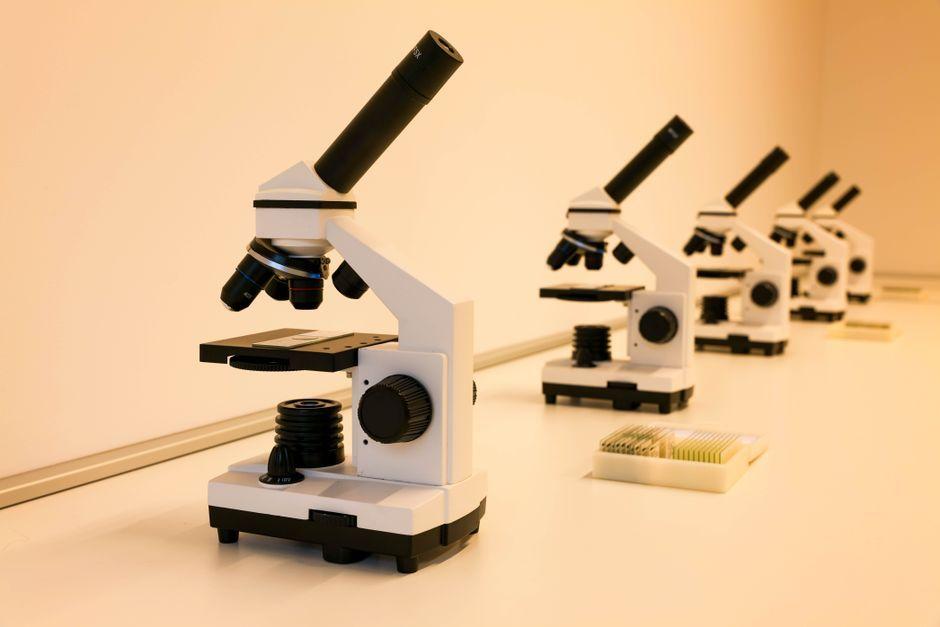
Stock photo for illustration only, not from the actual event
- A total of 32 people required antibiotics following a lab incident
- Students were given a routine microorganism identification task
- The target germ was originally expected to be a mild strain
- The samples were actually identified as a deadly pathogen
A routine educational laboratory session took an unexpected and alarming turn when a college class concluded with dozens of individuals requiring immediate medical intervention after being exposed to a dangerous germ.
The incident began when students in a college laboratory setting were tasked with examining and identifying a microbial specimen. The academic exercise was intended to focus on a mild, non-threatening germ as part of standard coursework.
Educational laboratories handle biological specimens under strict containment guidelines, yet accidental exposures or misidentifications can still occur. When teaching laboratories inadvertently encounter hazardous agents, immediate public health protocols, prophylactic treatments, and thorough investigations are typically triggered to ensure the safety of all participants and the surrounding community.
However, the findings took a hazardous twist when every student involved in the exercise ultimately identified the specimen not as a benign organism, but as a deadly pathogen.
As a direct result of the exposure during the class, a total of 32 people were placed on a regimen of antibiotics to prevent infection, highlighting a significant biosafety concern within the college laboratory environment.
Source: Ars Technica
Found something wrong in this article? Report an issue with this article
Comments
Leave a Comment