

MushLume Grows Bio-Design Objects at MADE: Bush Terminal
MushLume founder Danielle Trofe showcases sustainable mycelium and hemp lighting fixtures and acoustic panels in Sunset Park, Brooklyn.
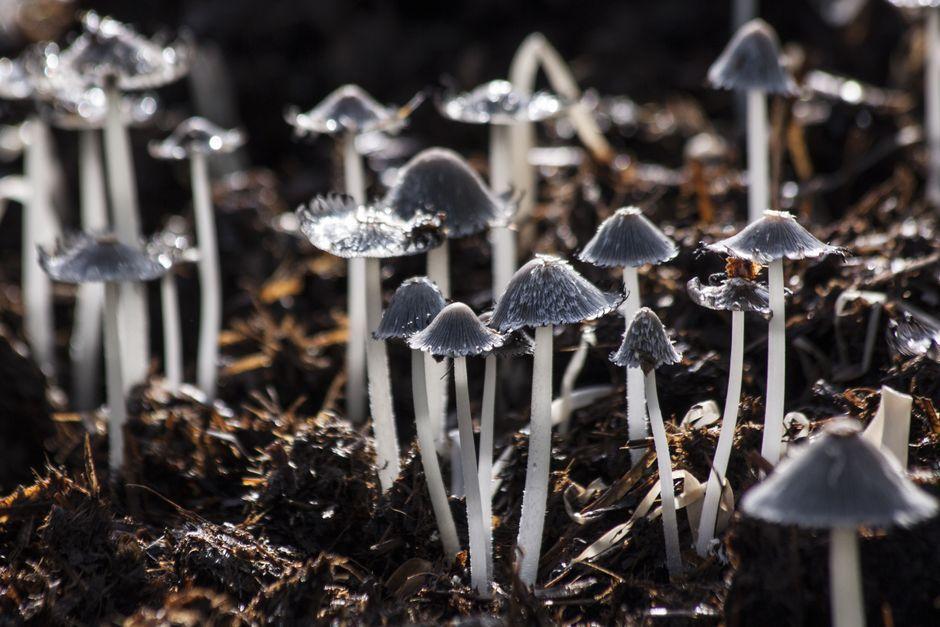
Stock photo for illustration only, not from the actual event
- MushLume establishes its new combined lab and production hub at MADE: Bush Terminal in Brooklyn.
- The studio upcycles agricultural hemp waste and living mycelium to grow eco-friendly design products.
- Custom lampshades are grown in controlled environments within just 7 to 10 days.
- The organic material achieves a Class A fire rating naturally without synthetic flame retardants.
MADE: Bush Terminal, a revitalized public landmark in New York City, has reopened its doors as a productive workspace designed to fuel local innovation and economic growth. Among the resident studios shaping this renewed hub is MushLume, a pioneering design practice combining a biofabrication laboratory and active production under one roof.
MushLume creates award-winning sustainable lighting and acoustic panels by cultivating living mycelium alongside agricultural hemp waste. Rather than merely copying visual forms from nature, the studio studies biological processes to build a collaborative approach that treats the natural world as a genuine partner rather than an extraction resource.
Stock photo for illustration only, not from the actual event
During the manufacturing workflow, the studio upcycles fiber hemp waste and binds it with living mushroom root networks. “We inoculate the substrate and pack it into custom molds that hold the shape of this loose, mulch-like material. Then, we create the conditions for the living organism to grow by controlling humidity, temperature, and light... Most of our lampshades are grown within 7 to 10 days,” explains founder Danielle Trofe.
“Instead of just single lamps, we are creating integrated acoustic lighting systems that feel like art on your wall while silently performing by adding light and sound absorption to the space.”
Danielle Trofe
The integration of mycelium and agricultural waste into commercial interior design represents a major shift toward circular biofabrication. By eliminating toxic synthetic binders and leveraging natural fire resistance, these organic materials offer architects viable low-carbon alternatives to plastics and metal composites.
The new laboratory space at MADE: Bush Terminal marks a pivotal chapter by consolidating research, cultivation, and manufacturing into a single facility. Situated in the vibrant Sunset Park maker community in South Brooklyn, the studio benefits from proximity to wood, metal, and digital fabricators, fostering cross-disciplinary collaboration and shared resources.
Source: designboom
Found something wrong in this article? Report an issue with this article
Comments
Leave a Comment