

FAA to Fix Air Traffic Control Shortage with $875M AI System
The FAA is launching SMART, an $875 million AI software program developed by Air Space Intelligence, starting in Washington, D.C.
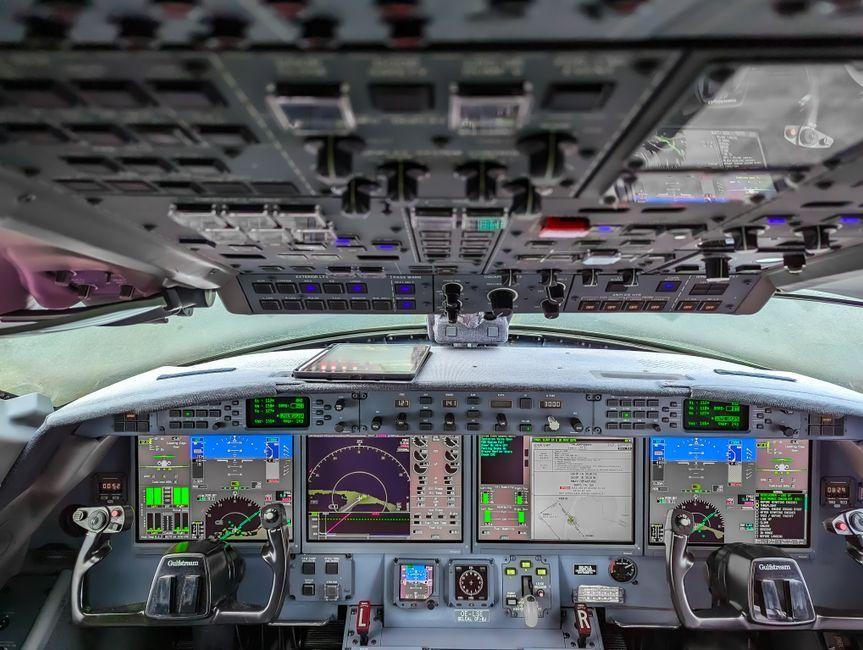
Stock photo for illustration only, not from the actual event
- The FAA has been struggling with a nationwide air traffic controller shortage.
- The agency is introducing an $875 million AI software program named SMART.
- The system was developed by Air Space Intelligence under a 12-year contract.
- Rollout will begin in the Washington, D.C. area before expanding nationwide.
The Federal Aviation Administration has been dealing with an ongoing shortage of air traffic controllers across the United States, creating mounting pressure on national aviation management. While the underlying causes behind the staffing shortage are diverse, the government has repeatedly signaled its intention to seek out innovative technological solutions to address the crisis.
One of those prospective solutions has now emerged as the agency prepares to deploy an $875 million artificial intelligence software program designed to assist air traffic controllers in managing complex workloads and navigating flight paths with enhanced safety.
According to reports from The Wall Street Journal, the FAA will soon roll out SMART, which stands for Strategic Management of Airspace, Routes, and Trajectories. This automated software program is engineered specifically to streamline air traffic operations.
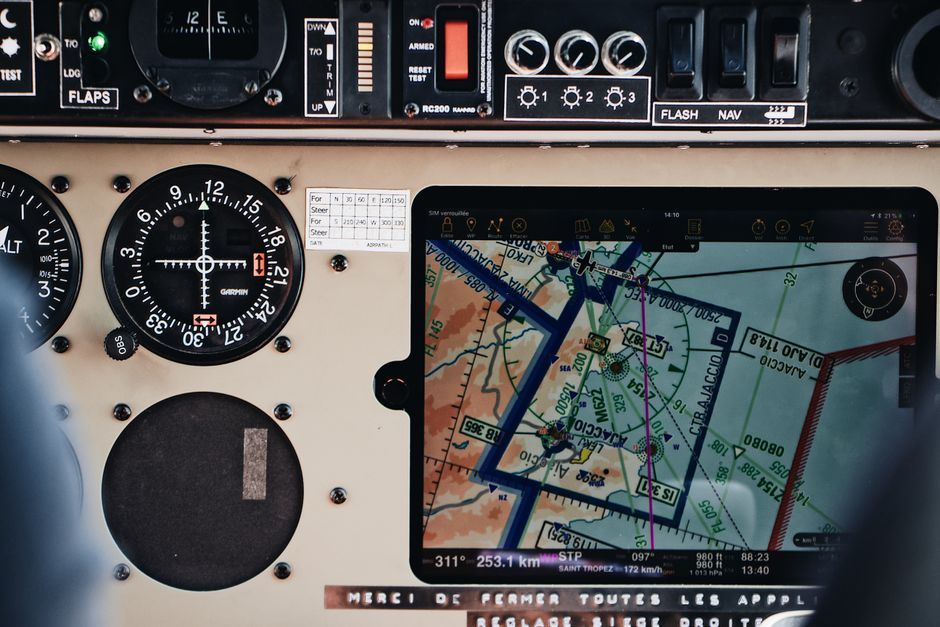
Stock photo for illustration only, not from the actual event
The SMART system is a product developed by Air Space Intelligence and will cost the government the aforementioned amount over a 12-year period. The software is scheduled to make its initial deployment in the Washington, D.C., metropolitan area before eventually expanding to other regions across the country.
Integrating advanced artificial intelligence into critical infrastructure like air traffic control highlights a major shift toward automated oversight in sectors facing severe human resource constraints. Systems capable of processing complex trajectory data in real time can significantly enhance decision-making speed and mitigate human fatigue risks.
Source: TechCrunch
Found something wrong in this article? Report an issue with this article
Comments
Leave a Comment