

Nikon Small World In Motion 2026: Microscopic Video
Ting Xu from Tsinghua University wins Nikon Small World In Motion with a 100x magnified video of cilia in a child with a rare genetic disease.

Stock photo for illustration only, not from the actual event
- Nikon's Small World In Motion competition welcomes global microscope videographers.
- The winning video shows 100x magnified cilia in a child's airways.
- Created by Dr. Ning Xu, a researcher at Tsinghua University in China.
- Runners-up featured roundworms, jellyfish larvae, and bioluminescent algae.
The hidden microscopic universe has once again captivated science enthusiasts through Nikon's annual Small World In Motion competition, which invites creators worldwide to showcase remarkable film and time-lapse footage captured entirely through a microscope lens.
This year's prestigious top prize was awarded to a stunning video magnified to 100 times its actual size. The footage reveals tiny hair-like structures known as cilia operating within the airways of a child diagnosed with a rare genetic disease, offering an extraordinary glimpse into human cellular biology.
The winning entry was submitted by Dr. Ning Xu, a researcher at Tsinghua University in China. To achieve such vibrant clarity, Dr. Xu utilized a series of complex light waves to illuminate different components of the biological sample in vivid color.
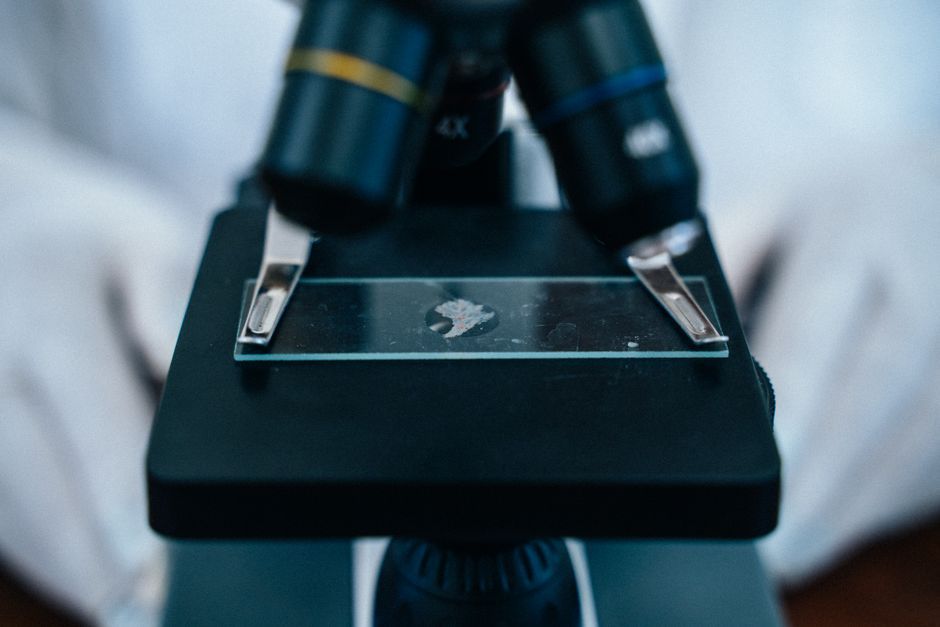
Stock photo for illustration only, not from the actual event
Beyond the main winner, the competition recognized several impressive runners-up and highly commended entries that highlighted Earth's diverse microscopic ecosystems, including:
- A roundworm encountering a single-celled organism
- Microscopic jellyfish larvae suspended delicately in water droplets
- Footage of bioluminescent algae and a miniature sea slug
Advanced microscopic imaging techniques, such as specialized light wave manipulation, play a crucial role in modern biomedical research. By allowing scientists to observe live cellular dynamics in high definition without altering the specimen, these methods bridge the gap between microscopic pathology and tangible medical breakthroughs for rare genetic conditions.
Source: BBC Science & Environment
Found something wrong in this article? Report an issue with this article
Comments
Leave a Comment