

IndiGo Keeps Low Fares, Raises Optional Service Fees
IndiGo raises fees for infant travel, excess baggage, and priority services under new CEO Willie Walsh to boost auxiliary revenues.

Stock photo for illustration only, not from the actual event
- IndiGo increased fees across multiple optional services without altering headline ticket prices.
- New CEO Willie Walsh leverages ancillary revenue to address recent financial losses.
- Ancillary revenue stands at 24.5 billion rupees compared to 219 billion rupees in ticket sales.
- Fee adjustments cover infant travel, excess baggage, and priority check-in options.
IndiGo, India's largest low-cost airline, has implemented fee increases across a variety of optional services as a strategic move to boost commercial revenue while preserving the low headline fares at its core. This transition unfolds during the tenure of newly installed CEO Willie Walsh, who took over in August following a period marked by operational challenges and leadership changes.
The adjustments touch several specific passenger services, bringing modest yet notable increases to travelers across the domestic network.
- Infant travel for children aged between three days and two years now costs 3,000 rupees, or approximately 31 dollars, up from 2,000 rupees or 21 dollars.
- Domestic excess baggage charges have risen to 800 rupees, about 8.3 dollars per kilogram, compared to the previous 700 rupees or 7.3 dollars.
- Fast Forward, the priority check-in and boarding service, is now priced at 650 rupees domestically, up from 450 rupees or 5 dollars.
- Unaccompanied minor charges are set at 5,999 rupees, while travel certificates cost 300 rupees.
While these individual increases appear modest on their own, they spotlight an essential commercial lever for the airline. IndiGo posted a net loss of 2.4 billion rupees for the first quarter of fiscal 2027, reversing a profit from the same period last year and making easy-to-pull revenue streams particularly attractive.
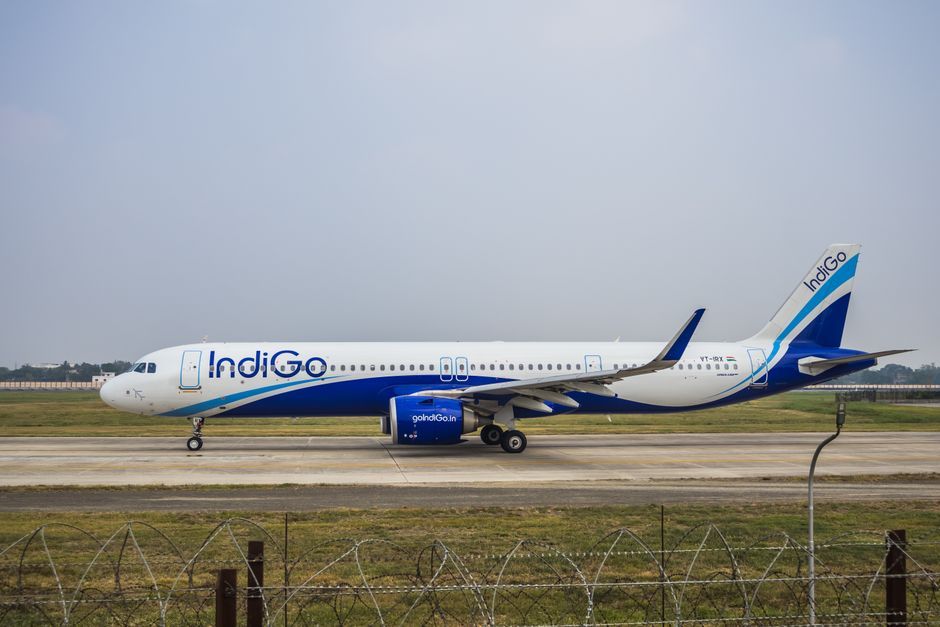
Stock photo for illustration only, not from the actual event
Ramping up optional fees instead of raising base ticket prices is a delicate balancing act for carriers operating in price-sensitive markets like India. While low-cost airlines globally rely heavily on ancillary streams to drive profitability, adapting these tactics requires a careful understanding of regional consumer behavior. Walsh must navigate how to expand these non-ticket revenues without alienating price-conscious passengers or diluting the carrier's core affordability promise.
"The commercial challenge for IndiGo is how much more it can monetize the passenger without making a low-cost airline feel less low-cost?"
Skift Advisory
Despite these increases, ancillary revenue remains relatively small compared to core ticket sales, suggesting significant headroom for future growth. However, because the Indian market possesses distinct characteristics, IndiGo cannot simply replicate the aggressive monetization models utilized by Western budget carriers such as Ryanair or Spirit.
Source: Skift
Found something wrong in this article? Report an issue with this article
Comments
Leave a Comment