

AirAsia Pushes Back on Rivals Taking Its Place in Malaysia
AirAsia Co-Founder Tony Fernandes dismisses reports that Malaysia's government discussed letting rivals absorb its domestic capacity, detailing cost-cutting measures amid rising fuel prices.
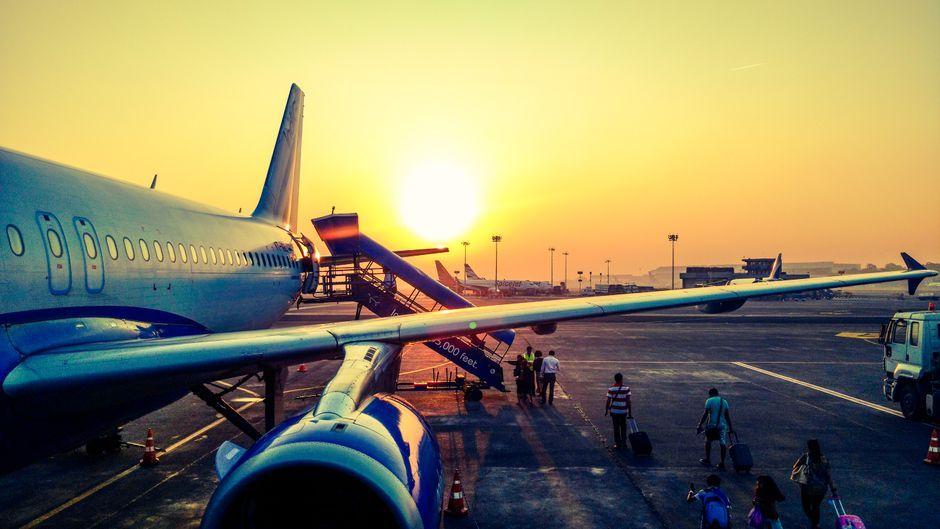
Stock photo for illustration only, not from the actual event
- Tony Fernandes dismissed rumors that Malaysia's government plans to let rivals take over its domestic routes.
- He argued that competitors cannot easily replicate AirAsia's unique cost structure and brand.
- The airline is cutting 81 routes and returning 25 aircraft early to cope with surging jet fuel prices.
- AirAsia continues strategic expansion via a codeshare with Pegasus Airlines linking Southeast Asia to Europe.
The aviation market in Southeast Asia is facing heightened tension as AirAsia defends its market dominance in Malaysia against mounting rumors. Reports recently surfaced suggesting that government officials were discussing whether rival airlines could step in and absorb the carrier's domestic capacity amid financial and operational hurdles.
These reports have placed AirAsia's competitive positioning under intense scrutiny from industry analysts and investors. As a carrier holding a massive share of the domestic Malaysian aviation market, any major shift in its capacity allocation could dramatically alter the region's low-cost airline landscape.

Stock photo for illustration only, not from the actual event
Addressing reporters and investors during a press conference in Bangkok, AirAsia Co-Founder Tony Fernandes firmly rejected the reports, labeling the claims as misinformation. He maintained an aggressive defense of the airline's operational stronghold.
"We are a unique brand … You can’t just step in"
Fernandes stressed that rivals lack the specific cost structure and operational model required to seamlessly absorb AirAsia's capacity. He acknowledged, however, that soaring jet fuel expenses driven by the ongoing conflict in Iran have created significant financial pressures for the company.
Surging jet fuel costs present a classic existential threat to budget airlines, where fuel usually represents the single largest variable operating expense. AirAsia's aggressive countermeasures—such as capacity trimming and fleet optimization—highlight the critical need for low-cost carriers to preserve liquidity rapidly during geopolitical energy shocks before long-term demand is permanently eroded.
To navigate the current macroeconomic pressures, the airline has initiated severe restructuring efforts. These steps involve suspending 81 routes—with 17 slated for reinstatement in the third and fourth quarters—returning 25 aircraft early to lessors, and deploying artificial intelligence solutions to drive internal efficiency.
Despite these extensive cuts, Fernandes downplayed the severity of the financial squeeze, noting that the current situation is far more manageable than the Covid-19 pandemic because passenger demand remains remarkably robust. Furthermore, AirAsia is pursuing long-term growth through international partnerships, such as a codeshare agreement with Turkey's Pegasus Airlines to bridge Southeast Asia and Europe through Istanbul, while confirming that no layoffs are planned.
Source: Skift
Found something wrong in this article? Report an issue with this article
Comments
Leave a Comment