

FBI and Coast Guard Board Hacked Oil Tankers
U.S. Coast Guard and FBI teams boarded the oil tanker VL Prosperity in the Gulf of Mexico after hackers compromised its navigation and propulsion systems.
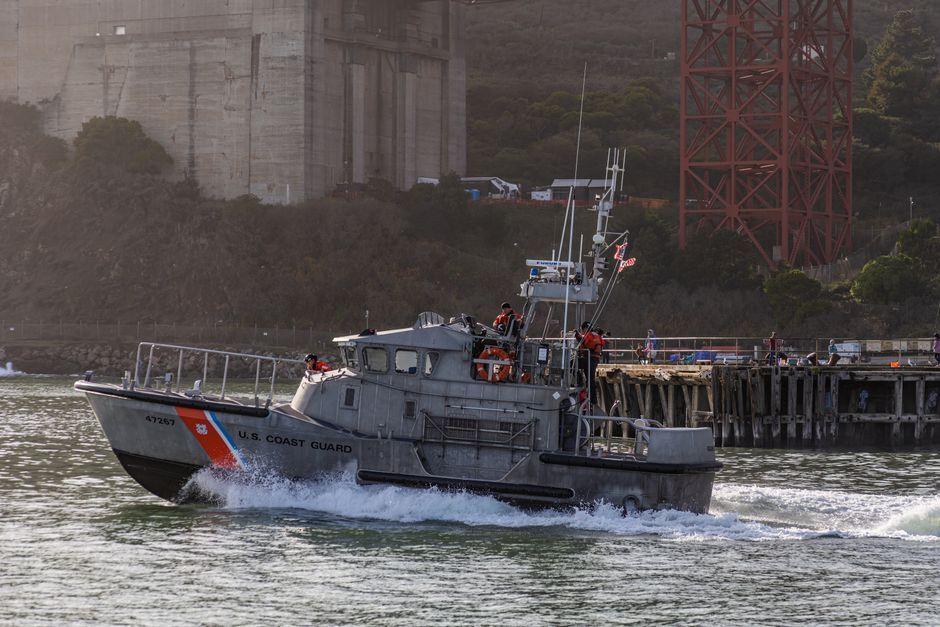
Stock photo for illustration only, not from the actual event
- FBI and U.S. Coast Guard boarded two oil tankers in the Gulf of Mexico
- Hackers compromised vessel navigation, propulsion, and cargo systems
- The 333-meter tanker VL Prosperity lost communications for over a day
- Authorities confirmed no operational disruptions or environmental impacts
Cybersecurity teams from the U.S. Coast Guard and the FBI boarded two U.S.-bound oil tankers last month after reports emerged that hackers had compromised at least one of the ship's networks and seized control of its navigation, propulsion, and cargo systems.
According to a joint statement shared with media outlets, the agencies boarded the vessels in the Gulf of Mexico between August 21 and August 24 to ensure the integrity of the vessels' operational and information technology systems following indications that their networks had been breached.
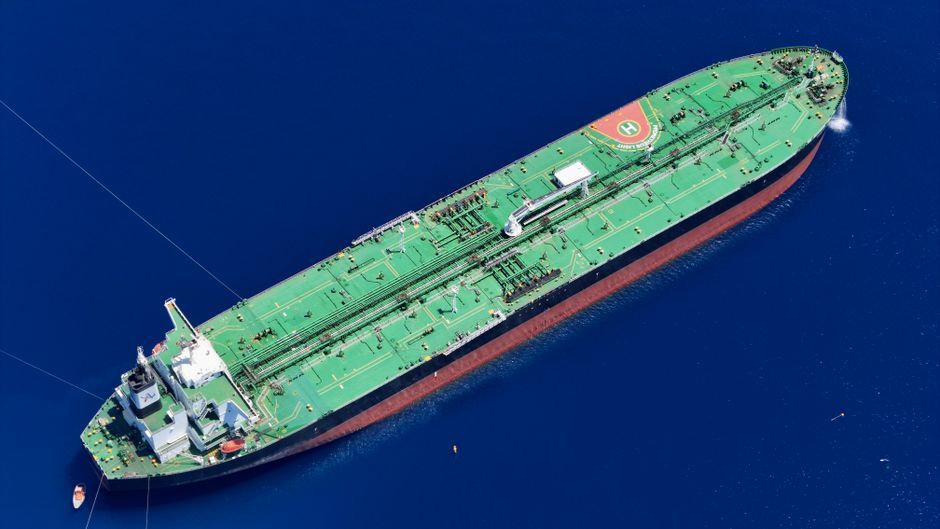
Stock photo for illustration only, not from the actual event
The Coast Guard released several photographs showing staff members and FBI agents climbing aboard one of the vessels. The statement noted that the captain, crew, and on-shore management staff of the vessel's owner fully cooperated with the law enforcement agencies.
This incident highlights how shipping vessels, oil tankers, and the broader global logistics network remain prime targets for malicious hackers. Tankers typically feature complex networks spanning the entire length of the vessel to assist with navigation, cargo organization, and the daily operation of services necessary to run a massive ship.
CBS News confirmed that one of the targeted vessels is the VL Prosperity, a 333-meter oil tanker capable of holding over 2 million barrels of oil. VesselFinder data indicates that the tanker is currently located in the Gulf of Mexico.
"No reports of operational disruptions, vessel instability, physical danger to crews, or environmental impacts."
Joint FBI-Coast Guard Statement
Citing Iranian media reports, CBS stated that hackers compromised the ship on August 7 while it was traveling from Egypt to the United States, interfering with the vessel's speed and fuel systems. The tanker also lost all communications for more than a day during the incident.
Cyberattacks targeting maritime logistics and oil tankers demonstrate the growing vulnerabilities within global critical infrastructure. As modern commercial vessels increasingly rely on automated digital networks for navigation and cargo operations, a successful cyber intrusion poses significant risks not only to the vessel itself but also to international maritime safety and energy supply chains.
Source: TechCrunch
Found something wrong in this article? Report an issue with this article
Comments
Leave a Comment