

Heathrow Net Zero 2026: Passenger Cuts May Be Needed
UK climate advisors warn Heathrow expansion clashes with net zero goals, raising the prospect of passenger demand management if green tech lags.
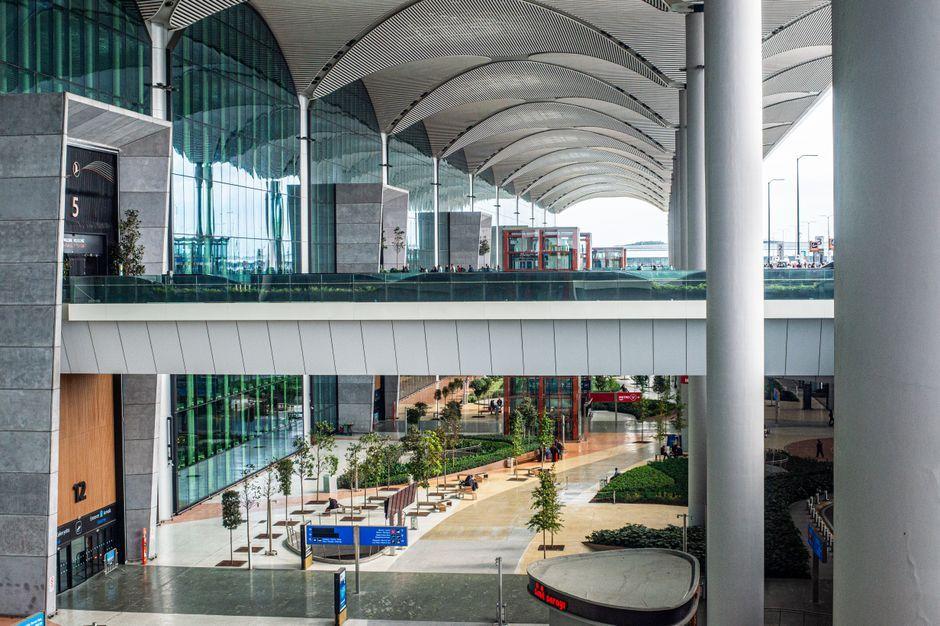
Stock photo for illustration only, not from the actual event
- Climate Change Committee warns Heathrow expansion clashes with net zero target
- Green tech scaling lags, cutting 2050 SAF share projection to 30%
- Frequent flyer levy emerges as an equitable alternative to blunt carbon taxes
- Airlines push back, warning new taxes harm competitiveness and investment
The United Kingdom's official climate advisors have warned the government that the proposed expansion of Heathrow Airport is fundamentally incompatible with the nation's climate targets. If emissions-reduction technologies fail to materialize in time, managing passenger demand may become the only viable option.
This warning was echoed by a coalition of UK climate experts, including the government's official advisory body, the Climate Change Committee (CCC), amid ongoing concerns over rising aviation emissions.
"Emissions from flying are projected to rise, even without Heathrow expansion, and the UK does not currently have a credible plan to bring them down. That poses a serious challenge to our climate commitments."
Nigel Topping CMG, Chair of the Climate Change Committee
Nigel Topping CMG, chair of the Climate Change Committee, stated that the Heathrow expansion is "not currently compatible with the UK’s Net Zero target," adding that the government must ensure the aviation industry takes full financial and operational responsibility for the emissions it generates.
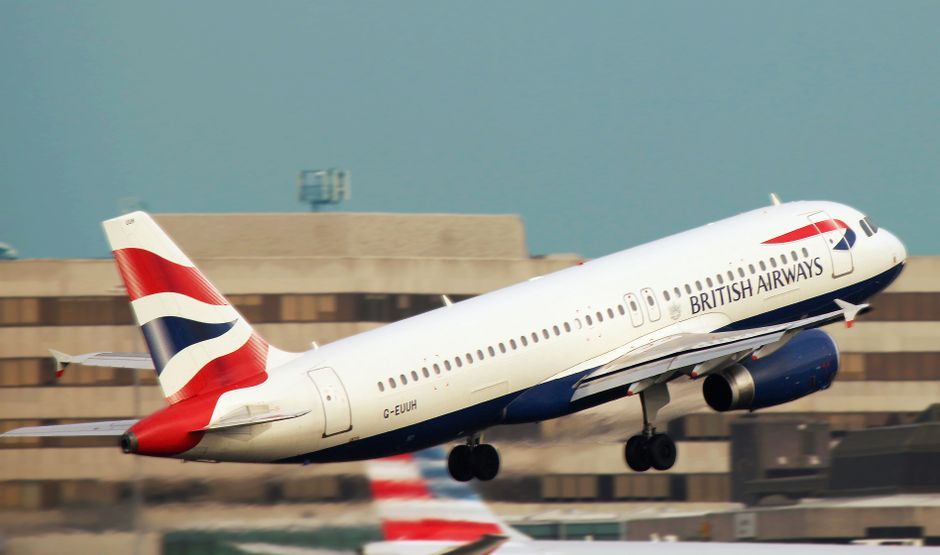
Stock photo for illustration only, not from the actual event
The debate over demand management highlights a critical friction point between aviation sector growth and binding climate commitments. With sustainable aviation fuel (SAF) and hydrogen technologies scaling slower than projected, regulatory focus is shifting toward demand-side constraints. While environmental advocates view this as an essential safeguard, industry stakeholders warn of severe economic repercussions for global connectivity and airline capital expenditures.
As the debate evolves, proposals such as a frequent flyer levy are gaining traction as a more equitable alternative to broad carbon taxes, targeting high-frequency flyers who disproportionately drive sector emissions. Conversely, aviation leaders from carriers like Jet2 and international bodies such as IATA strongly reject new tax structures, arguing they would price ordinary travelers out of the market and undermine airlines' financial capacity to invest in genuine decarbonization initiatives.
Source: Skift
Found something wrong in this article? Report an issue with this article
Comments
Leave a Comment