

OneSpaWorld Nears $1 Billion Revenue on Cruise Ships
Discover OneSpaWorld, controlling 90% of the outsourced cruise spa market for giants like Carnival and Royal Caribbean, nearing $1 billion in revenue.
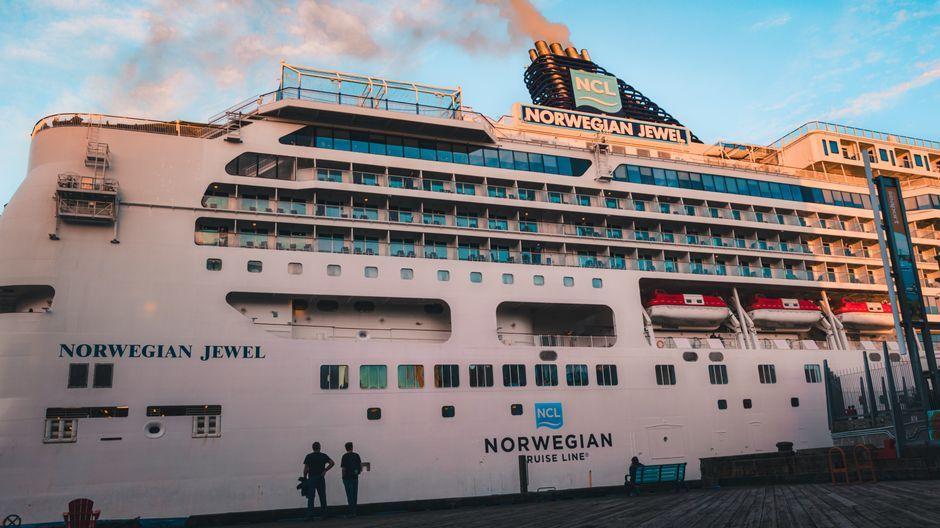
Stock photo for illustration only, not from the actual event
- OneSpaWorld commands over 90% of the outsourced cruise spa market across 200-plus ships
- The firm is on track to cross $1 billion in revenue this year serving 28 million passengers
- Direct costs and cruise commissions absorb about 83% of revenue, leaving a 7% net margin
- Three major cruise groups drive over 85% of revenue and hold ultimate leverage
Within the global travel landscape, there are billion-dollar enterprises that nearly no one outside the industry recognizes. OneSpaWorld stands prominently among them, driving wellness operations across a massive fleet of vessels.
The company operates spas and wellness centers on more than 200 cruise ships, serving prominent fleets including Carnival, Royal Caribbean, Norwegian Cruise Line, Princess, Celebrity, Disney, and Virgin Voyages. It estimates a market share exceeding 90% in the outsourced maritime spa sector, operating at a scale more than 17 times larger than its nearest competitor while reaching over 28 million passengers annually.
<
Stock photo for illustration only, not from the actual event
Tracing its lineage back to a 1901 London hair salon under the Steiner name, the enterprise consolidated over decades before L Catterton took it private in 2015, eventually returning to public markets via a SPAC transaction in 2019. Its asset-light operational model allows it to retail services onboard cruise liners without shouldering the capital expenditure required to build the facilities.
Yet, financial disclosures expose a stark divergence between absolute market dominance and bottom-line profitability. Last year, OneSpaWorld posted $961 million in revenue alongside $123 million in adjusted EBITDA, projecting to break the billion-dollar threshold this year. However, direct expenses—including undisclosed commissions paid to cruise operators—consume roughly 83% of revenue, pinning adjusted EBITDA margins near 13% and net margins around 7%.
This dynamic illustrates a fundamental economic lesson in travel: dominating a service niche is vastly different from capturing the underlying economics. Power rests firmly with the cruise operators rather than the spa vendor, as three primary conglomerates—Carnival at roughly 40%, Royal Caribbean at 28%, and Norwegian at 18%—generate over 85% of revenue and control the captive passenger base, which represents the ultimate scarce asset.
With minimal remaining market share left to capture, future expansion relies entirely on onboarding new vessels and elevating per-passenger spending through pre-booking initiatives, dynamic revenue management, and lucrative medical-aesthetic treatments, alongside returning capital to shareholders through dividends and buybacks.
Source: Skift
Found something wrong in this article? Report an issue with this article
Comments
Leave a Comment