

Gartner outlines four AI tiers in warehouse automation
Gartner reports that warehouse automation spans four operational AI tiers, driven by worker deficits and lower initial capital requirements.
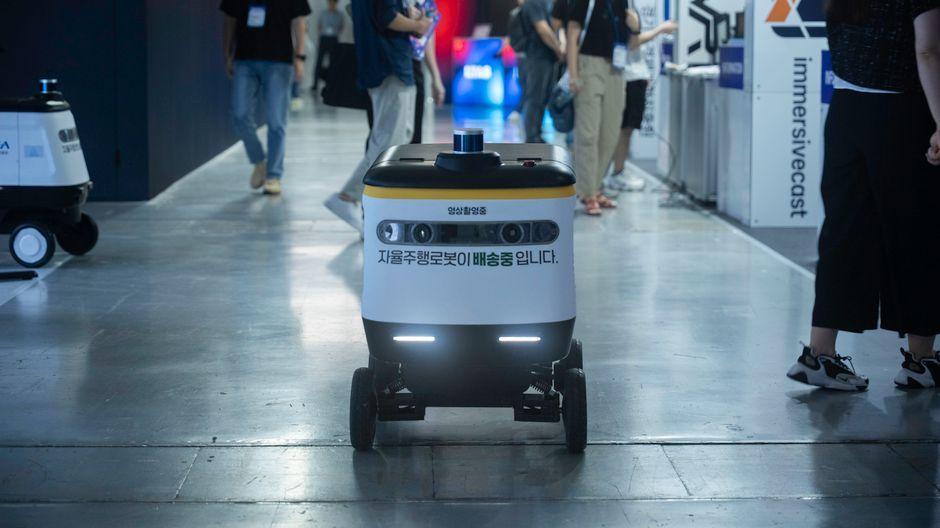
Stock photo for illustration only, not from the actual event
- Gartner reveals logistics infrastructure has reached an adoption threshold with four AI tiers.
- Drivers include persistent worker shortages, lower software costs, and reliable machinery.
- Modern calculation engines intake live floor telemetry instead of static spreadsheets.
- Human managers retain manual override authority over high-value operational decisions.
Research firm Gartner reports that warehouse automation now spans four operational AI tiers as logistics operators transition from software trials to live facility deployments across the sector.
In an analysis released this month, the firm concludes that logistics infrastructure has reached a clear adoption threshold driven by three primary pressures. Persistent worker deficits make automated systems mandatory, software commercial models feature lower initial capital requirements, and underlying algorithms have reached production-grade reliability.
Gartner evaluates these systems across two primary performance axes: intelligence sophistication and operational action orientation. Stufano stated that enterprise deployment requires clear system visibility so supervisors understand automated reasoning on the warehouse floor alongside human staff.
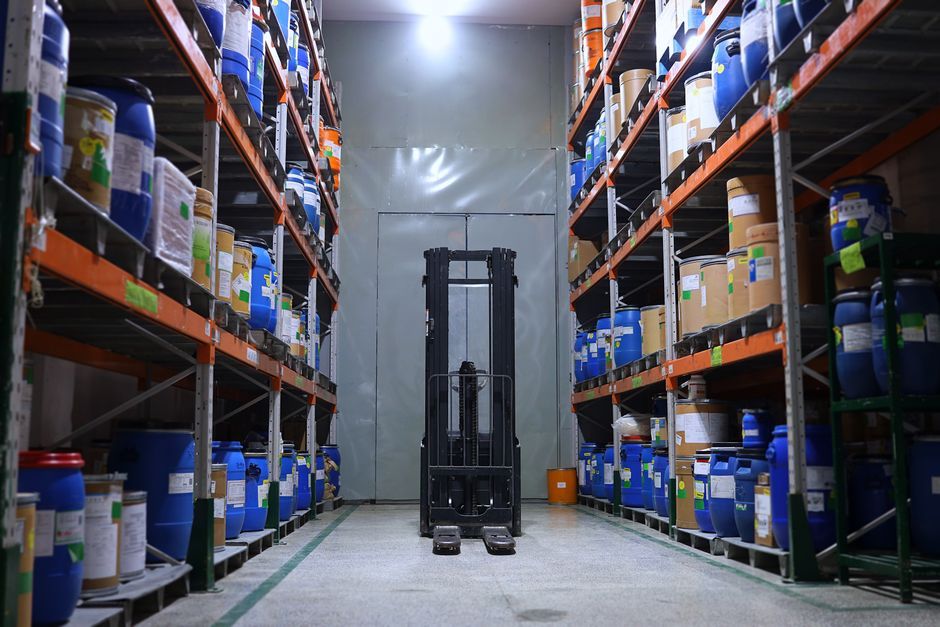
Stock photo for illustration only, not from the actual event
The transition toward smart warehousing relies heavily on integrating real-time data processing with physical automation. By moving beyond static spreadsheets and rigid heuristics, modern logistics operations can dynamically adjust to supply chain disruptions and labor shortages, ultimately enhancing both asset productivity and regulatory compliance.
Traditional mathematical models have advanced past rigid heuristics. Modern calculation engines intake live floor telemetry to direct facility operations, while warehouse management suites apply refined algorithms to demand forecasting, shift planning, travel routing, and stock placement.
This dynamic adjustment curbs operational expenditure and lifts physical asset productivity while preserving deterministic audit trails. Machine learning models interpret unstructured facility data alongside tabular logs, and operational generative systems read maintenance records and vendor delivery receipts to compile dynamic documentation.
"Supply chain leaders should take a pragmatic approach to AI in warehousing by tackling proven use cases, such as labour forecasting and slotting, and expanding into generative AI and agents where it can improve decision-making and workforce productivity."
Stufano
Autonomous software agents handle complex workflows by pairing analytical evaluation with human validation. Human managers retain manual override authority over high-value decisions, confirming dispatch orders before execution begins to prevent workflow interruptions and accelerate response times.
Source: AI News
Found something wrong in this article? Report an issue with this article
Comments
Leave a Comment