

UK flight chaos sparked by millisecond software defect
Nats reveals a millisecond software glitch caused widespread UK airspace disruption on Sep 8, cancelling over 2,000 flights and stranding passengers.
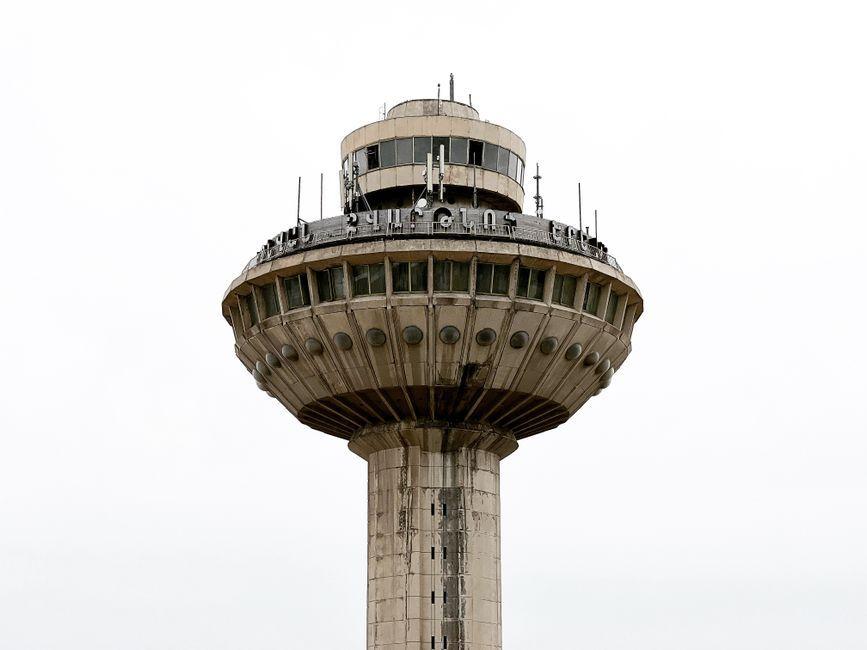
Stock photo for illustration only, not from the actual event
- A millisecond software defect caused the Nats air traffic system failure
- Over 2,000 flights were cancelled, stranding hundreds of thousands
- Nats CEO refuses to resign while facing intense industry backlash
- Airlines demand immediate compensation and proven system resilience
An air traffic control failure that triggered widespread travel chaos earlier this month was rooted in a software defect lasting just a millisecond, according to the national air traffic service Nats. The microscopic glitch caused the airspace management system to generate corrupted data.
The system failure occurred at 10:00 AM on September 8, though operators did not realize the severity of the issue for another two and a half hours. A system restart was initiated just after 3:15 PM, and restrictions across UK airspace were finally lifted at 7:30 PM. Major airports including Heathrow, Gatwick, Luton, and Glasgow faced severe disruptions, with more than 2,000 flights cancelled.

Stock photo for illustration only, not from the actual event
Nats Chief Executive Martin Rolfe apologized to those affected and stated the organization was devastated, but he firmly refused to resign. Rolfe defended the system by calling the software defect extremely obscure and complex, while assuring the public that flight safety was never compromised throughout the ordeal.
Transport Secretary Heidi Alexander branded the disruption completely unacceptable. Meanwhile, Airlines UK chief executive Tim Alderslade criticized Nats for facing no real consequences while airlines pick up the pieces, confirming the industry body is writing to Nats to demand immediate cost compensation and a credible resilience plan following the third national airspace incident in three years.
"The software defect was very, very obscure."
Martin Rolfe, Nats Chief Executive
This recurring air traffic control failure highlights the immense vulnerability of modern aviation infrastructure, where hyper-automated software manages complex global transit networks. Even a momentary glitch can trigger cascading operational delays that take days to untangle. The incident underscores ongoing policy debates regarding passenger compensation frameworks and accountability when critical public infrastructure fails under extraordinary circumstances.
Passengers also expressed frustration over support and compensation rules, noting they are unlikely to receive payouts due to regulatory classifications of extraordinary circumstances. Travelers like 26-year-old Addie Kitson incurred unexpected expenses after her flight from China was diverted to Stockholm, stranding her inside the airport for 19 hours.
Source: BBC Business
Found something wrong in this article? Report an issue with this article
Comments
Leave a Comment