

Seoul 2026: Residents Accuse Museum of Poisoning Ginkgo
Buam-dong residents in Seoul investigate a withered 100-year-old ginkgo tree, discovering CCTV footage linking the incident to Whanki Museum.
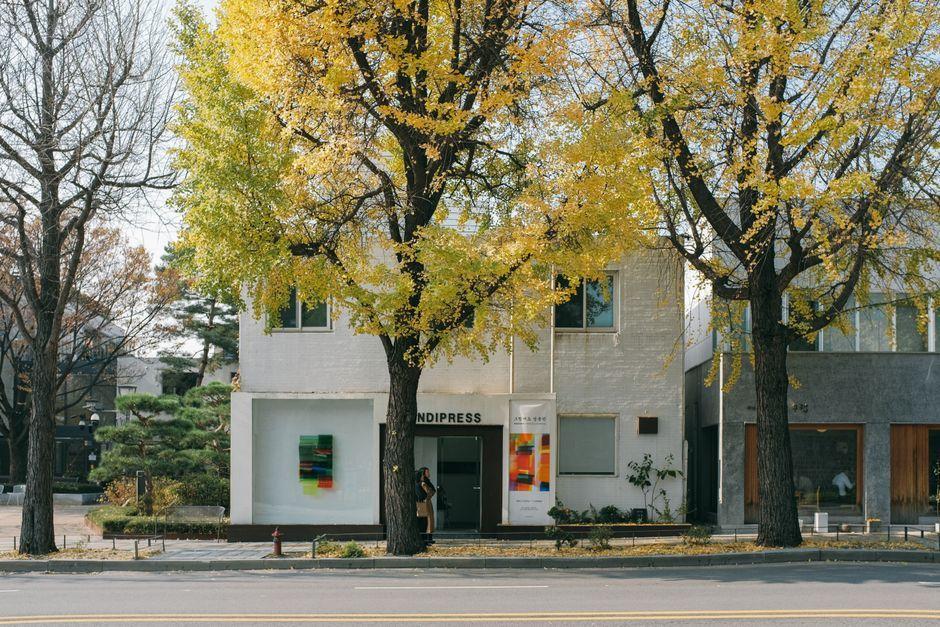
Stock photo for illustration only, not from the actual event
- A beloved ginkgo tree over 100 years old in Seoul's Buam-dong began withering in summer 2026.
- Neighbors reviewed CCTV footage showing two men in white gloves drilling near the tree base.
- Whanki Museum previously sought permission to remove the tree due to root damage concerns.
- Police are currently investigating the criminal complaint filed against the museum director.
During the humid summer months of 2026, Seoul bursts into lush greenery, but one particular landmark tree in the picturesque Buam-dong neighborhood was visibly struggling. Jung, a resident who moved to the area four years ago, could not ignore the carpet of rotting fan-shaped leaves surrounding the tree she had grown to cherish.
Tucked between two mountains near the South Korean presidential residence, Buam-dong retains its historic charm due to strict urban development limits. Bound by deep affection for the grand old tree, Jung and her neighbors formed an amateur detective squad to uncover why their hardy ginkgo was abruptly dying.
Stock photo for illustration only, not from the actual event
Buam-dong is famous for its quiet artistic atmosphere, strict height regulations, and preservation of traditional Seoul landscapes. In Korean culture, ginkgo trees symbolize longevity, resilience, and deep-rooted community history, as these resilient trees can survive for centuries. Consequently, suspected deliberate harm to a centenarian ginkgo tree sparks intense local outrage that transcends a simple environmental dispute.
Suspicion quickly fell upon 10 white plastic funnels protruding from the base of the trunk. After examining security camera footage from a nearby house, the residents discovered a recording from late April showing two men wearing white gloves crouching by the tree roots with a power drill.
"How heartbreaking would that be?"
Jung (Pseudonym)
The puzzle pieces connected when residents recalled a previous local council notice: Whanki Museum, whose outer wall sits inches from the ginkgo tree, had asked landowners for permission to remove the tree, claiming its roots were damaging the museum's exterior brick structure.
Armed with the video evidence, a group of Buam-dong residents accompanied by four police officers marched directly into the museum. According to the neighbors, a museum employee essentially admitted that staff had intervened with the tree, though management has since refused to answer media questions or issue a public clarification.
Opened in 1992, the museum honors Kim Whanki, a pioneering abstract painter widely celebrated as the Picasso of Korea. Ironic to the residents, Kim frequently wrote essays under the pen name Su-wha, meaning conversation with trees, making the alleged botanical attack by his namesake museum all the more tragic.
Source: BBC Science & Environment
Found something wrong in this article? Report an issue with this article
Comments
Leave a Comment