

Eknat Promphan Pushes Solar Rooftops for Citizens
Energy Minister Eknat Promphan announced on Sept 19, 2026, a push for rooftop solar generation, allowing citizens to produce and sell electricity.
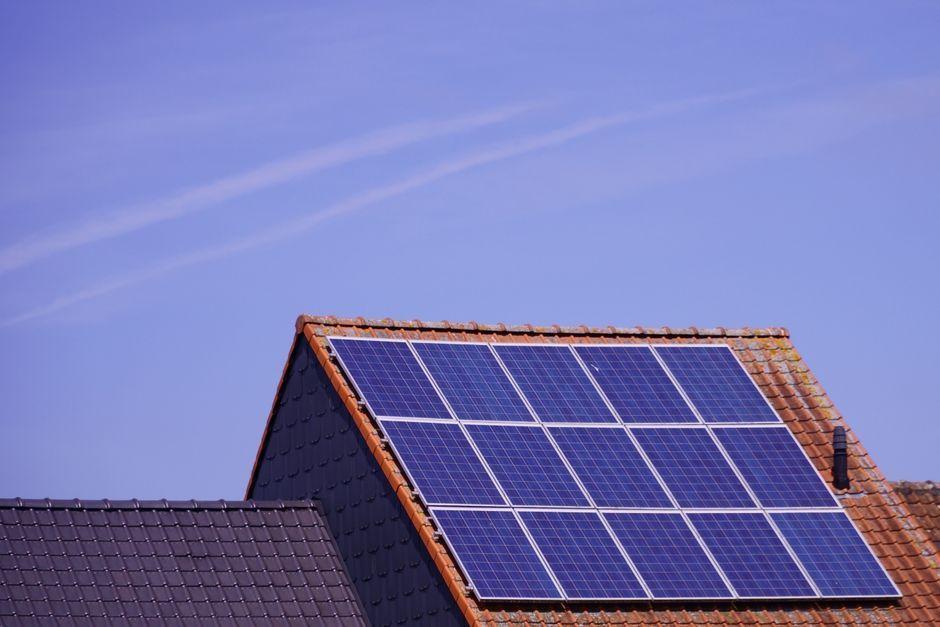
Stock photo for illustration only, not from the actual event
- Energy Minister Eknat Promphan supports citizens installing rooftop solar panels for self-consumption.
- The government aims to empower citizens to become rooftop power plant owners and energy sellers.
- Bureaucratic hurdles are removed, allowing applicants to seek approval solely from the Provincial Electricity Authority.
- A buy-back policy is introduced to address the economic viability of generating power by day and using it at night.
Energy Minister Eknat Promphan outlined Thailand's energy transition strategy during the television program speaking on September 19, 2026. He stated that the administration is highly ambitious in encouraging citizens to generate their own electricity through rooftop solar panels, aiming further to allow individuals to become owners of miniature power plants on their own roofs as both producers and sellers of electricity.
Addressing national energy security, Eknat explained that shifting towards domestic solar generation helps mitigate high oil prices and reduces reliance on imported natural gas. He noted that international geopolitical conflicts could disrupt energy exports, making independent household generation a vital strategic plan for the country's sustainable future.
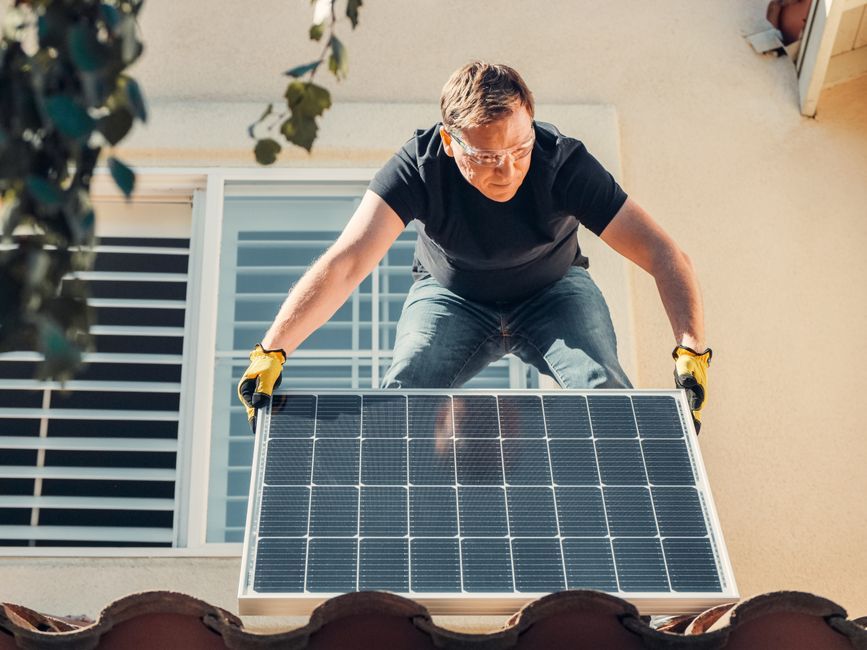
Stock photo for illustration only, not from the actual event
The liberalization of rooftop solar energy and the implementation of a power buy-back scheme represent a significant milestone in Thailand's clean energy transition. Streamlining the permit process to a single agency removes historical administrative bottlenecks, while the feed-in or buy-back incentive creates strong economic motivation for households to invest in renewable technology.
The Energy Minister acknowledged that past regulatory procedures for obtaining installation permits were overly complicated and time-consuming. However, he confirmed that these issues have now been fully resolved, enabling citizens to submit their applications directly to the Provincial Electricity Authority (PEA) without needing multiple approvals from various agencies.
Furthermore, regarding public concerns over cost-efficiency—since solar panels generate electricity during daylight hours while household consumption peaks at night—the government has established a buy-back policy for surplus energy. This ensures that household investments in rooftop solar installations remain economically viable and beneficial.
Source: Khaosod Politics
Found something wrong in this article? Report an issue with this article
Comments
Leave a Comment