

China’s Outbound Travel Recovery Has a New Problem: Not Enough Planes
A new survey shows Chinese outbound demand is surging, but a severe shortage of flights is holding the market back.
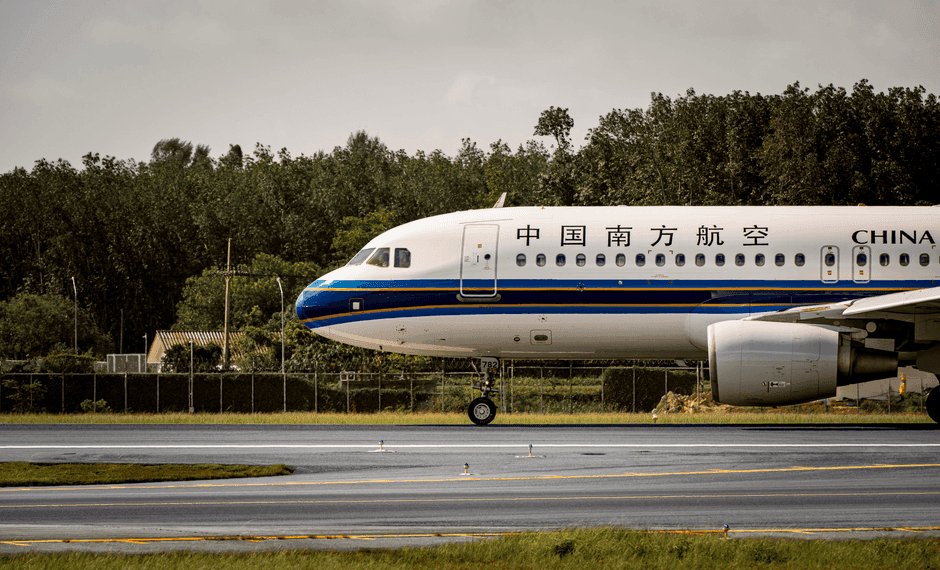
Stock photo for illustration only, not from the actual event
- Chinese outbound travel demand is surging past expectations in 2026.
- The primary bottleneck is a shortage of flights rather than traveler hesitation.
- Popular destinations like Japan and Thailand remain resilient despite capacity cuts.
- Agency AI adoption has reached 99% though usage remains shallow.
The rebound of China's outbound travel in 2026 is confronting a fresh obstacle that has nothing to do with war, hesitation, or diplomatic fallout. Instead, the market is being constrained by a severe shortage of flights, according to a Dragon Trail Research survey of 310 Chinese travel agents.
More than three-quarters of the surveyed agents reported that demand for outbound trips grew during the first half of 2026 compared to the previous year. A matching share confirmed that summer bookings were also up, reflecting an unexpectedly strong sentiment in a year that the industry initially anticipated would be difficult.
Stock photo for illustration only, not from the actual event
The clearest evidence of this flight capacity crunch is visible in Japan. Following a diplomatic dispute in late 2025, China cancelled approximately half of all flights operating between China and Japan. Despite this massive reduction, Japan still secured the second spot among the most noteworthy destinations for 2026 and ranked third for summer bookings.
The rapid resurgence of Chinese travelers despite constrained air capacity highlights the immense pent-up demand, particularly among younger independent travelers aged 18 to 35 from Tier-1 and Tier-2 cities. The industry bottleneck has fundamentally shifted from whether consumers are willing to travel to whether aviation infrastructure can scale fast enough.
Simultaneously, the demographic of Chinese travelers is shifting toward younger, independent tourists aged 18 to 35 concentrated in Tier-1 and Tier-2 cities. Meanwhile, artificial intelligence adoption among travel agencies has surged to 99 percent, though utilization remains relatively shallow due to lingering concerns over data security and trust.
Source: Skift
Found something wrong in this article? Report an issue with this article
Comments
Leave a Comment