

Qualcomm is raising phone chip prices starting September 1st
The chipmaker announces broad price hikes across its processor lineup following a multi-year low in quarterly handset revenue and ongoing supply chain pressures.
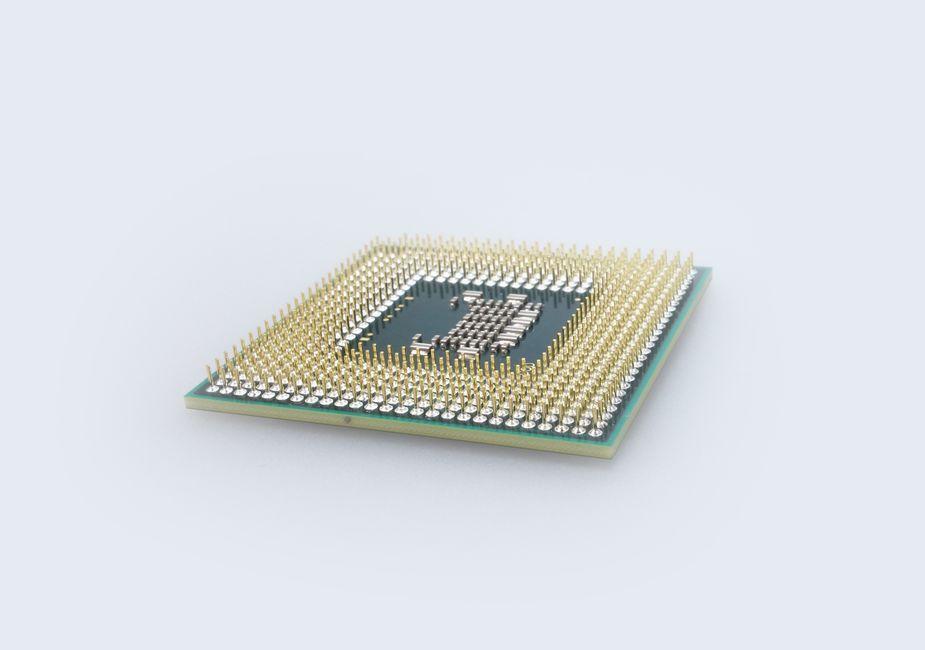
Stock photo for illustration only, not from the actual event
- Qualcomm is increasing prices on all of its processors starting September 1st.
- The move follows a 20 percent year-over-year drop in handset revenue, hitting its lowest point since 2021.
- Unprecedented memory pricing and supply constraints are driving up component costs across the tech industry.
- The company expects its modem share for the upcoming iPhone launch to be materially lower.
Qualcomm is set to increase prices across its entire processor lineup beginning September 1st, 2026. CEO Cristiano Amon confirmed on Wednesday that prices are slated to rise on the company's hardware products, following rumors from the previous week suggesting a double-digit percentage increase.
The announcement accompanied the company's quarterly earnings report, which revealed a 20 percent year-over-year decline in handset revenue—the lowest quarterly mobile revenue recorded since 2021. Qualcomm attributed the drop to unprecedented increases in memory pricing and ongoing supply constraints that have driven up costs for hardware ranging from laptops to game consoles and Raspberry Pi boards.
Stock photo for illustration only, not from the actual event
Rather than absorbing reduced profitability, the company intends to offset these market pressures through direct price hikes. Furthermore, Qualcomm anticipates an acceleration in revenue declines related to Apple products, noting that its modem share for the upcoming iPhone generation will be significantly lower, though executives expressed confidence that other business segments will compensate for the gap.
As smartphone revenue trends downward, Qualcomm is strategically pivoting toward a tripartite business model spanning handsets, data centers, and automotive products. The company stated that mobile chips will soon account for only half of its total revenue, and just one-third by 2029, as its automotive and data center divisions scale up.
Qualcomm's decision highlights the persistent severity of the global memory shortage and component supply crunch affecting the hardware ecosystem. By raising prices while some original equipment manufacturers (OEMs) resort to utilizing previous-generation chips to mitigate expenses, the industry is demonstrating how soaring upstream costs are reshaping hardware pricing and product planning strategies.
Amid these strategic shifts, Qualcomm announced a decade-long partnership on Wednesday to supply chips to BMW. Akash Palkhiwala, Qualcomm's EVP, CFO, and COO, also noted during the earnings call that certain OEMs have begun incorporating older generation Qualcomm silicon into their devices to cope with rising component expenses.
Source: The Verge
Found something wrong in this article? Report an issue with this article
Comments
Leave a Comment