

Stunning photos capture July's Buck Moon over the UK
The July full Moon, widely known as the Buck Moon, illuminated the skies across the UK on Wednesday night, accompanied by breathtaking photographs captured by stargazers.
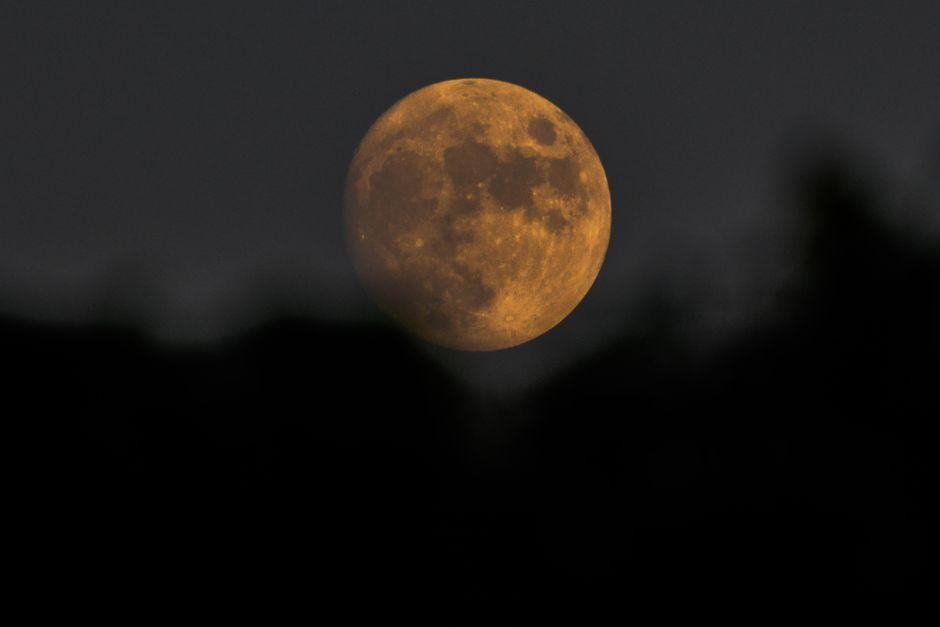
Stock photo for illustration only, not from the actual event
- The Buck Moon full Moon lit up the UK sky on Wednesday night
- The celestial display reached its peak at 15:36 BST
- The name originates from the time of year when male deer rapidly grow new antlers
- The final summer full Moon, the Sturgeon Moon, will rise on August 28
The July full Moon, famously referred to as the Buck Moon, cast a brilliant glow across the UK sky on Wednesday night. Skygazers and BBC Weather Watchers managed to capture stunning photographs of the celestial display as soon as darkness fell, showcasing the moon shining brightly above notable landmarks such as Windsor Castle.
This impressive lunar event reached its absolute peak at 15:36 BST on Wednesday. The Buck Moon marks the second of three full Moons scheduled to grace the skies during this meteorological summer, offering astronomy enthusiasts a magnificent view.
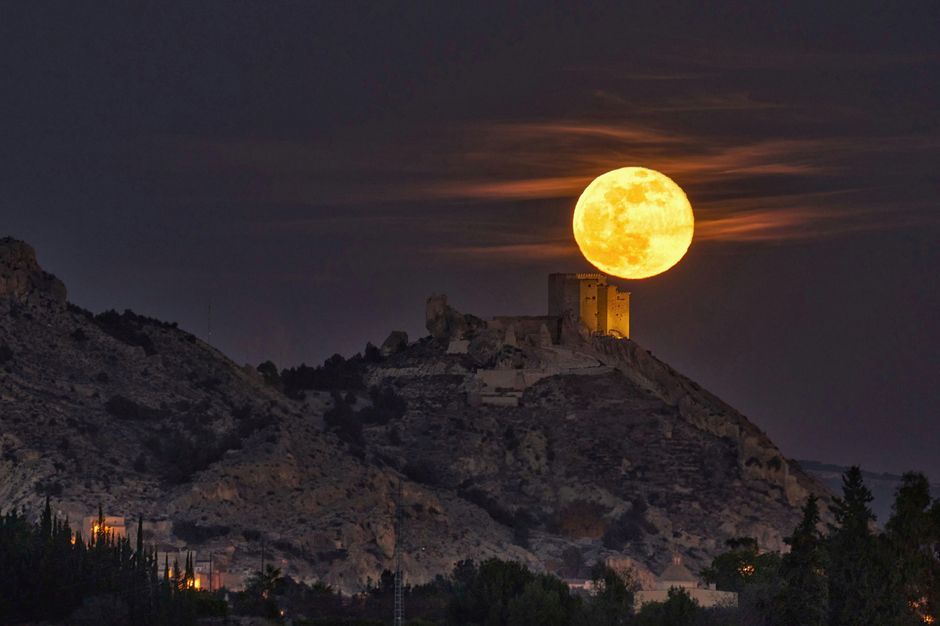
Stock photo for illustration only, not from the actual event
Following a tradition similar to other full Moons throughout the year, this lunar event derives its moniker from natural occurrences happening in the environment simultaneously. Historically, these nicknames were utilized by communities to monitor the passage of time and observe shifting seasons. Specifically, the July full Moon gets its designation from the period when male deer, or bucks, experience a rapid growth spurt in developing new antlers. Furthermore, the Royal Observatory in Greenwich alternatively refers to this lunar cycle as the Thunder Moon, reflecting the frequent summer storms characteristic of this month.
The practice of naming full Moons after seasonal environmental markers—such as animal behaviors or weather patterns—dates back to Native American and early European traditions. Before standardized calendars became widespread, these descriptive titles served as vital ecological calendars, demonstrating how deeply intertwined ancient human societies were with the natural rhythms of their environment.
Those who missed Wednesday's display will soon have another chance to witness a similar phenomenon. Following the Buck Moon, there remains only one final opportunity to spot a full Moon during the meteorological summer. The Sturgeon Moon—named after the freshwater fish traditionally harvested by Native Americans in the Great Lakes—is scheduled to rise on August 28, just ahead of the meteorological autumn beginning on September 1.
Source: BBC Science & Environment
Found something wrong in this article? Report an issue with this article
Comments
Leave a Comment