

Cambridge Researchers Develop Algae-Powered Biocell Lasting 6 Years
A new bio-energy innovation from the University of Cambridge converts photosynthesis into electricity to combat disposable battery waste.

Stock photo for illustration only, not from the actual event
- Cambridge researchers developed Biocell, a bio-energy source using green algae.
- It uses Biophotovoltaics to capture electrons released during photosynthesis.
- The device provides continuous power for over 6 years without battery replacement.
Researchers at the University of Cambridge, in collaboration with biodesigner Lucia Giron, spent over two and a half years developing Biocell, a biological power source utilizing cyanobacteria or green algae to generate electricity for low-power electronic devices.
The technology relies on a principle called Biophotovoltaics. Inside the device, green algae capture light and undergo photosynthesis, releasing tiny electrical charges or electrons. The equipment then captures these electrons and converts them into an electrical current while the algae remain completely unharmed and continue to live naturally.
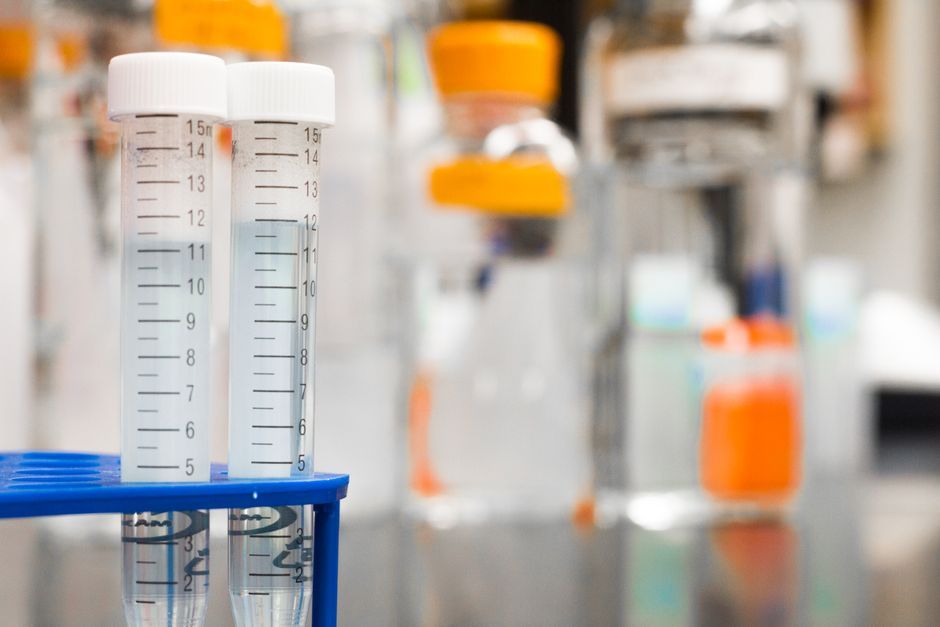
Stock photo for illustration only, not from the actual event
A key feature of Biocell is its transparent material design, allowing users to watch the energy production process with their own eyes. The exterior features leaf-vein patterns, while the internal electrodes have hair-like surfaces for better algae adhesion, accompanied by a special membrane that maintains moisture.
Integrating biotechnology into everyday electronics represents a crucial step in reducing electronic waste from small disposable batteries like those used in remote controls and sensors, which traditionally rely on mining resources and pose severe disposal challenges.
The research team has successfully built two prototype models: a cylindrical version and a rectangular version. While the e-Pho company is working on shrinking the size, Lucia Giron believes the device's true charm lies in keeping the living energy generation visible.
"We don't need to shrink this device until it's invisible, because the true charm of Biocell is giving people the opportunity to witness the energy generation process of living organisms right before their eyes."
Lucia Giron
Source: Techsauce
Found something wrong in this article? Report an issue with this article
Comments
Leave a Comment