

Investors love AI, as long as you’re a cloud host
Amazon reports a 20% jump in net sales and sends shares up nearly 10% as cloud revenue shines, despite surging data center and AI chip spending.
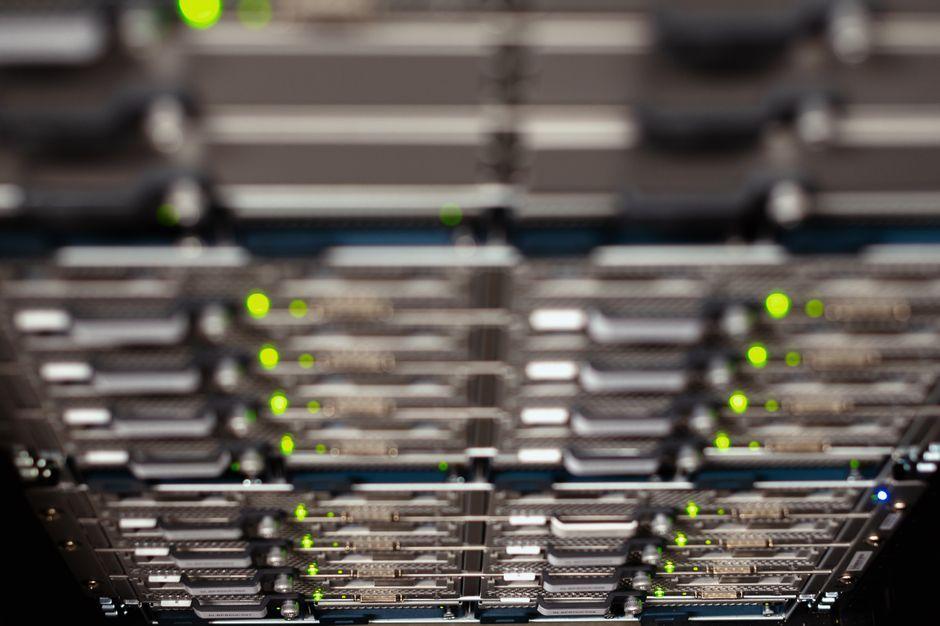
Stock photo for illustration only, not from the actual event
- Amazon posts a 20% net sales rise in Q2, lifting stock nearly 10% in after-hours trading.
- Property and equipment spending reached $173 billion for the year ended June 30, with 2026 capex forecast raised to $220 billion.
- AWS revenue grew 37% year over year to reach $42 billion for the quarter.
- Cloud peers Microsoft and Google also saw shares pop, while Meta faced an 8% drop over cash flow and spending concerns.
Amazon reported better-than-expected second-quarter earnings as net sales rose 20% and cloud revenue stood out as a primary bright spot, pushing the company's stock up nearly 10% in after-hours trading.
Despite the prevailing market consensus that corporations should rein in heavy spending, Amazon is pressing forward with its data center expansion. A key line item illustrating this infrastructure appetite shows that Amazon spent $173 billion for the fiscal year ended June 30 on property and equipment—a category encompassing GPUs, natural gas turbines, and plots of land—surpassing the previous year's $107.65 billion.
The tech giant also raised its 2026 capex forecast from $200 billion to $220 billion. This expansion has begun dipping into cash reserves, resulting in the company ending the quarter with $7.6 billion less cash than 12 months prior, marking its first period of negative free cash flow this year.

Stock photo for illustration only, not from the actual event
Normally, ballooning expenses would trigger investor anxiety, but Amazon's robust revenue engine helps justify the outlays. AWS revenue climbed 37% year over year to hit $42 billion for the quarter, demonstrating that customer demand is scaling alongside supply capacity despite the multi-year lead time required to build and deploy data centers.
The massive capital expenditure cycle in the AI sector highlights a widening gap between established cloud infrastructure providers and pure-play AI labs. While cloud hosts can leverage existing enterprise customer bases and diverse revenue streams to offset infrastructure costs, early-stage labs and startups often face heavy cash burn without immediate monetization paths.
Beyond massive facilities, Amazon's artificial intelligence strategy extends to long-term hardware bets like the Trainium TPU and the Arm-based Graviton processor. While these projects bypass standard capex accounting, they successfully improve cloud profit margins over time. CEO Andy Jassy emphasized during the earnings call that the AI business is following the exact same margin trajectory seen in the core business previously, asserting that Amazon Bedrock can achieve massive success without building its own single frontier model.
“We see the AI business following very much the same margin trajectory we saw in the core business before.”
Andy Jassy
This market dynamic is not isolated to Amazon, as Microsoft and Google experienced similar share bumps following strong cloud reports. Conversely, companies like Meta with heavy capital expenditures but absent clear near-term revenue sources continue to battle investor skepticism, seeing their stock fall 8% after reporting a cash flow crunch.
Source: TechCrunch
Found something wrong in this article? Report an issue with this article
Comments
Leave a Comment