

Apple warns of future 'supply constraints' for Mac, iPhone, iPad
Apple spooked Wall Street with warnings of chip constraints hitting devices, despite reporting a 16% jump in quarterly revenue to $109b.

Stock photo for illustration only, not from the actual event
- Apple shares dropped over 7% in after-hours trading following supply constraint warnings
- Overall quarterly revenue rose 16% to $109b with profits surging 26% to $29b
- Outgoing CEO Tim Cook confirmed supply shortages will spread to iPhones and iPads
- The tech giant plans to reinvest tariff refunds estimated at roughly $1.1b back into the US
Apple rattled Wall Street on Thursday after issuing a stark warning that it would likely face significant negative hits stemming from expected supply constraints on several of its flagship products. The cautionary outlook overshadowed what was otherwise a robust financial period for the tech giant.
According to the company's financial report, revenue climbed 16% to reach $109 billion, roughly £81 billion, largely driven by unexpectedly high consumer demand for iPhones. Meanwhile, net profits jumped 26% to hit $29 billion. Despite these impressive figures, company shares tumbled more than 7% during after-hours trading following the announcement.
Outgoing Chief Executive Tim Cook acknowledged that specific hardware component shortages had already surfaced earlier this year regarding Mac computer availability, and warned that conditions are projected to worsen while spreading to affect both iPhone and iPad lineups. A primary bottleneck involves critical chip components essential for device functionality.
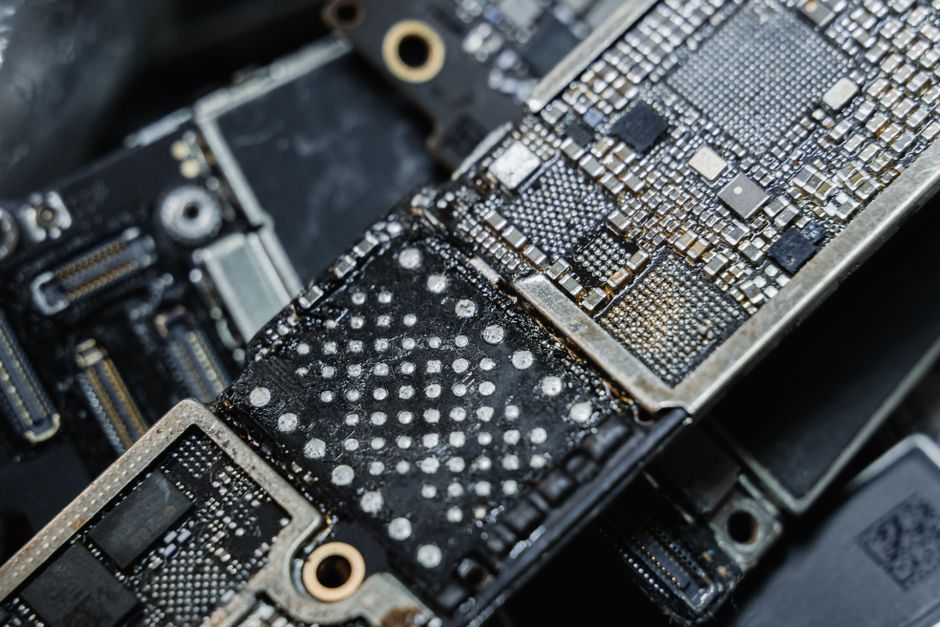
Stock photo for illustration only, not from the actual event
Products like Macs and iPhones rely heavily on microprocessors built with advanced nodes—semiconductor technology enabling faster processing speeds—the vast majority of which are manufactured by TSMC in Taiwan. However, Cook maintained that the core underlying issue remains unexpectedly high consumer demand, particularly for iPhones and Macs, which saw sales surge by 22% and 25% respectively during the June quarter. Earlier in the year, Apple noted that the iPhone 17 release marked the largest launch in corporate history.
"The ability to run on device is also very strategic, and sort of a competitive weapon, if you will,"
Tim Cook
Apple also reported that its gross margin—the portion of revenue retained from sales—was 2% higher over the past three months due to tariff refunds. BBC calculations estimate this refund windfall equates to roughly $1.1 billion. Cook stated that Apple intends to reinvest these tariff refunds directly back into the United States. This aligns with the company's previous pledge to allocate $600 billion toward expanding domestic manufacturing infrastructure over the next four years, as China currently serves as Apple's largest manufacturing hub.
Apple's struggle with supply chain choke points despite record financial metrics highlights the immense pressure that soaring consumer demand places on global semiconductor ecosystems. Heavy reliance on specialized foundries like TSMC in Taiwan continues to expose tech conglomerates to geopolitical and operational vulnerabilities, prompting massive capital expenditure toward domestic production hubs.
Addressing the company's upcoming public relaunch of Siri, Cook spoke about the AI assistant, which has faced perception challenges amid the rise of competing generative AI chatbots from firms like OpenAI and Anthropic. While the updated AI model remains in public beta testing prior to a broader rollout, Cook described it as an enormous future opportunity for Apple. He also noted that ongoing negotiations with European Union regulators aim to release the updated Siri version simultaneously to everyone everywhere.
Source: BBC Business
Found something wrong in this article? Report an issue with this article
Comments
Leave a Comment