

Danube Record Low Water Levels Force Shutdown of Hungary's Only Nuclear Plant
Severe drought and heatwaves across Europe cause Danube water levels to plummet to 30-year lows, threatening nuclear power generation and shipping.
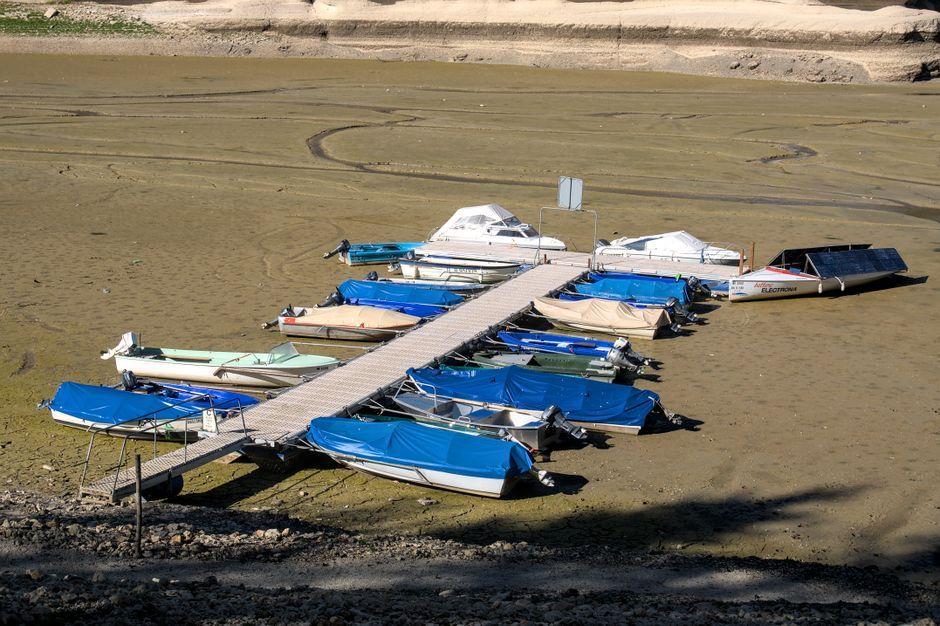
Stock photo for illustration only, not from the actual event
- Record low water levels in the River Danube force Hungary's sole nuclear plant to shut down.
- Romania shuts down one of two Cernavoda nuclear reactors, impacting 20% of the nation's power.
- Prolonged drought and high temperatures push Danube flow down to less than a third of its July average.
- Dry riverbeds reveal World War II German warships, cargo ships, and mammoth fossils.
Extreme summer heat and a severe lack of rainfall have driven water levels in the River Danube down to their lowest points in decades across multiple European nations, including Serbia and Romania. The unfolding environmental crisis has put immense pressure on regional energy infrastructure, with the Hungarian Prime Minister warning that the country's only nuclear power facility will face a complete shutdown.
The Soviet-era Paks nuclear plant relies directly on water from the Danube for its cooling systems, but the current water levels have dropped so drastically that the plant's suction nozzles can no longer reach the water. Authorities have urged citizens to cut back on heavy energy usage, such as charging electric vehicles and running air conditioning units during peak hours between 17:00 and 22:00, while also weighing potential rotational grid shutdowns.
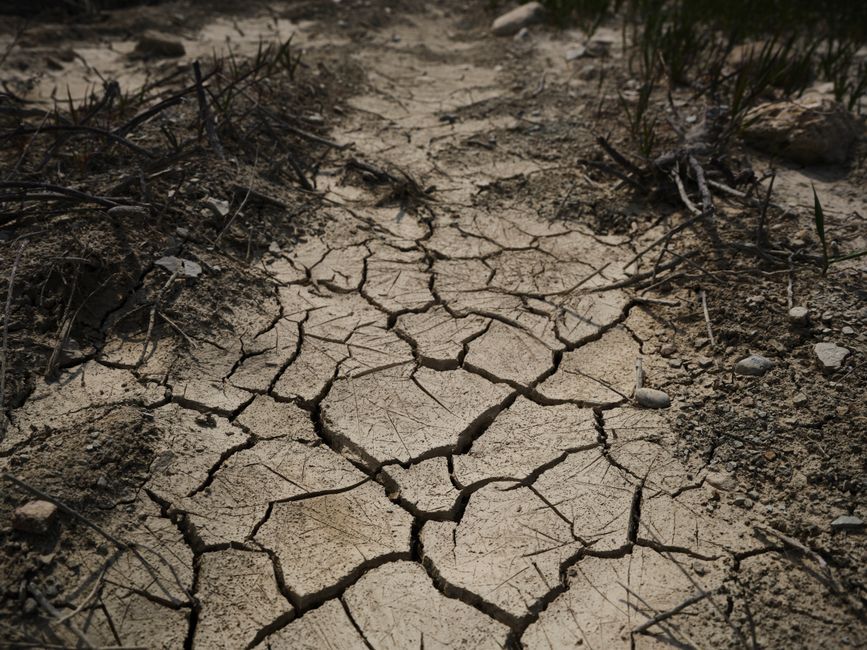
Stock photo for illustration only, not from the actual event
The energy crunch extends beyond Hungary. In Romania, one of the two nuclear reactors at the Cernavoda power plant—which supplies roughly 20% of the country's electricity—was taken offline earlier this week as operators scramble to prevent the second reactor from shutting down as well. Romania's National Institute of Hydrology reported that the average river flow where the Danube enters the country dropped to 1,600 cubic meters per second, a severe drop from the typical July average of 4,700 cubic meters per second.
This unprecedented drop in the Danube's water levels highlights how climate change poses an escalating threat to Europe's energy security. As the fastest-warming continent heating up at twice the global average, Europe faces increasingly intense summer heatwaves that strain freshwater supplies. Thermal and nuclear power plants that depend on continuous access to natural water sources for cooling are particularly vulnerable, raising the risk of emergency outages and grid instability during peak demand seasons.
Beyond energy production, the receding waters have uncovered unexpected historical artifacts and wildlife remains, including a sunken Hungarian cargo ship in Croatia, World War II German warship wrecks in Serbia, and mammoth bones discovered in Bulgaria. Meanwhile, commercial shipping has ground to a halt, forcing border police to evacuate 186 passengers from a stranded river cruise ship near Vidin after it ran aground and became inaccessible to rescue vessels.
Source: BBC Science & Environment
Found something wrong in this article? Report an issue with this article
Comments
Leave a Comment