

Nepal flood: Worker tells BBC of 20-minute tunnel escape
A hydropower worker in Nepal recounts escaping a flooded Trishuli River tunnel as the national death toll from flash floods surpasses 1,000.
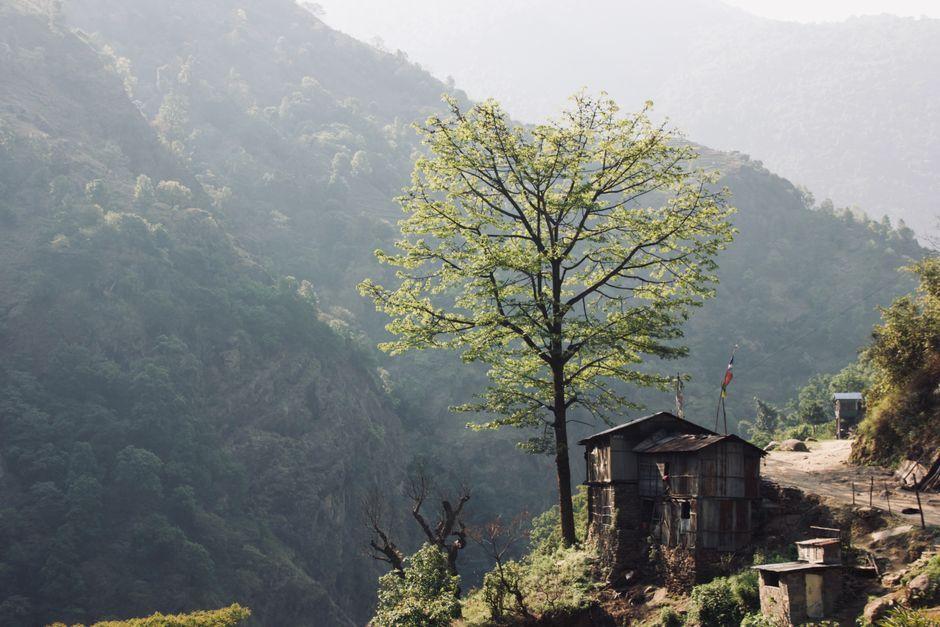
Stock photo for illustration only, not from the actual event
- Nepal hydropower workers recount the moment Trishuli River water crashed into tunnels.
- Pemba Dundu Tamang fled a violent deluge that chased him uphill for 20 minutes.
- Nepal's death toll exceeds 1,000 with approximately 4,000 people reported missing.
- Experts suggest advanced early warning systems could have saved many lives.
Nepalese hydropower workers have shared harrowing accounts of the catastrophic moment when water from the Trishuli River breached their construction tunnel amidst deadly flash floods that struck the region.
Pemba Dundu Tamang, whose team of about 30 workers was constructing the tunnel's concrete lining, told the BBC that the disaster began with a sudden, powerful gust of air. The blast sent heavy machinery flying and plywood airborne, while houses outside had already been swept away by the rising waters.
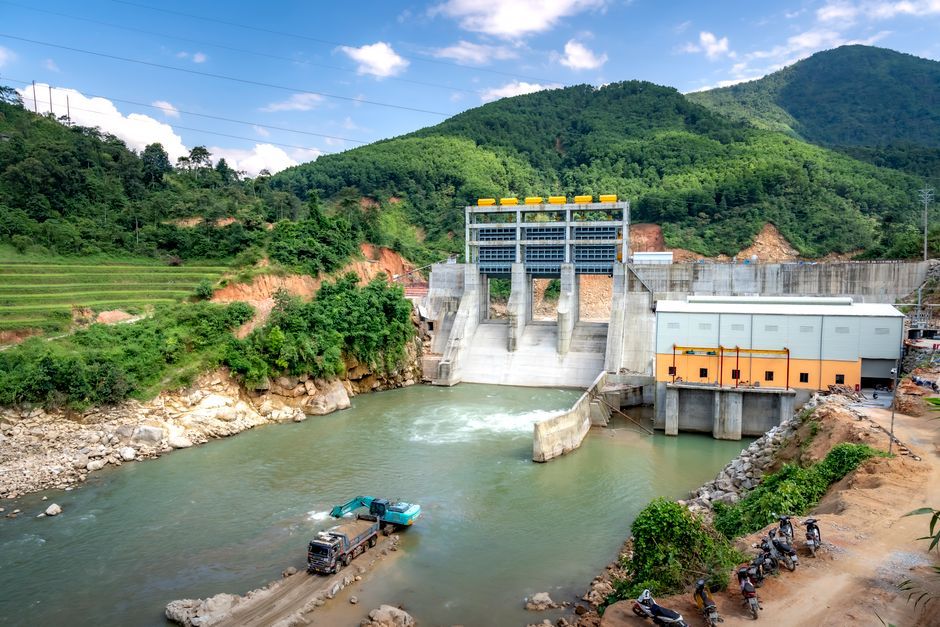
Stock photo for illustration only, not from the actual event
Tamang described running for approximately 20 minutes to escape the violent deluge, which followed him uphill and left him nearly unconscious and in deep shock. His colleague, Itha Ghale, corroborated that the forceful blast of air nearly blew them away as they sprinted for their lives.
Both men had been working at the Upper Trishuli 3B Hydropower Project, a major production site scheduled to open next year that re-uses water from an upstream plant to supply Nepal's national grid. Hydropower accounts for over 99% of electricity generated in the country.
This disaster highlights the acute vulnerabilities of hydropower infrastructure in the Himalayan region amidst accelerated glacial melting and extreme weather events. Beyond the immediate human tragedy, the crisis threatens Nepal's primary energy supply and underscores the critical need for robust climate adaptation frameworks, geological monitoring, and early warning systems in high-risk zones.
Tamang estimated that 50 to 60 workers managed to escape the tunnel alongside him, eventually taking refuge in the village of Shanti Bazar for two days before being rescued by the army. Meanwhile, a recent report by experts indicates that satellite imagery showed signs of glacial instability in the days prior to the disaster, suggesting that comprehensive warning systems could have mitigated the tragedy.
"We are focused on search-and-rescue efforts at the tunnels, our work is continuing. Our soldiers are also deployed to collect bodies and prevent the spread of disease."
Raja Ram Basnet, Nepal Army Spokesperson
Source: BBC World
Found something wrong in this article? Report an issue with this article
Comments
Leave a Comment