

UK's India Growth Plan Aims Beyond London Travelers
VisitBritain targets $2 billion in Indian visitor spend by 2030, tackling the structural challenge where 94% of direct seats land in London.

Stock photo for illustration only, not from the actual event
- VisitBritain expects Indian visitor spending to reach $1.1 billion in 2026 and $2 billion by 2030
- About 94% of direct flight capacity from India lands in London, requiring regional dispersal
- Indian business travelers account for 22% of arrivals but generate 36% of total spending
India's outbound travel market is expanding rapidly, and the United Kingdom is looking beyond merely attracting another wave of visitors to its capital. The bigger opportunity lies in encouraging these travelers to venture outside London, stay longer, and spend more across the entire country.
Patricia Yates, CEO of VisitBritain, stated on the sidelines of the Great North Destination Showcase in India that the tourism board's primary objective is to drive growth outside London by providing travelers with compelling reasons and practical ways to explore the rest of the nation.
VisitBritain's updated projections outline key milestones for the Indian outbound segment:
- 2026: Expected visitor spending of around £865 million ($1.1 billion) with approximately 600,000 visitors
- 2030: Projected visitor spending of roughly £1.5 billion ($2 billion) with arrivals climbing to 960,000
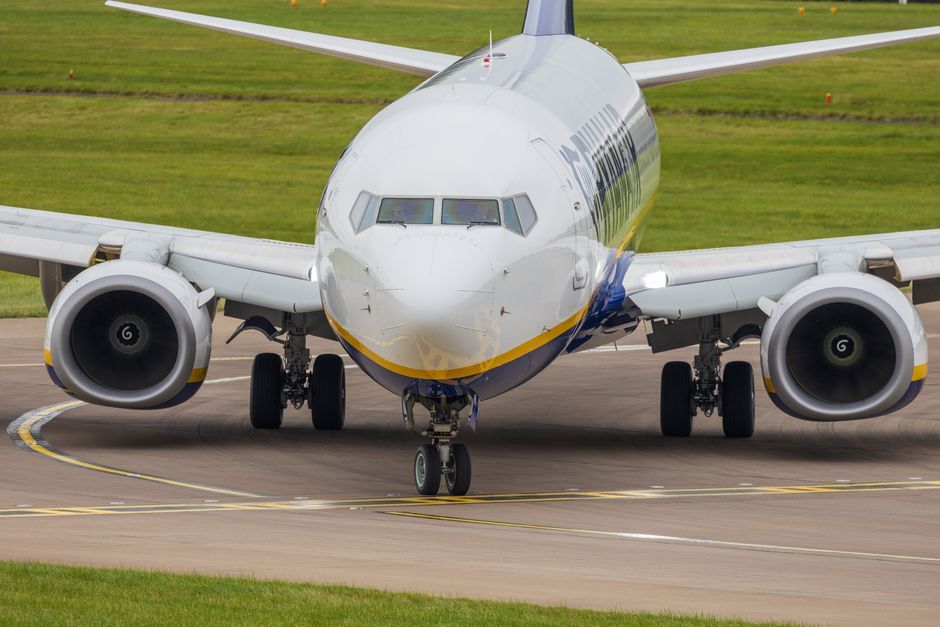
Stock photo for illustration only, not from the actual event
The primary hurdle remains structural, as roughly 94% of direct seat capacity between India and the UK is bound for London. Achieving regional dispersal depends heavily on enhancing access to regional airports—such as Manchester, which Yates noted possesses 50% spare runway capacity and is welcoming back paused IndiGo flights—alongside packaging regional attractions into itineraries that the travel trade can confidently sell.
"Our target as a government body is all about growth outside London."
Patricia Yates, CEO of VisitBritain
Intensifying competition from destinations like Abu Dhabi, Australia, Malaysia, and Sri Lanka—which utilize visa waivers and targeted campaigns—poses an additional challenge. To counter repeat-visitor fatigue, VisitBritain is deploying screen-tourism campaigns, leveraging AI recommendations and influencers, and focusing on business travel where Indian visitors represent 22% of arrivals yet drive 36% of spending, aiming to convert business trips into leisure stays under the UK-India trade agreement active since July.
The UK's strategic push to decentralize Indian tourism highlights an effort to balance capital city congestion while revitalizing regional economies in northern England and beyond. Overcoming the heavy concentration of direct air access into London requires coordinated efforts among regional airports, carriers, and tour operators to package secondary destinations effectively.
Source: Skift
Found something wrong in this article? Report an issue with this article
Comments
Leave a Comment