

China Q3 growth hits 4.5% as AI exports offset weak demand
China's economy grew by 4.5% in the third quarter, driven by technology exports and AI data centre demand despite ongoing property and domestic challenges.

Stock photo for illustration only, not from the actual event
- China's third-quarter GDP grew by 4.5% according to official data
- AI and tech exports helped cushion sluggish domestic spending
- Property investment dropped by over 20% in the first nine months
- Trade surplus is on track to surpass the previous $1.2tn record
Official data released by Beijing shows that the world's second-largest economy expanded by 4.5% in the third quarter. This represents an acceleration from the previous period, though it remains at the lower end of the government's annual growth target range of 4.5% to 5%.
Analysts note that while the latest figures indicate resilience, the modest expansion provides policymakers with adequate room to address persistent domestic economic challenges without immediate overheating pressures.
Global demand for computer chips and essential components required for artificial intelligence data centres has emerged as a primary growth catalyst. This export surge has successfully eased pressure on Beijing by offsetting sluggish domestic consumption.
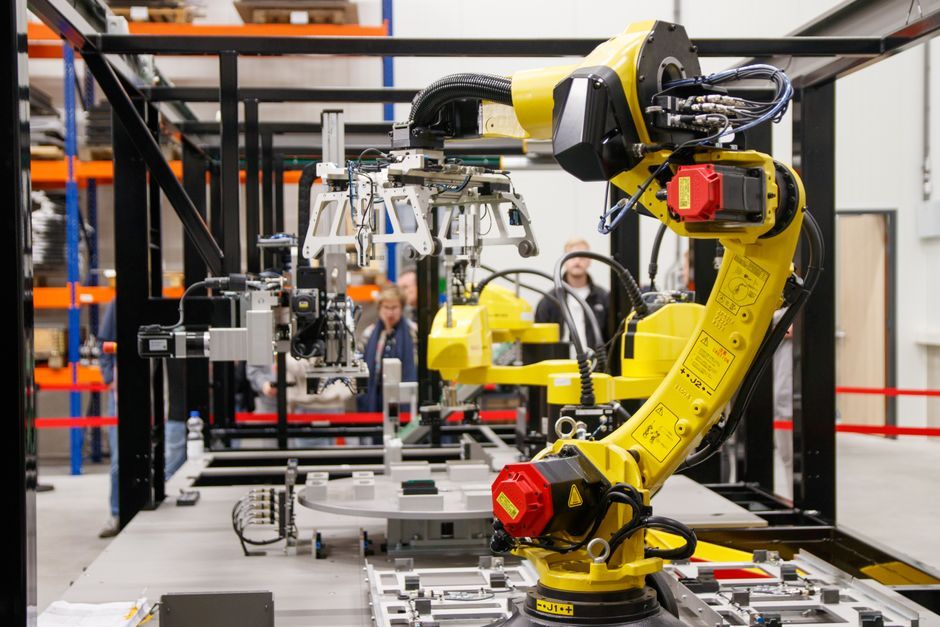
Stock photo for illustration only, not from the actual event
Despite strong overseas sales, the domestic property sector continues to struggle following years of overbuilding and excessive borrowing by private developers. Official figures revealed that property investment plunged by more than 20% in the first nine months compared to the same timeframe last year.
Oxford Economics researcher Sheana Yue pointed out that manufacturing and high-tech exports have effectively driven the nation's economic momentum despite weak domestic investment and retail spending.
"Manufacturing and high-tech exports have boosted China's growth, despite weak investment and domestic spending."
Sheana Yue, Oxford Economics Researcher
Furthermore, escalating trade uncertainties and geopolitical tensions have made Chinese consumers increasingly pessimistic, leading to a reluctance to spend amid slow wage growth and youth unemployment pressures.
China's reliance on AI infrastructure and high-tech manufacturing highlights a strategic shift to bypass domestic consumer weakness. However, heavy spending on AI projects alongside rising regulatory pushback from Western economies regarding cheap manufactured goods poses ongoing global trade risks.
In September, Beijing introduced a comprehensive package of support measures, including lower interest rates for select businesses and property subsidies, aimed at reviving domestic confidence and stabilizing the broader economy.
Source: BBC Business
Found something wrong in this article? Report an issue with this article
Comments
Leave a Comment