

NHS Alliance says UK maternity care is 'not fit for purpose'
NHS Alliance warns small maternity units handling 1,500-2,000 births annually may face closure amid staff shortages and rising C-sections.

Stock photo for illustration only, not from the actual event
- NHS Alliance warns maternity care services in England are currently not fit for purpose
- Proposes consolidating and closing smaller rural and coastal units for better safety
- Emergency caesarean sections now account for one in four births in England
- Government taskforce is set to deliver critical reforms for mothers and families
The NHS Alliance, representing health managers across the UK, has warned that the current system for maternity and neonatal care is not fit for purpose, arguing that difficult decisions lie ahead to consolidate services and ensure safer care for mothers and babies.
According to the organisation, particular pressures are mounting on smaller units located in rural and coastal areas. Those delivering between 1,500 and 2,000 babies each year may need to shut down as these facilities struggle to maintain safe staffing numbers around the clock, including midwives and specialist obstetricians.
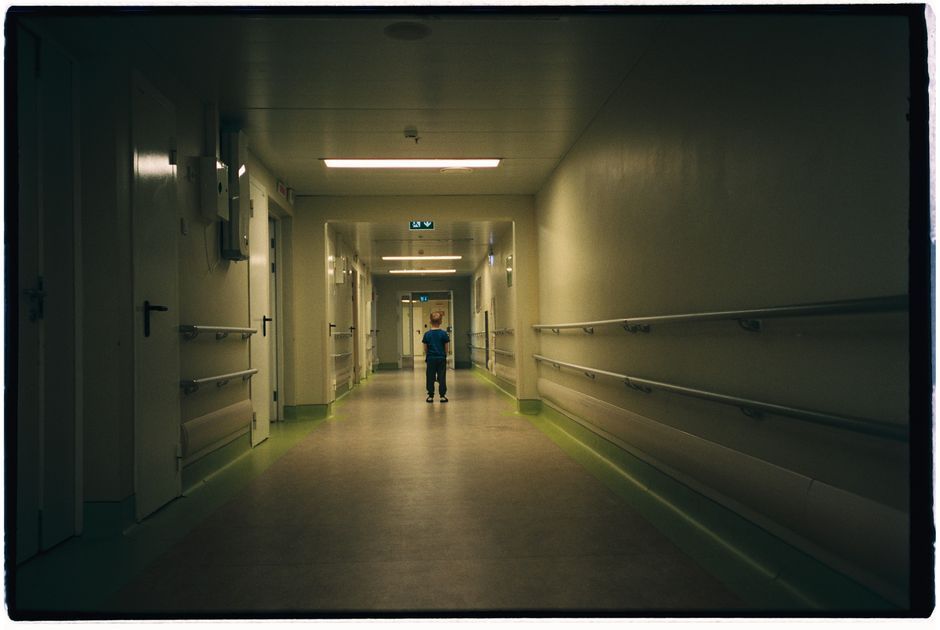
Stock photo for illustration only, not from the actual event
Furthermore, the rising trend of C-sections presents a major operational challenge, compounded by inadequate operating theatres, limited beds, and outdated or decaying buildings that introduce genuine safety risks for patients.
The Department of Health and Social Care responded by stating that every woman deserves safe maternity care and that their established taskforce will deliver the necessary reforms to ensure services meet the needs of women and families now and moving forward.
"It is time now to take a step back and consider how we should best organise maternity services across England, and where those services should be located"
NHS Alliance
This ongoing crisis in UK maternity care highlights deeply rooted structural challenges within the National Health Service (NHS), ranging from chronic underfunding in infrastructure to severe workforce shortages. While consolidating smaller units centralises specialised expertise and resources, it raises significant concerns for rural communities who face lengthy journeys to reach emergency care, presenting policymakers with a difficult balance between clinical safety and geographical accessibility.
The strain on the system mirrors recent disruptions, such as in August when the Royal Devon University Healthcare NHS Foundation Trust temporarily suspended standard birthing services at a hospital in Barnstaple due to staffing constraints. This forced pregnant mothers to undertake a 53-mile journey to Exeter to give birth, drawing sharp criticism and anxiety from local campaigners and affected families.
Source: BBC Health
Found something wrong in this article? Report an issue with this article
Comments
Leave a Comment