

UK Welfare Housing Exploited: Private Firms Cash In
BBC Panorama reveals private companies exploiting the UK supported housing system in Birmingham, drawing millions in taxpayer-funded welfare benefits.

Stock photo for illustration only, not from the actual event
- Private firms are exploiting the UK supported housing system for profits.
- The DWP paid £410m for SEA in Birmingham in the last financial year.
- Vulnerable residents are lured via social media but left without proper care.
A recent investigation by BBC Panorama has uncovered that certain private companies are making massive profits and exploiting the UK social welfare system by collecting housing benefits on behalf of residents while failing to provide the required support.
Property agents have been luring individuals into the taxpayer-funded system using social media videos that offer free rooms, PlayStation consoles, and even holiday trips to entice participants.
The system, known as supported exempt accommodation (SEA), is designed for vulnerable individuals in the UK with additional needs, including former prisoners, people recovering from addiction, and women fleeing domestic abuse, by providing housing alongside care, support, and supervision.
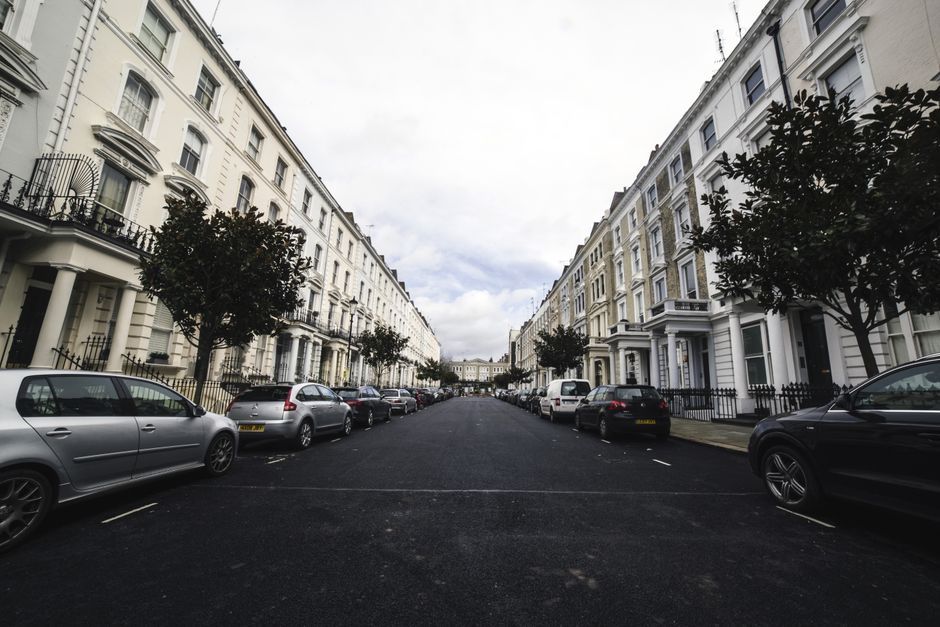
Stock photo for illustration only, not from the actual event
While the system works well for many residents to help them rebuild their lives, charities, politicians, and residents point out that parts of the system are being exploited for commercial gains.
The investigation learned that the Department for Work and Pensions (DWP) paid out £410m for SEA in Birmingham alone during the last financial year. The city serves as the epicentre of the sector, housing more than 34,000 people in SEA, compared to about 22,000 in London despite London's population being more than seven times larger.
The UK's Supported Exempt Accommodation (SEA) framework was originally established with strong social intentions to protect vulnerable demographics. However, regulatory gaps have allowed private operators to inflate rents and capture state subsidies without guaranteeing adequate living standards, highlighting ongoing structural challenges in oversight.
The case of Alysha, who became homeless after escaping a violent marriage, illustrates these systemic flaws. She lived in three different SEA properties, including a shared house managed by Second City Support Ltd. She reported that last December, residents went eight days without heating or hot water when the boiler broke, and she received no employment support.
Financially, Dawson Housing, a not-for-profit registered provider, received £443 a week in housing benefit from the DWP via Birmingham City Council for Alysha's room and support costs, totalling roughly £23,000 a year, while hiring Second City Support Ltd to manage it. Meanwhile, a sister company, Second City Housing Properties, bought the house for £191,000 in 2024 and sold it a year later for £410,000.
Source: BBC Health
Found something wrong in this article? Report an issue with this article
Comments
Leave a Comment