

BBC visits wildfire front in haze-choked Indonesia
Indonesia faces its worst wildfire season in a decade, triggering hazardous air pollution and affecting millions across the region.

Stock photo for illustration only, not from the actual event
- Indonesia is battling its worst wildfire season in a decade, creating toxic haze.
- BBC journalist Liza Tambunan reports live from central Kalimantan amid hazardous air.
- Hundreds of thousands of respiratory illnesses have been linked to the haze.
- Toxic smog has drifted across borders to neighboring Singapore and Malaysia.
Indonesia is currently confronting its most severe wildfire season in ten years, leaving millions of residents gasping for air as toxic haze blankets the region in a thick, choking smog.
Liza Tambunan, a correspondent for the BBC, traveled directly to central Kalimantan to witness the front lines of the disaster, reporting that local air pollution metrics have plunged into hazardous territory.
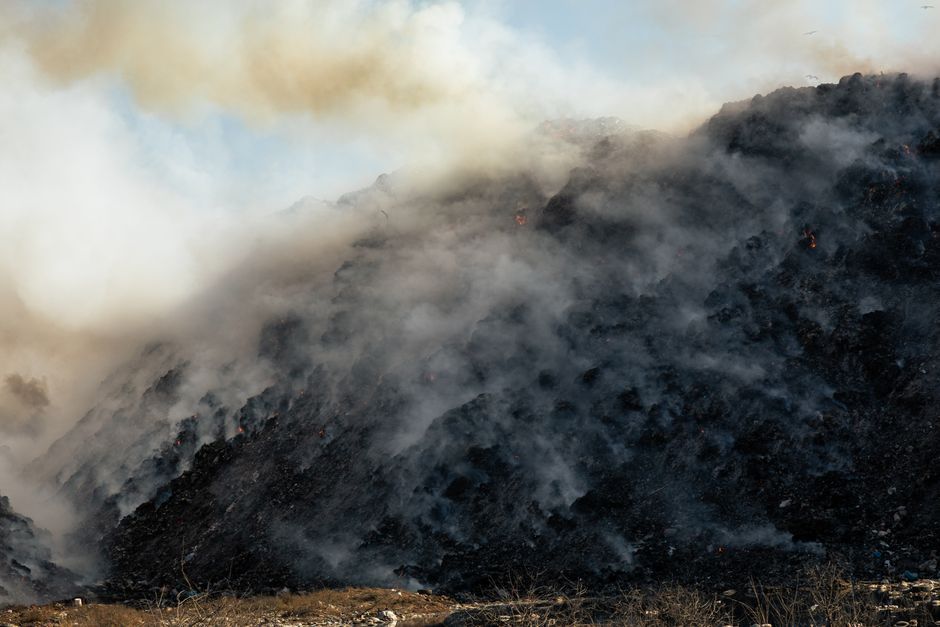
Stock photo for illustration only, not from the actual event
The environmental crisis has taken a severe toll on public health, with hundreds of thousands of respiratory illness cases reported across Indonesia. Furthermore, shifting wind patterns have carried the noxious haze across national borders, impacting neighboring countries such as Singapore and Malaysia.
Cross-border haze from Indonesian wildfires remains a recurring environmental challenge, typically driven by slash-and-burn agricultural practices during the dry season. The persistent smoke not only threatens public health across Southeast Asia but also highlights the ongoing difficulties in enforcing regional fire prevention regulations.
Efforts to extinguish the blazes in remote and peat-rich regions continue to test local authorities, as challenging terrain and dry conditions make firefighting operations exceptionally difficult.
Source: BBC Science & Environment
Found something wrong in this article? Report an issue with this article
Comments
Leave a Comment