

UK Parliament to Debate Troubles Legacy Bill in Commons
UK MPs will debate Labour's Northern Ireland Troubles Bill on Monday, considering hundreds of government amendments.

Stock photo for illustration only, not from the actual event
- UK MPs will debate the Northern Ireland Troubles Bill in the House of Commons on Monday.
- The government has published hundreds of amendments, including attorney general consent for prosecutions.
- The legislation addresses the unresolved legacy of the 30-year conflict that killed over 3,500 people.
- Victims' groups and local parties have raised concerns over political control and state accountability.
The UK House of Commons is set to debate Labour's Northern Ireland Troubles Bill for hours on Monday before MPs vote on a series of proposed legislative changes. The decades-long violent conflict, known as The Troubles, lasted for 30 years and resulted in the deaths of more than 3,500 individuals.
Last week, the government published hundreds of amendments, including a requirement that the attorney general must provide consent for any serious prosecutions related to the Troubles. The legislation seeks to address the unresolved legacy of the conflict, following the introduction of the bill to Parliament over a year ago after a joint framework agreement with the Irish government.
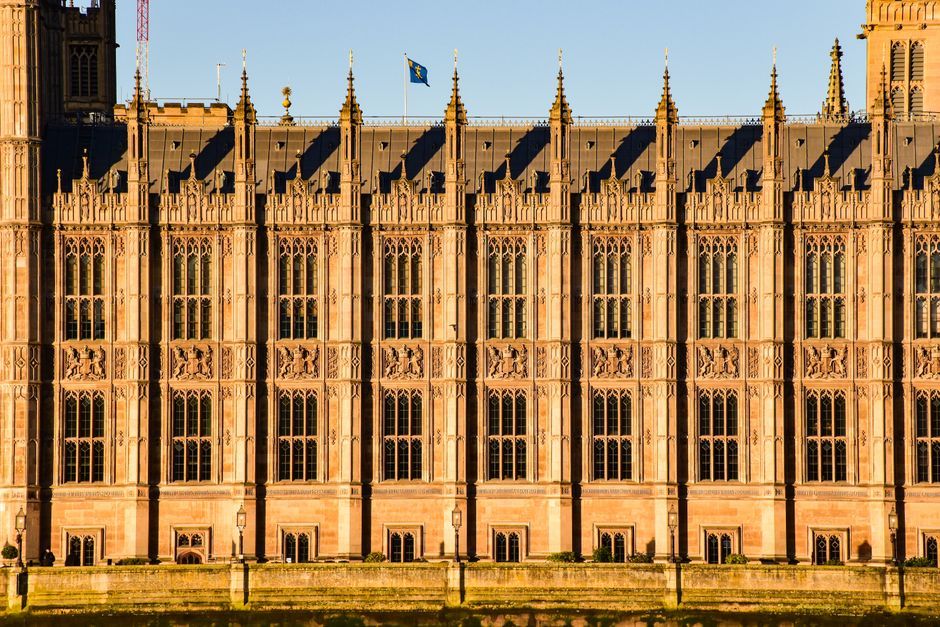
Stock photo for illustration only, not from the actual event
If passed by MPs, the bill will proceed to the House of Lords for further review. Northern Ireland Secretary Sir Chris Bryant defended the proposed changes, stating that the legislation will help provide answers for many families and noting that the attorney general approval requirement was recommended by a recent Westminster committee report.
This bill replaces the previous Conservative government's controversial 2023 Legacy Act, which had banned inquests and offered immunity before being ruled unlawful by courts. Labour's new framework introduces a legacy commission and a separate information recovery body, though it continues to navigate complex debates around prosecutorial independence and state transparency.
"What they want to do is lift it out of a rule of law process and bring it to London and have a political decision."
Mark Thompson, Relatives For Justice
The legislation has met with a mixed response from political parties in Northern Ireland, victims, and veterans' groups. Mark Thompson from the victims' group Relatives For Justice expressed fears that the bill could allow unlawful killings by the state to be covered up, accusing the government of trying to strip control from local courts due to unfavorable rulings.
Meanwhile, family members of victims, such as Natasha Butler whose grandfather was killed by the Army in Belfast in July 1972, emphasized the need to ensure survivors are not sidelined by political maneuvering. Conversely, veterans' representatives have argued that the legislation maintains too narrow a focus regarding former service members.
Source: BBC Politics
Found something wrong in this article? Report an issue with this article
Comments
Leave a Comment