

Walmart's Flipkart builds food delivery app in India
Walmart-owned e-commerce giant Flipkart is testing a food delivery service in Bengaluru, scaling trials to over 8,000 employees ahead of a late October public launch.

Stock photo for illustration only, not from the actual event
- Flipkart is testing a food delivery service with over 8,000 employees in Bengaluru
- The move challenges the dominant food delivery duopoly of Zomato and Swiggy in India
- Proposed restaurant base commission is around 10%, compared to 20-25% from rivals
- The company plans a public launch by the end of October and expansion to 5-6 cities
Flipkart, the Walmart-owned Indian e-commerce giant, is preparing to challenge India's food-delivery duopoly of Zomato and Swiggy, entering a fiercely competitive market that has previously defeated expansion attempts by global tech players like Amazon and Google.
The Bengaluru-based company is actively testing its food-delivery service internally, scaling its trial from a few hundred participants to upwards of 8,000 employees. It has also deployed a dedicated delivery fleet through its logistics subsidiary, Ekart, operating separately from its quick-commerce delivery riders as it builds toward a public rollout.
The employee-only platform surfaces as a dedicated tab inside Flipkart's main shopping application, sitting alongside its Minutes quick-commerce offering and travel booking services. The platform incorporates restaurants sourced through the government-backed ONDC network as well as direct vendor partnerships established by Flipkart.
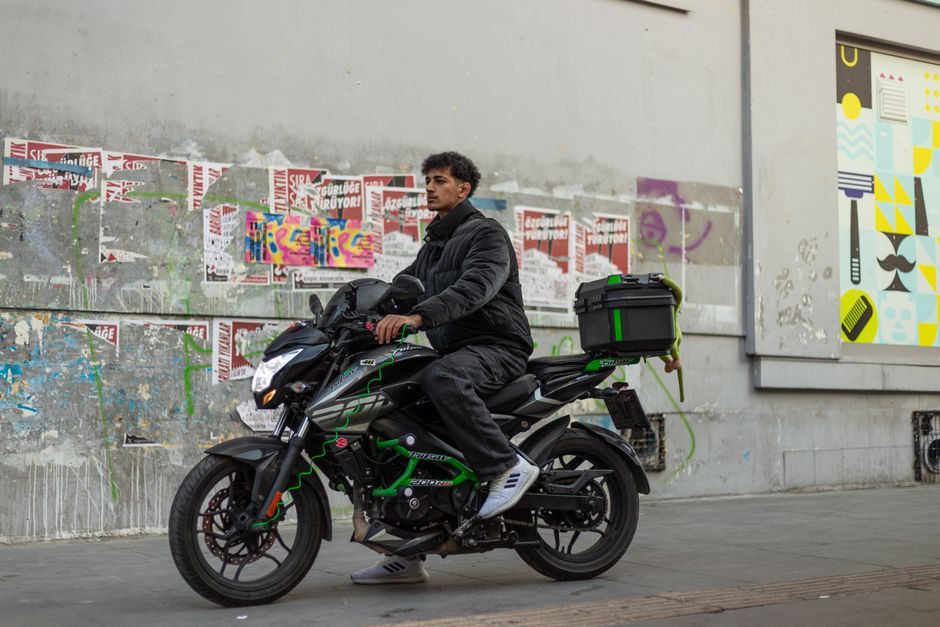
Stock photo for illustration only, not from the actual event
Delivery personnel outfitted in jerseys bearing "Eat-in by Minutes" branding have also been spotted fulfilling test orders across the streets of Bengaluru, the southern Indian technology hub where Flipkart maintains its headquarters.
Flipkart's push into food delivery arrives as brokerage firm Bernstein estimates the market is expanding at an annual rate of 18% to 20%. Online delivery currently represents just over 15% of India's broader food-services sector, while market leaders Zomato (owned by Eternal) and Swiggy collectively serve between 85 million and 95 million paying customers annually.
Unlike market incumbents Zomato and Swiggy, which built their core operations around restaurant meals before branching into quick-commerce, Flipkart is executing the reverse strategy. By leveraging its established e-commerce infrastructure and growing quick-commerce operations as a springboard, the company aims to increase application engagement frequency.
Flipkart is not alone in attempting to disrupt the established food-delivery landscape. Ride-hailing firm Rapido has been expanding Ownly, its zero-commission food-delivery service, while Swiggy has rolled out Toing, a separate application targeted at budget-conscious consumers seeking cheaper meal options.
"Flipkart has proposed a base commission of about 10%, compared with the 20% to 25% that restaurants typically pay Zomato and Swiggy."
Daryani
Daryani, co-founder and CEO of dumpling chain Wow! Momo Foods, noted that restaurants have long sought alternatives to the dominant platforms. Once advertising, discounts, and promotional expenses are calculated, total vendor costs on existing platforms can reach 40% to 50% of an order's value, whereas Flipkart aims to keep total expenses closer to 15% to 16%.
Despite potential cost advantages for merchants, convincing end consumers remains a hurdle. Bernstein estimates new entrants might save customers roughly ₹20 to ₹30 per order through improved efficiency, which may prove insufficient to peel users away from Zomato and Swiggy without aggressive discounting from incumbents.
Flipkart's pilot in Bengaluru is set to scale rapidly. The company has informed restaurant partners of its intention to launch the food-delivery service publicly before the end of October, with plans to expand operations into five or six major Indian cities before the close of the year.
Source: TechCrunch
Found something wrong in this article? Report an issue with this article
Comments
Leave a Comment