

UK Chancellor Rejects Calls to Raise Capital Gains Tax
Chancellor John Healey dismisses calls from Labour MPs to increase Capital Gains Tax in his upcoming Budget, citing fears of an investor exodus.

Stock photo for illustration only, not from the actual event
- UK Chancellor John Healey rules out raising Capital Gains Tax in the Budget.
- Warnings suggest higher taxes could drive wealthy individuals out of the country.
- The government aims to foster wealth creation, confidence, and business investment.
Chancellor of the Exchequer John Healey has officially dismissed calls from several Labour MPs to increase Capital Gains Tax (CGT) ahead of delivering his first Budget next week.
Capital Gains Tax is levied on profits generated from selling assets that have appreciated in value, such as company shares or secondary properties. Prior to Andy Burnham becoming prime minister in July, cabinet ministers Wes Streeting and Louise Haigh had both expressed support for raising the tax.
Capital Gains Tax remains a central debate in UK fiscal policy, balancing wealth redistribution with the need to retain mobile capital and high-net-worth taxpayers. The decision to reject the tax hike underscores the administration's priority on maintaining investor confidence and preventing capital flight in a competitive global economy.
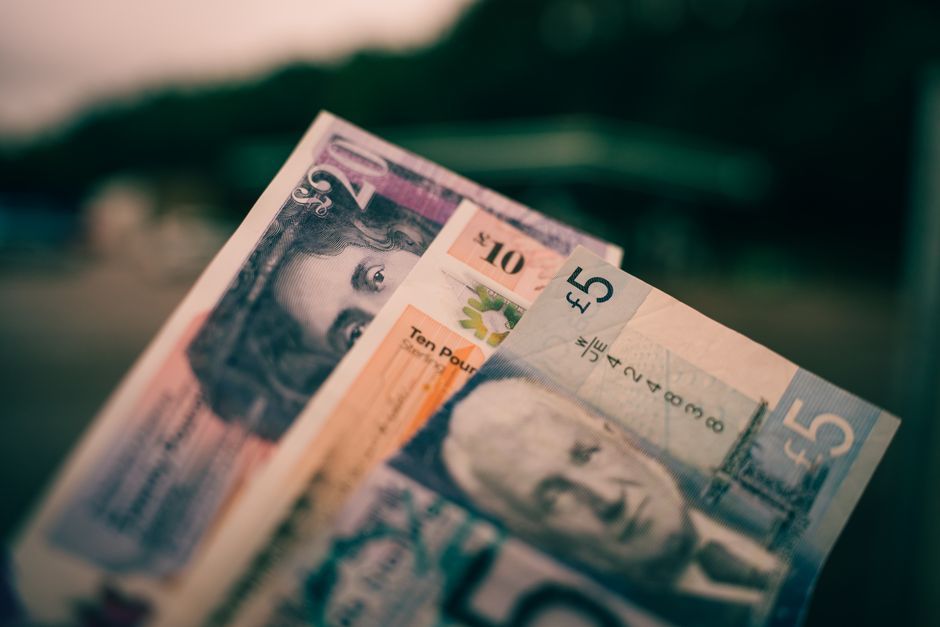
Stock photo for illustration only, not from the actual event
This decision follows warnings reported by The Times newspaper that hiking the tax could ultimately cost the government revenue if affluent individuals chose to leave the country or defer asset sales to avoid the higher rates.
The chancellor has previously signaled his ambition for the UK to become a nation centered on wealth creation, emphasizing that government policies should actively boost confidence, investment, and corporate profit.
Despite these goals, influential figures within the Labour Party had lobbied to equalize CGT with income tax, which typically attracts a higher rate. However, Healey has ruled out leveling the two distinct tax rates, according to the Financial Times.
Source: BBC Business
Found something wrong in this article? Report an issue with this article
Comments
Leave a Comment