

AI Facial Analysis Tool Designed to Help Doctors Gauge Illness
US researchers develop an AI tool that estimates cancer survival and biological age from a single face photo, published in Lancet Digital Health.

Stock photo for illustration only, not from the actual event
- US researchers developed an AI tool to assess patient illness severity from a face photo
- The system was trained on millions of healthy faces and 35,000 cancer patient photos
- Findings were published in the medical journal The Lancet Digital Health
- Researchers emphasize the tool is still in development and not ready for hospital use
Researchers in the United States have developed an artificial intelligence tool that could potentially help physicians judge how ill a patient is by analyzing a single photograph of their face. The system is specifically designed to assist doctors in their evaluations rather than replace human medical judgment.
Trained on millions of healthy facial photographs alongside 35,000 images of cancer patients, the AI model—named FaceSurvival—aims to estimate survival rates by closely examining facial features near the eyes and the bridge of the nose. These preliminary findings have been officially published in the academic journal The Lancet Digital Health.
Lead researcher Dr. Raymond Mak from Mass General Brigham in Boston explained that as the population continues to age, physicians require better methods to evaluate physical reserve and frailty before recommending intensive treatments such as radiation therapy, surgery, or systemic therapy.
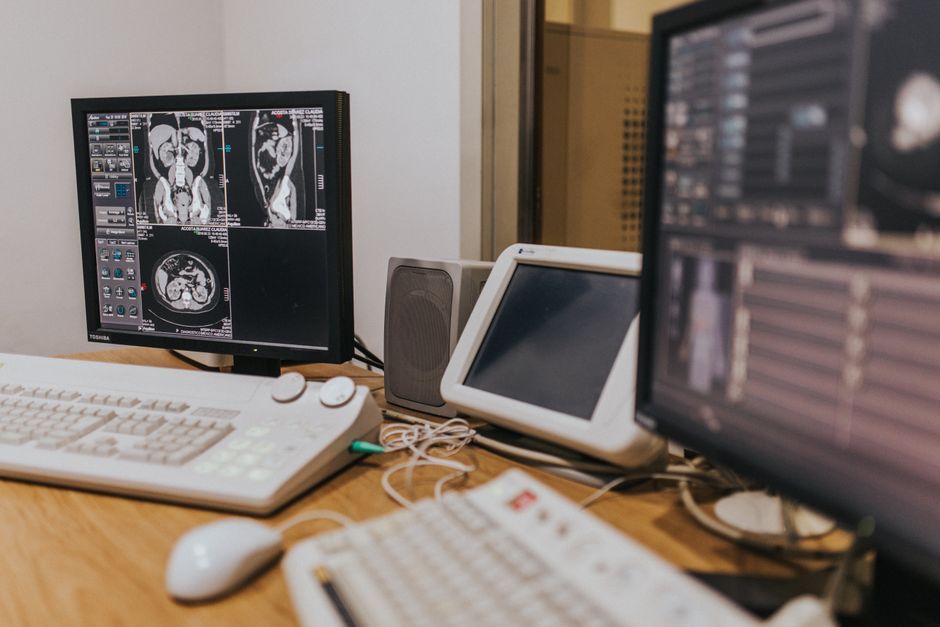
Stock photo for illustration only, not from the actual event
"Our goal is to make face photograph-based health assessment more quantitative, consistent and scalable so it can support personalised treatment decisions rather than replace physician judgment."
Dr. Raymond Mak, Mass General Brigham
Aside from the cancer survival model, Dr. Mak and his colleagues are also evaluating a separate AI tool designed to predict biological age—determining how old an individual appears compared to their chronological birth date. Lifestyle habits such as heavy alcohol consumption, drug use, and smoking can accelerate this aging process.
Predicting biological age and survival outcomes from facial photographs relies on computer vision algorithms detecting subtle physiological markers, such as skin texture changes and tissue alterations that often reflect cellular aging or accumulated systemic stress. While promising, establishing clinical validity requires rigorous testing across diverse demographic groups to mitigate potential algorithmic biases.

Stock photo for illustration only, not from the actual event
Nevertheless, Prof. Miroslaw Bober, an expert in video processing and machine learning at the University of Surrey in the UK, cautioned that any claims suggesting the tool could accurately track aging or lifestyle changes over time would be premature, noting that it represents a promising proof of concept rather than a clinically ready application.
Source: BBC Health
Found something wrong in this article? Report an issue with this article
Comments
Leave a Comment