

Orionid meteor shower 2026: UK peak viewing guide
The Orionid meteor shower from Halley's comet debris peaks on October 22 with 10-20 meteors per hour, despite challenging UK weather conditions.

Stock photo for illustration only, not from the actual event
- Orionid meteor shower peaks in the early hours of October 22, 2026
- Expected viewing rate of 10 to 20 meteors per hour
- Created by debris left behind by Halley's comet in its orbit
- Visible to the naked eye without needing specialist telescopes
Skygazers across the United Kingdom are preparing for a stunning celestial display this week as the Orionid meteor shower reaches its annual climax. Although the meteor stream has remained active throughout most of October, astronomy enthusiasts will have the best opportunity to witness the peak activity during the early hours of October 22, according to Elizabeth Rizzini, Lead Weather Presenter at the BBC.
Under clear skies, observers could spot anywhere between 10 and 20 meteors every hour streaking across the night sky. The Orionids are widely known for their remarkable speed and brilliance, entering Earth's upper atmosphere at velocities of approximately 41 miles per second and frequently leaving behind long glowing trails alongside bright fireballs.
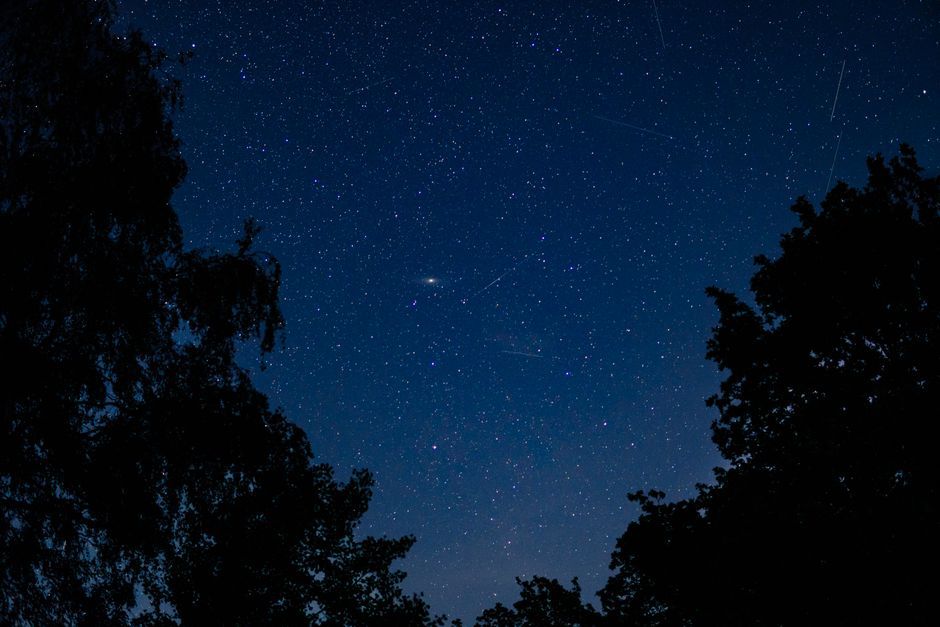
Stock photo for illustration only, not from the actual event
This annual cosmic event is triggered when Earth passes directly through a trail of debris and dust particles shed by Halley's comet during its journey around the Sun. As these fragments enter the atmosphere, atmospheric friction causes them to burn up and create bright streaks of light. To secure the best view, observers should seek out dark locations far away from urban light pollution and allow their eyes roughly 20 minutes to adjust fully to the darkness.
The meteors can be easily appreciated with the naked eye, meaning there is no requirement for specialist equipment like binoculars or telescopes. The shooting stars will appear to radiate outward from the constellation of Orion, positioned near the red supergiant star Betelgeuse. Between midnight and dawn, this constellation climbs higher into the southern and south-western skies, and viewers are advised to look slightly away from the radiant point for optimal visibility.
However, viewing conditions face a significant hurdle this year due to the Moon appearing in a waxing gibbous phase on the night of October 21, which will flood the night sky with extra light and hinder visibility. Fortunately, conditions are expected to improve significantly once the Moon sets around 03:00 BST on Thursday morning. Weather patterns also present a challenge, as a strengthening jet stream pushes low pressure systems across the UK, making this week one of the wettest and windiest periods of the autumn season so far.
When observing major meteor showers like the Orionids, atmospheric stability and cloud cover remain the most critical variables determining success. Seasonal shifts in the jet stream frequently bring unpredictable wet fronts across northern European latitudes during late October, making real-time weather tracking essential for finding clear viewing windows.
While Wednesday is projected to stay wet and windy across numerous regions, a brief ridge of high pressure could offer a window of clear spells for large parts of England, Wales, and Northern Ireland during the second half of the night through Thursday morning. Western Scotland might also experience temporary clear skies, whereas eastern Scotland and the far southern coast of England are expected to contend with lingering cloud cover and rain.
Source: BBC Science & Environment
Found something wrong in this article? Report an issue with this article
Comments
Leave a Comment