

What Boston and Iceland Learned From Peak Tourism in 2026
At the Skift Transatlantic Summit in Dublin, Boston and Iceland shared lessons from hosting major events during peak season 2026.

Stock photo for illustration only, not from the actual event
- Boston and Iceland hosted major 2026 events during peak season without seeing occupancy gains.
- Boston leveraged media coverage into a strategic partnership with VisitScotland.
- Iceland emphasized that maintaining resident trust is a critical long-term challenge.
- Both destinations prioritized tourist timing and pacing over sheer visitor volume.
Live tourism has become a major force in the travel industry, with one in five travelers planning trips around live events and experiences. When destinations and travel companies evaluate high-profile events, they typically focus on increased footfall. However, when events coincide with peak tourism seasons, destinations must redefine how they measure success.
During the summer of 2026, Boston hosted seven FIFA World Cup matches alongside America 250 and Tall Ships celebrations in June and July, aligning with the city's busiest months. Iceland did not have ticketed events drawing visitors, but sat directly in the path of a total solar eclipse in mid-August, resulting in an already sold-out season for the country.
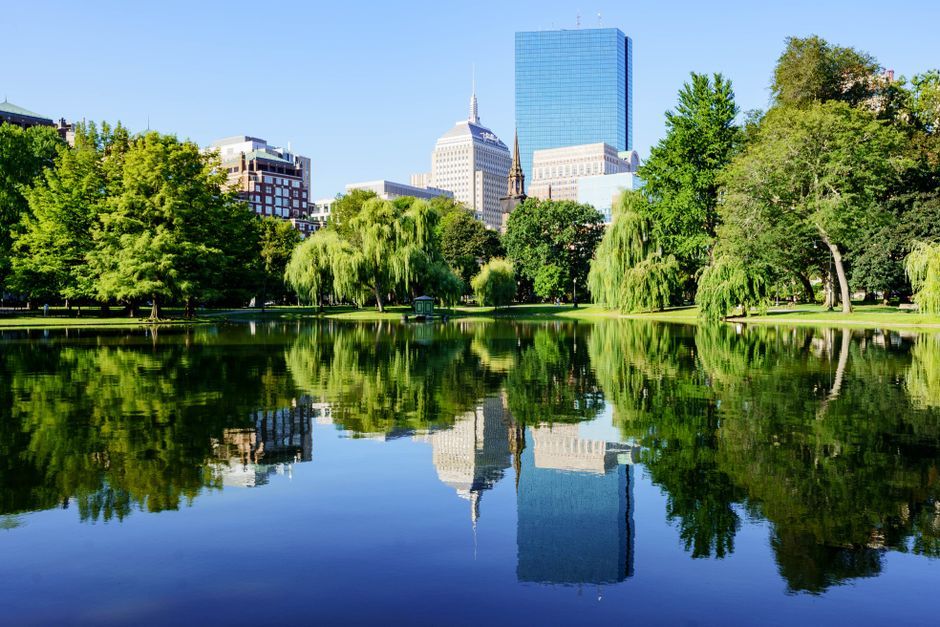
Stock photo for illustration only, not from the actual event
Lindsay Milne Grant of Meet Boston and Arnar Már Ólafsson of the Icelandic Tourist Board spoke at the Skift Transatlantic Summit in Dublin on October 15, 2026, noting that peak-season events cannot deliver the traditional visitor volume growth destinations usually expect. Boston added no new hotel supply for the World Cup, and Iceland's accommodations were booked out far in advance.
"In terms of occupancy, we really didn't have an opportunity to boost numbers."
Lindsay Milne Grant, Meet Boston
Nevertheless, the payoff materialized elsewhere. Grant stated that earned media was the biggest win, noting that coverage of Scottish fans sparked a partnership with VisitScotland, a Glasgow sister-city relationship, and a planned Tartan Week in Boston for the following spring.
The experiences of Boston and Iceland highlight a fundamental shift in destination strategy: moving away from volume-based metrics toward value-driven measures like visitor spend and earned media. As host cities face hard supply ceilings—such as fixed hotel inventories that cannot expand instantly—managing seasonal friction and tourist timing proves far more sustainable than pursuing unconstrained visitor growth.
Both destinations also encountered downsides. Boston attractions experienced softer attendance numbers as regular visitors stayed away to avoid anticipated crowds. Meanwhile, Arnar Már Ólafsson warned that in Iceland, the real risk lies in eroding residents' confidence, which takes a considerable amount of time to rebuild.
When asked to choose between attracting more visitors or better-timed visitors in 2027, both representatives opted for timing.
Source: Skift
Found something wrong in this article? Report an issue with this article
Comments
Leave a Comment