

Cabinet Approves 10B Baht Flood Relief & E-Waste Crackdown
Thai cabinet approves over 10.5 billion baht to aid 1.48 million flood-affected households while ordering strict customs controls on e-waste imports.

Stock photo for illustration only, not from the actual event
- Cabinet approves 10,508.87 million baht from central funds to assist 1,481,401 flood victims in 2026.
- The Prime Minister orders customs authorities to strictly inspect containers and block illegal e-waste smuggling.
- Industry Minister Varawut vows legal action against illegal recycling plants and stricter plastic scrap controls.
- The Ministry of Finance partners with 7 state-owned banks to offer debt moratoriums and 0% interest loans.
The Thai Cabinet has officially approved an additional central budget allocation of 10,508,876,400 baht from the fiscal year 2027 contingency fund to provide emergency relief for citizens affected by the 2026 rainy season floods. The financial aid will cover 1,481,401 households, with the Department of Disaster Prevention and Mitigation (DDPM) designated as the main agency distributing funds through the Government Savings Bank, alongside provisions allowing cross-province and cross-item budget allocations.
Prime Minister and Minister of the Interior Anutin Charnvirakul addressed criticism regarding the government's financial planning, explaining that disaster relief procedures legally require preliminary damage surveys and verifications before cabinet submission. He clarified that disaster funds are drawn from central reserves rather than routine budgets, noting that the remaining 4,700 million baht from 2026 was intentionally retained instead of being returned to the Ministry of Finance to accelerate flood relief payouts.
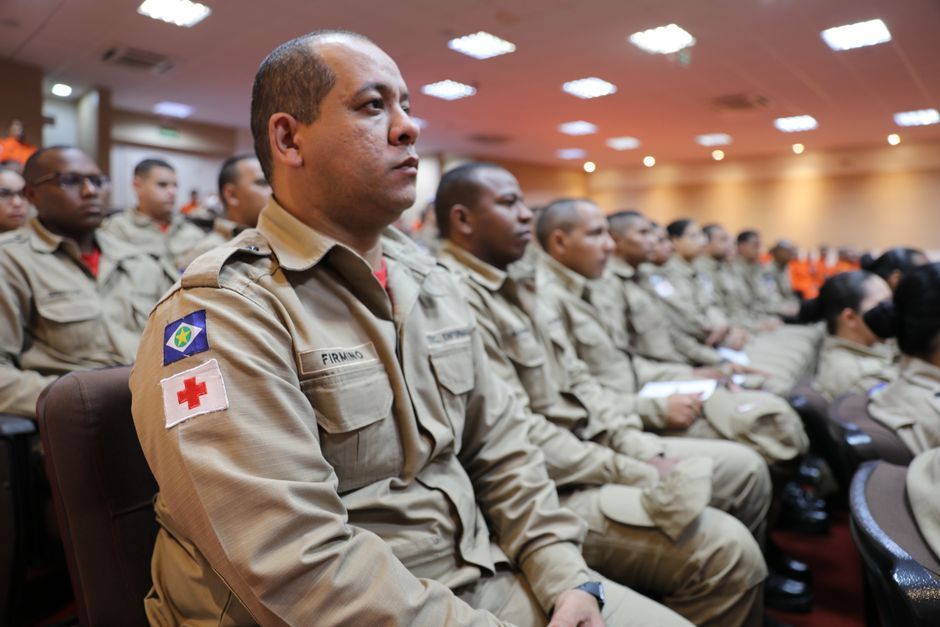
Stock photo for illustration only, not from the actual event
Government Spokesperson Ekapop Pianpisal announced that Prime Minister Anutin has issued directives to eradicate toxic waste and unauthorized electronic waste imports. The Customs Department has been instructed to crack down on ships and cargo containers suspected of smuggling contraband. Furthermore, Deputy Prime Minister and Minister of Commerce Supajayee Suthipongchai, serving as chair of the Thai Industrial Committee, has been tasked with spearheading efforts alongside relevant ministries to tackle hazardous industrial waste.
"Those who claim there was no plan fail to understand that a disaster must occur first before surveys can be conducted, verified, and submitted to the Cabinet. These funds do not come from routine budgets but from the Prime Minister's central reserve."
Anutin Charnvirakul
Minister of Industry Varawut Silpa-archa rejected media claims suggesting he was helpless following an inspection of an unauthorized e-waste recycling facility in Prachinburi province. He emphasized that the situation discovered on-site was deeply concerning and demanded urgent intervention. Inspections revealed foreign nationals involved with questionable identification documents, prompting financial investigations, asset seizures, and legal action. Varawut added that plastic scrap import regulations will be tightened, and provincial industrial offices nationwide have been ordered to inspect over 3,000 type-105 and type-106 factories.
The smuggling of hazardous electronic waste has long posed a systemic challenge in Thailand due to regulatory loopholes and front companies operating illegal recycling facilities. The government's multi-agency approach—coordinating the Ministry of Industry and Customs authorities to trace financial trails and revoke licenses—represents a critical step toward dismantling transnational waste networks that threaten local ecosystems and public health.
Meanwhile, the Ministry of Finance unveiled comprehensive flood relief and rehabilitation packages for 2026. Seven state-owned financial institutions will implement debt moratoriums on both principal and interest ranging from three months to one year. Additionally, specialized low-interest loans—starting at 0% to 1.99%—will support housing repairs, agricultural liquidity, and working capital for small and medium-sized enterprises (SMEs) affected by the disaster.
Source: Matichon Politics
Found something wrong in this article? Report an issue with this article
Comments
Leave a Comment