

World Bank Group Annual Meetings 2026: Ajay Banga's Vision
World Bank President Ajay Banga outlines a 50-year development vision, highlighting 1.2 billion youth entering the workforce and an 800 million jobs gap.

Stock photo for illustration only, not from the actual event
- World Bank President Ajay Banga shares a 50-year global development vision
- 1.2 billion young people will enter the workforce over the next decade
- The global economy faces an estimated jobs gap of 800 million positions
- Private capital mobilization surged to 112 billion USD in the past year
World Bank Group President Ajay Banga delivered a keynote address to finance ministers and global leaders at the IMF–World Bank Group Annual Meetings 2026, presenting a long-term development vision spanning the next 50 years. His address emphasized the necessity of adapting economic strategies to current global realities, marked by budgetary constraints and rising debt burdens.
Annual meetings have historically served as chapters of institutional transformation, moving from the foundational mandate set in Marrakesh to governance reforms in 2024 and job creation in 2025. The 2026 meetings synthesized these efforts to showcase the tangible results of a three-year institutional overhaul.
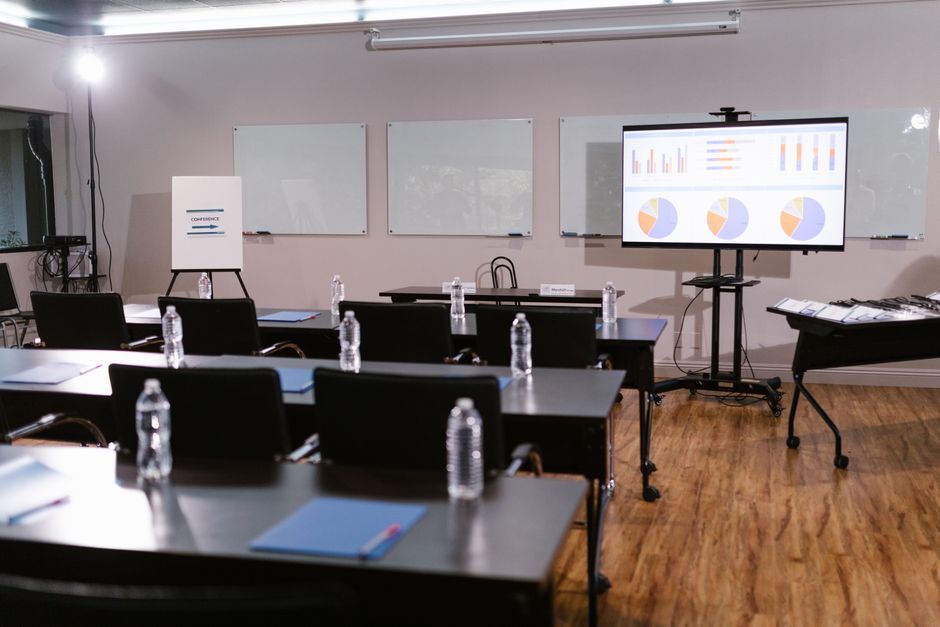
Stock photo for illustration only, not from the actual event
The global landscape continues to face significant headwinds, including ongoing geopolitical conflicts, limited fiscal space, elevated debt levels, and persistent costs for essential goods from energy to fertilizers, alongside a monumental demographic shift.
Over the next 10 to 15 years, 1.2 billion young people will enter the workforce, while projected job creation stands at roughly 400 million positions. This dynamic creates an employment gap of approximately 800 million jobs, representing real individuals seeking economic opportunity and dignity.
“Jobs are not just a statistic. Jobs are dignity.”
Ajay Banga
In terms of financial mobilization, the World Bank has demonstrated substantial progress. Private capital mobilization grew from approximately 35 billion USD in fiscal year 2022 to 112 billion USD this past year, representing a threefold increase when combined with self-generated funds.
This strategy reflects a structural shift away from traditional aid dependence toward a blended finance model that leverages public funds to de-risk investments and crowd in private capital, fostering sustainable economic self-reliance for developing nations.
The future of development relies on harmonizing public finance, private investment, public goods support, and technology tailored to country-specific demands, ensuring that the projected employment gap remains a prediction rather than an inevitable future.
Source: Techsauce
Found something wrong in this article? Report an issue with this article
Comments
Leave a Comment