

Beware of These iPhone Duo Preorder Scams
Warning over iPhone Duo preorder scams featuring malware-laden web pages and unauthorized credit card charges, plus safety tips.

Stock photo for illustration only, not from the actual event
- Scammers are exploiting high demand for Apple's iPhone Duo preorders.
- Fraudulent preorder sites can deploy malware via the DarkSword exploit chain instantly.
- Shoppers in Hong Kong reported unauthorized Apple transactions on bank statements.
- Always use official preorder channels and monitor financial statements closely.
The preorder launch for the iPhone Duo last week drew massive demand, resulting in quick sellouts and delayed delivery estimates. Naturally, scammers are capitalizing on the rush to secure Apple's newest foldable device, meaning anyone in the market for a new gadget should stay alert for warning signs of compromise.
Shortly after the iPhone Duo was announced, threat actors launched fake preorder pages designed to mimic Apple's official website while secretly delivering malicious payloads to visitor devices. Malwarebytes highlighted in late September that these pages lured victims with promises of a $500 voucher and AppleCare+ coverage in exchange for contact details. However, submitting the form is not actually where the trap lies; simply opening the web page initiates an attack leveraging the DarkSword exploit chain to bypass iPhone security protections and access crypto wallets, messages, contacts, emails, calendar entries, and location data.
Browser-based exploit chains like DarkSword highlight how modern cyber threats have evolved far beyond traditional phishing forms. Users can be compromised simply by visiting a malicious link without needing to download any files. Keeping your operating system updated to the latest version remains a vital defense, as security patches constantly work to seal these critical vulnerabilities.
This particular scam began several weeks ago, appearing to target iPhones running iOS 18.4 to 18.6.2 specifically. Apple has noted that devices running the latest iOS versions 15 through 26 are protected against this exploit, meaning minimal risk if your device is fully updated. Nevertheless, beware of websites or social media posts promising faster or cheaper iPhone Duo access, as these are almost certainly schemes designed to steal information or install malware. Official preorder sources include Apple's official website, the Apple Store app, and major cell carriers.
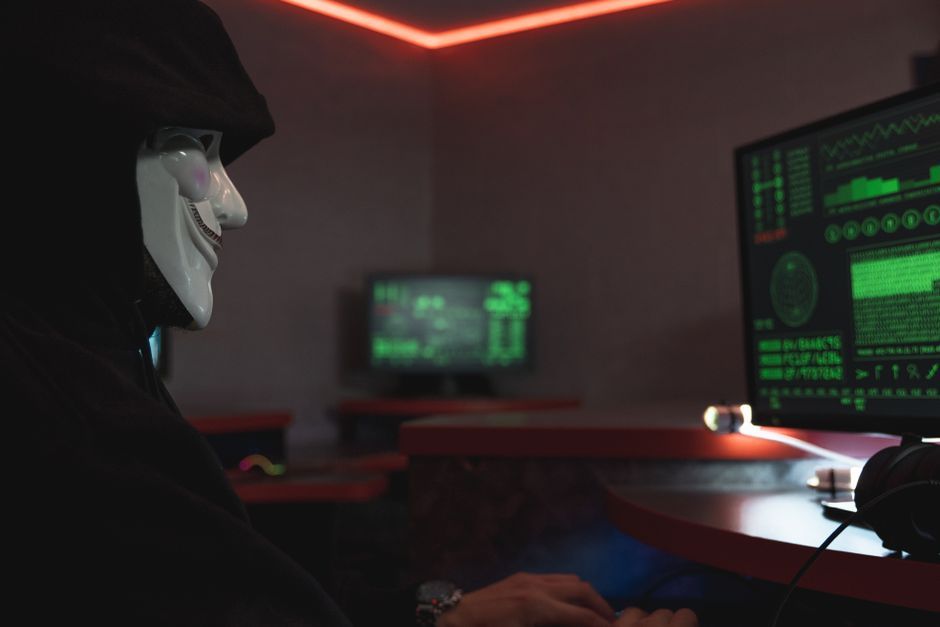
Stock photo for illustration only, not from the actual event
Another scheme to watch out for involves fraudulent charges for an iPhone Duo you never purchased. News outlets in Hong Kong have reported that shoppers are noticing transactions from Apple appear on their bank and credit card statements even though they made no attempt to buy the device since preorders opened. This likely stems from bad actors who harvested credit card details via phishing or data breaches and are now misusing them for unauthorized purchases.
While this specific scheme does not appear widespread yet, financial statements and accounts should be checked regularly due to persistent data theft vulnerabilities. Any unrecognized or duplicate charges should be reported to your bank or card issuer immediately using contact details found within trusted apps or client portals.
Scammers may also escalate threats by contacting you directly regarding supposedly suspicious transactions, claiming they can resolve the issue if you provide personal details or account credentials. Regarding the iPhone Duo specifically, bad actors might pose as Apple or a carrier asking you to verify order details to prevent cancellation. As always, any communication driven by fear and urgency is a major red flag. When in doubt, hang up and call back directly through official channels.
Source: Lifehacker
Found something wrong in this article? Report an issue with this article
Comments
Leave a Comment