

Burnham proposes plan to cut standing charges from gas bills
Prime Minister Andy Burnham asks ministers to develop a plan to remove standing charges from gas bills to help low-income households.

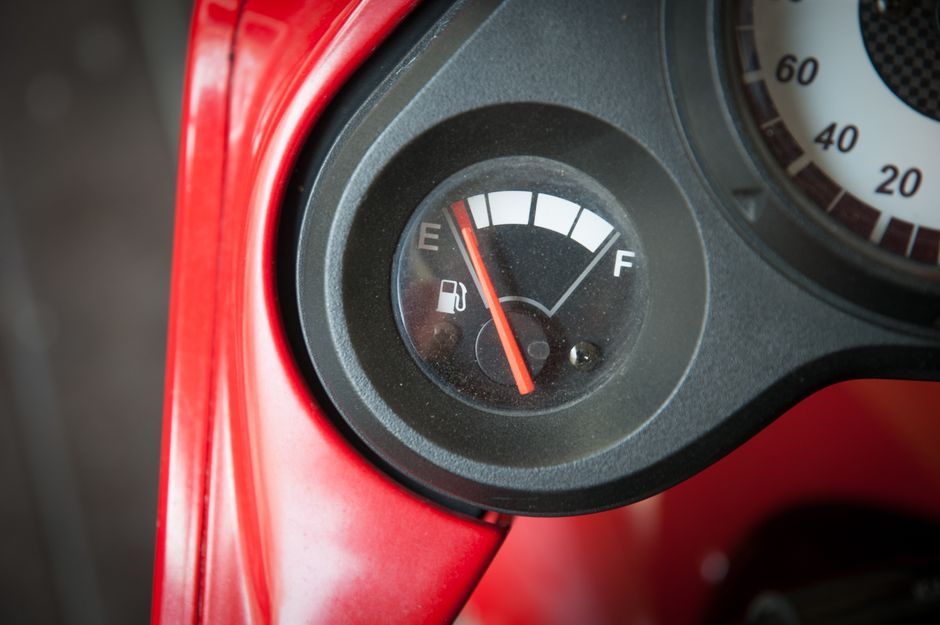
Stock photo for illustration only, not from the actual event
- PM Andy Burnham asks ministers to plan gas standing charge removal
- Nesta research foundation estimates a £27 saving on typical annual bills
- Low users benefit while heavy users may face higher unit costs
- Energy UK highlights that reallocation method determines bill impact
Prime Minister Andy Burnham has requested ministers to formulate a strategy aimed at eliminating standing charges from household gas bills. These fixed daily fees cover the operational expenses of connecting properties to a supply network, varying by region, and must be paid by households regardless of whether any energy is actively consumed.
Industry body Energy UK stated that whether these proposed modifications would meaningfully alter final bills depends entirely on how and where the associated charges are reallocated across the billing structure.
Meanwhile, the influential research foundation Nesta argued that the shift would constitute a progressive measure aiding low-income earners, potentially knocking £27 off a typical annual bill. The Prime Minister noted he instructed Chancellor John Healey and Energy Secretary Miatta Fahnbulleh to investigate removing these charges and report back promptly.
Stock photo for illustration only, not from the actual event
"Abolishing the gas standing charge and moving those costs onto the unit rate would help those worst hit by rising energy prices."
Madeleine Gabriel, Director of Sustainable Future at Nesta
Although specific details regarding practical implementation remain absent, Nesta suggested shifting the costs to the unit rate so consumers pay strictly for their usage. This approach would favor low-volume consumers, though heavy energy users could ultimately incur higher expenses.
Background context: Standing charges in the UK energy framework fund vital infrastructure maintenance, pipe transport networks, and support schemes for vulnerable populations. Dismantling these fixed fees requires careful financial restructuring to ensure network reliability and prevent unintended financial burdens on specific consumer segments.
Regulatory body Ofgem has spent nearly two years holding consultations and running low standing charge tariff pilots without reaching definitive conclusions, while average charges sit at 54.8p daily for electricity and 29.7p daily for gas. Citizens Advice has warned that vulnerable consumers with high energy needs and low incomes could face negative consequences from such reforms.
Source: BBC Politics
Found something wrong in this article? Report an issue with this article
Comments
Leave a Comment