

Jackdaw gas field in North Sea: Impact on energy bills
Government approves drilling at Jackdaw gas field 150 miles from Aberdeen, projected to meet about 1.6% of national gas demand from 2026 to 2036.

Stock photo for illustration only, not from the actual event
- Government approves drilling at the Jackdaw gas field in the North Sea following legal delays.
- Jackdaw holds an estimated 10 million cubic metres of recoverable gas, meeting 1.6% of demand.
- Analysts note gas is sold at pan-European market prices, leaving household bills largely unaffected.
- Operators estimate the project will support around 500 jobs, including 27 direct platform roles.
The UK government has approved drilling at the Jackdaw gas field in the North Sea. The decision, which follows years of debate and legal challenges, paves the way for gas extraction to feed into Britain's gas network within weeks.
BBC Verify has examined the implications for energy bills, energy security, and the environment. Jackdaw is located 150 miles (241.4km) east of Aberdeen and is owned by Adura Energy, a joint venture equally owned by Shell and Equinor.
Originally approved four years ago but stalled by legal delays, the site's owners estimate Jackdaw contains around 10 million cubic metres of recoverable gas. Official forecasts suggest the field has the potential to meet approximately 1.6% of total projected national gas demand between 2026 and 2036, operating for the next 11 years.
Regarding current supplies, roughly half of the UK's natural gas comes from existing North Sea fields pumped via pipelines. The remainder consists of imports, primarily from Norway via separate pipelines alongside an increasing reliance on Liquefied Natural Gas (LNG) shipments from the US, which accounted for a quarter of imports in 2025.
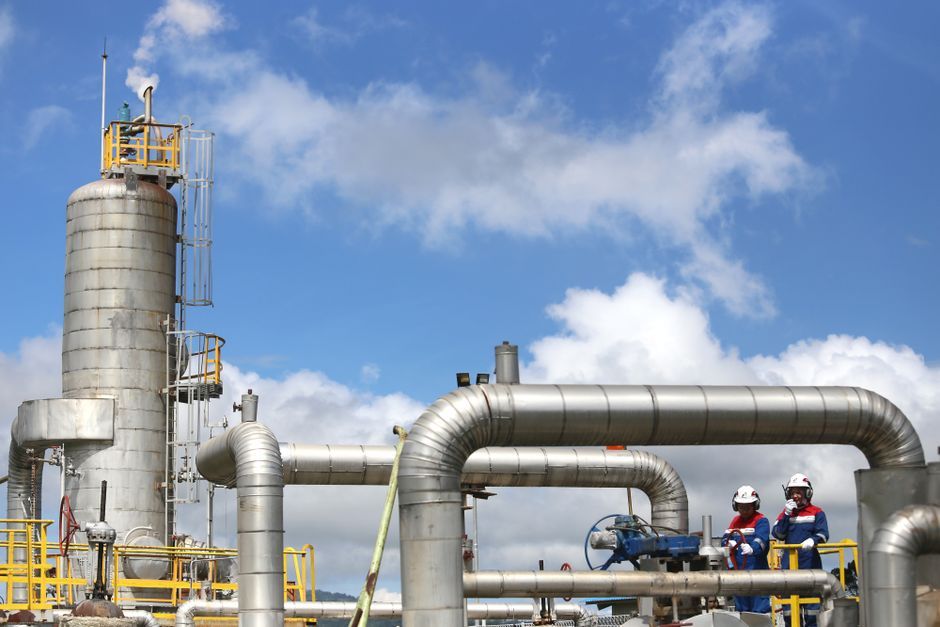
Stock photo for illustration only, not from the actual event
Energy analysts do not expect Jackdaw's additional production to significantly lower household energy bills. This is because Great Britain's gas market is integrated with European markets via undersea pipelines, meaning prices are set at a pan-European level determined by continental demand.
"North Sea oil and gas are sold at market prices rather than reserved for British consumers at a discount."
BBC Science & Environment
From an energy economics perspective, the physical integration of the UK's gas network with continental Europe via pipelines ties domestic supply directly to wider market pricing. Even with new domestic extraction, prices remain anchored to broader European trends shaped by international geopolitical factors, such as conflicts in Ukraine and Iran affecting global supplies.
On energy security, experts remain divided. Proponents argue that having UK-controlled pipeline gas from Jackdaw is a valuable backup if foreign LNG shipments are disrupted, especially given questions over US export reliability. Conversely, critics argue the field will not fundamentally alter security since the nation remains heavily dependent on imports.
Environmental arguments highlight that domestic North Sea production generates lower carbon emissions than US LNG imports. The NSTA estimates that producing, delivering, and processing US LNG creates roughly three times the emissions of North Sea gas due to the energy-intensive liquefaction and shipping processes.
Source: BBC Science & Environment
Found something wrong in this article? Report an issue with this article
Comments
Leave a Comment