

Websites taken down worldwide as critical cyber-security update issued
Governments and agencies worldwide urge websites to go offline following the discovery of critical security flaws in the PHP programming language on October 21, 2026.

Stock photo for illustration only, not from the actual event
- Critical security vulnerabilities discovered in the widely used PHP programming language.
- Advanced AI models helped uncover the flaws which remained hidden for over a decade.
- Global government bodies including Finland and the Netherlands took websites offline.
- Organizations unable to apply patches immediately were advised to shut down systems.
Numerous websites worldwide have been taken offline after security agencies and governments issued urgent warnings regarding critical vulnerabilities discovered within the PHP programming language, which powers a major portion of the internet. The issues came to light on October 21, 2026, prompting an immediate scramble for patches.
Due to the severity of the flaws, multiple cyber-security agencies urged organizations unable to apply fixes in time to consider taking their sites down. This led high-profile bodies and governments, including the Finnish government, the Dutch cyber agency, Edinburgh council, and Wikimedia Foundation, to temporarily suspend their public web services.
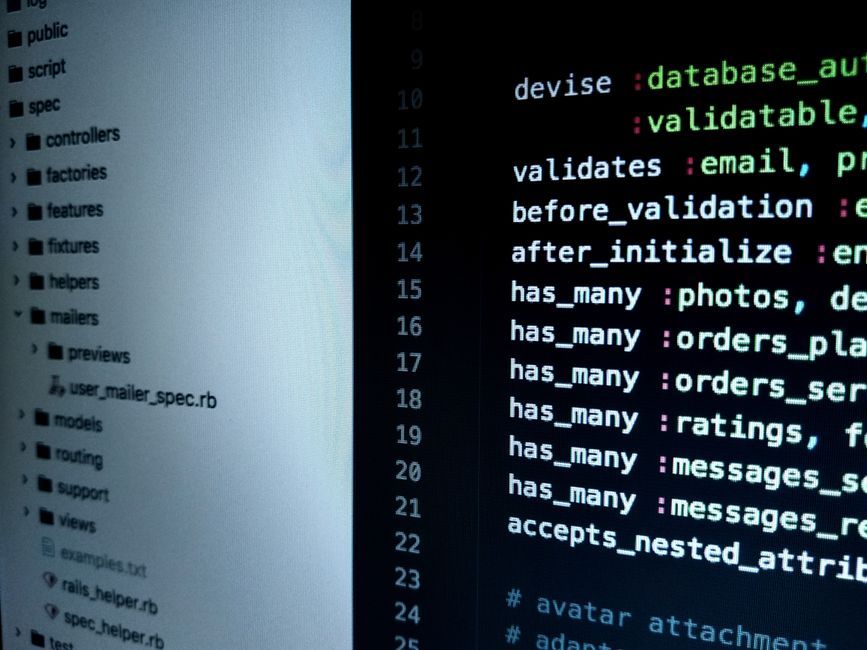
Stock photo for illustration only, not from the actual event
The vulnerabilities were discovered with the help of artificial intelligence, with security firm Wiz describing them as the most severe flaws ever found by the technology. The discovery stemmed from OpenAI's Patch the Planet program, which gave firms like Calif and the PHP Foundation access to advanced AI tools to audit web development languages.
The fallout quickly escalated as international bodies responded. The US National Security Agency advised organizations via X to take systems offline if unpatched, while Japanese Prime Minister Sanae Takaichi urged web administrators to check for PHP usage. The rapid discovery of decade-old vulnerabilities by AI models highlights a profound shift in cybersecurity, where automated frontier models can drastically compress the timeline for finding complex software flaws, altering the balance between defenders and attackers.
"Frontier models were critical to making this process practical, enabling us to develop and adapt working exploits across multiple applications in hours"
Wiz
Although the PHP Foundation originally intended to release its findings later in the month alongside a complete patch, details leaked on social media on Tuesday, forcing an emergency disclosure. Security experts warned that the immediate challenge lies not just in applying patches, but in uncovering every hidden instance of PHP running across complex infrastructure.
Source: BBC Business
Found something wrong in this article? Report an issue with this article
Comments
Leave a Comment